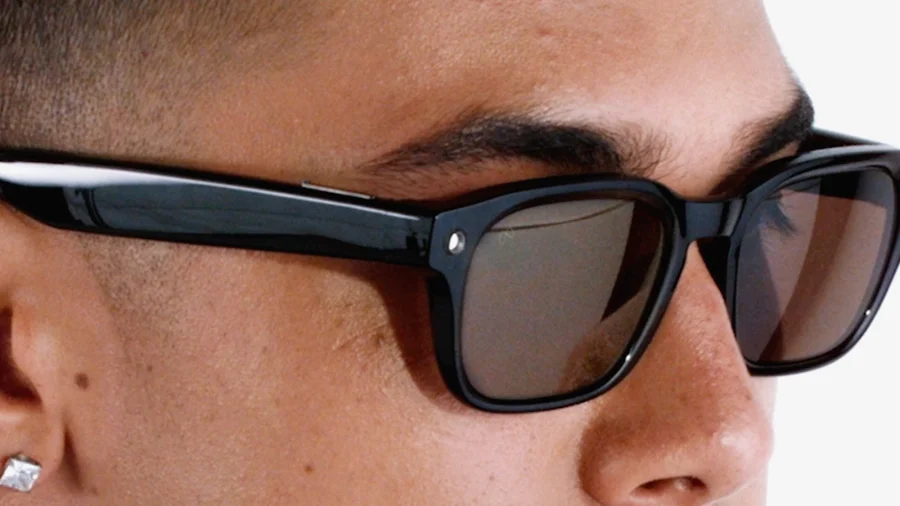
Imagine walking into a café, a gym, or a public restroom, and wondering if the person next to you is recording you without your knowledge. That fear has haunted the rollout of smart glasses since Google Glass first stumbled into the public eye. Now, Meta is taking a decisive step to address it: if you tamper with the recording LED on its Ray-Ban Meta glasses, the camera will simply stop working.
What Meta’s New Privacy Policy Actually Says
In a quietly updated FAQ, Meta confirmed that the small white LED on the Ray-Ban Meta glasses is not just a polite suggestion — it is a mandatory privacy feature. “The LED light on Ray-Ban Meta glasses cannot be disabled for video recording as it is a privacy feature to indicate that the camera is in use,” the company states. The consequence for tampering is clear: the camera will be disabled entirely. This means any physical attempt to remove, cover, or otherwise disable the LED will render the glasses incapable of recording video.
Why This Privacy Feature Matters Right Now
The update comes amid growing public unease about wearable cameras. Unlike a smartphone, which is held up and obvious, smart glasses can record discreetly. The LED is the only visible cue that recording is happening. Without it, the glasses become a potential tool for covert surveillance — in changing rooms, schools, offices, or even on public transport. Meta’s move is an attempt to preserve trust in a product category that has always been one bad headline away from being banned in public spaces.
How We Got Here: The Privacy Debate Around Smart Glasses
The tension between wearable cameras and privacy is not new. Google Glass faced widespread backlash in the early 2010s, with bars, casinos, and even movie theaters banning the device. The core issue was always the same: how do you know when someone is recording? Meta’s Ray-Ban glasses, launched in 2023, inherited this baggage. While the company included a recording LED from the start, online tutorials quickly emerged showing how to disable or cover it. This FAQ update is Meta’s formal response to that workaround.
Who Is Affected by This Change
For the vast majority of users — people who simply want to capture a sunset, a family moment, or a hands-free video call — nothing changes. The LED remains on during recording, and the camera works as expected. The impact falls on a small but vocal minority: those who deliberately sought to disable the light for covert recording. For them, the glasses are now effectively a pair of stylish sunglasses with no camera functionality. Privacy advocates and civil liberties groups are likely to welcome the move as a necessary safeguard.
Meta’s Official Stance and What It Means
Meta has not issued a separate press release or public statement beyond the FAQ update. The company’s position is that the LED is a non-negotiable privacy indicator. By tying camera functionality directly to the integrity of the LED, Meta is sending a clear signal: it will not allow its hardware to be repurposed for secret recording. This is a rare instance of a tech company proactively limiting its own product’s capabilities in the name of user privacy and public trust.
How the Tamper Detection Works — What We Know and What We Don’t
Meta has not disclosed the exact technical mechanism that detects tampering. It could be a simple electrical circuit that breaks when the LED is removed, or a more sophisticated sensor that detects changes in light or current. What is clear is that the detection is hardware-level, not just a software toggle. This means that even technically savvy users cannot bypass it by modifying the software alone. However, the company has not confirmed whether the detection applies to covering the LED with tape or paint, or only to physical removal. This ambiguity leaves room for future clarification.
Confirmed Facts vs What Remains Unclear
Confirmed: Meta’s FAQ states that the LED cannot be disabled for video recording, and tampering will disable the camera. The policy applies to all Ray-Ban Meta glasses. Unclear: The exact method of tamper detection. Whether covering the LED (vs. removing it) triggers the disable. Whether the policy applies to future hardware revisions. Whether there are any exceptions for accessibility or repair purposes. All of these remain unaddressed by Meta.
Meta’s Moat: Why This Move Strengthens the Product
For Meta, the smart glasses business is not just about hardware sales — it is about building a platform for augmented reality and hands-free computing. Trust is the foundation of that platform. By enforcing the recording LED, Meta is protecting its long-term bet. A single high-profile privacy scandal could derail adoption for years. This move, while restrictive, is a strategic investment in consumer confidence. It also differentiates Meta’s glasses from cheaper, unregulated competitors that may not offer such safeguards.
Risks and Balanced View: The Other Side of the Coin
Not everyone will applaud this decision. Some users may feel that Meta is treating all customers as potential privacy violators. Others may argue that the LED itself is a weak privacy signal — it is small, easily missed, and can be ignored by people who do not know what it means. Critics also point out that the policy does nothing to prevent recording via other methods, such as using the glasses with a phone or external camera. Additionally, the lack of transparency about the detection mechanism could lead to false positives, where a damaged LED accidentally disables the camera for a legitimate user.
A Wider Trend: Tech Companies Taking Privacy Into Their Own Hands
Meta’s move is part of a broader industry shift. Apple’s AirPods and iPhones have long used hardware-level privacy indicators for camera and microphone access. Google’s Pixel phones show a green dot when an app uses the camera. The trend is toward making privacy features physically enforced, not just software-optional. This reflects a growing recognition that user trust is a competitive advantage, and that the cost of a privacy failure is higher than the cost of limiting functionality.
What Ray-Ban Meta Users Should Do Now
If you own a pair of Ray-Ban Meta glasses, there is nothing you need to do. The feature is already active. If you were considering buying a pair, this update should reassure you that Meta is taking privacy seriously. If you were one of the few who attempted to disable the LED, you now know that the camera will stop working. For everyone else, continue using the glasses as normal — the LED will light up when recording, and the camera will function as intended.
What Happens Next: The Future of Smart Glasses Privacy
Meta’s FAQ update is likely just the beginning. As smart glasses become more common, expect regulators to demand even stronger privacy protections. Countries with strict data protection laws, like those in the European Union, may require additional safeguards such as audible recording alerts or mandatory visual indicators that cannot be ignored. Meta’s proactive step may help it avoid more restrictive regulations down the line. For now, the message is clear: if you tamper with the light, you lose the camera.
Our Take
This is a rare and welcome example of a tech company prioritizing public trust over product flexibility. Meta could have ignored the tampering issue or issued a weak software warning. Instead, it chose a hardware-enforced solution that makes covert recording significantly harder. Is it perfect? No. The LED is still small, and determined bad actors will find other ways. But for the average person, this update means one less thing to worry about. In a world where surveillance is increasingly normalized, a simple light that cannot be turned off is a small but meaningful act of transparency.
Frequently Asked Questions
Will my Ray-Ban Meta glasses stop working if I cover the recording LED with tape?
Meta has stated that tampering with the LED will disable the camera. While the company has not specified whether covering the LED (as opposed to removing it) counts as tampering, users should assume that any modification to the LED area could trigger the disable feature. For full functionality, leave the LED untouched.
Can I still take photos if the LED is tampered with?
No. Meta’s FAQ states that the camera will be disabled entirely if the recording LED is tampered with. This applies to both video and photo capture. The glasses will still function as regular eyewear, but no recording of any kind will be possible.
Does this update apply to all Ray-Ban Meta glasses or only new ones?
The FAQ update applies to all existing Ray-Ban Meta glasses. No new hardware or software update is required. The tamper detection is built into the hardware design of the glasses, so it is already active on every unit sold.
Why did Meta add this feature now?
Meta added this feature in response to growing privacy concerns and the emergence of online tutorials showing how to disable the recording LED. The company wants to prevent its product from being used for covert recording, which could damage public trust and invite regulatory scrutiny.