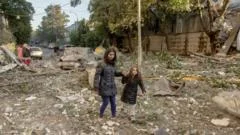
The sound of explosions echoed across multiple Ukrainian cities overnight, shattering the silence of the night and leaving a trail of destruction that has now claimed at least 14 lives. As dawn broke, the true scale of the latest massive Russian attack began to emerge — not just in the number of casualties, but in the desperate race against time to find those still trapped beneath the rubble.
Overnight Missile and Drone Barrage Hits Multiple Cities
In a coordinated and large-scale assault, Russian forces launched a wave of missiles and attack drones targeting several major Ukrainian cities, including the capital Kyiv, Dnipro, and Kharkiv. The attacks, which began late in the evening and continued into the early hours, struck residential areas and civilian infrastructure, according to Ukrainian officials. The sheer intensity of the barrage overwhelmed air defense systems in some areas, leading to direct hits on buildings where families were sleeping.
Why This Matters Right Now
This is not just another report of war. This attack represents a significant escalation in the ongoing conflict, demonstrating Russia's continued capacity and willingness to strike deep into Ukrainian territory with devastating force. For the people of Ukraine, it is a brutal reminder that no city is safe. For the international community, it raises urgent questions about the effectiveness of air defense supplies and the humanitarian toll of the war. The immediate, life-or-death search for survivors makes this a story of profound human tragedy unfolding in real-time.
Rescuers Race Against Time to Find Survivors
The most urgent story right now is the rescue operation. Emergency services, including firefighters, medics, and volunteers, are working tirelessly in several cities to clear debris and locate people who may be trapped. In Dnipro, reports indicate that a multi-story residential building was partially collapsed, with rescuers digging through concrete and steel to reach those inside. The emotional weight of these efforts is immense, as every minute increases the risk for those still buried. "We are doing everything possible," one rescue official was quoted as saying, "but the situation is very difficult."
What We Know So Far — and What Remains Unclear
As the situation develops, a clear picture is slowly forming, but many details remain uncertain. Here is what we know:
- Confirmed: At least 14 people have been killed across multiple cities.
- Confirmed: Dozens of people have been injured and are receiving medical treatment.
- Confirmed: The attack involved a combination of cruise missiles and Iranian-made Shahed drones.
- Unclear: The exact number of people still trapped under the rubble.
- Unclear: The full extent of damage to critical infrastructure, such as power grids and water supplies.
- Unclear: Whether the attack targeted specific military or industrial sites, or was indiscriminate.
Risks, Concerns, and the Balanced View
The immediate risk is the rising death toll as rescue operations continue. There is also a significant risk of further attacks, as Russia has shown a pattern of launching follow-up strikes. From a broader perspective, this attack underscores the vulnerability of civilian populations in modern warfare. While Russia claims to target military infrastructure, the impact on residential areas raises serious concerns about the conduct of the war. The international community faces the risk of "attack fatigue," where such large-scale assaults become normalized, reducing the urgency of the humanitarian response.
Why Similar Attacks Are Becoming a Grim Pattern
This is not an isolated incident. Over the past several months, Russia has repeatedly launched massive aerial barrages against Ukrainian cities, particularly during the winter months. These attacks serve multiple strategic purposes: they strain Ukraine's air defense resources, they terrorize the civilian population, and they attempt to degrade the country's energy grid. This pattern suggests that such large-scale attacks will continue as a central feature of the conflict, making the need for sustained international support for Ukraine's air defenses more critical than ever.
"Every night, we go to sleep not knowing if we will wake up. This is the reality of living in a war zone." — A resident of Kyiv, speaking to local media.
What Residents and the International Community Should Know Now
For residents in affected areas, the priority is safety. Authorities urge people to stay in shelters during air raid alerts and to follow instructions from emergency services. For the international community, this attack is a stark reminder of the ongoing need for military aid, particularly advanced air defense systems like Patriot batteries. It also highlights the importance of humanitarian aid for the countless families who have lost their homes and loved ones.
What Could Happen Next
The immediate focus will remain on rescue and recovery. In the coming days, the official death toll is expected to rise as more bodies are pulled from the rubble. Ukraine is likely to renew its calls for more air defense systems from its Western allies. Russia, meanwhile, may use this attack as a show of force, potentially signaling a new phase of intensified strikes. The psychological impact on the Ukrainian population will be profound, potentially affecting morale and the will to endure.
Our Take: Why This Story Matters Beyond One Incident
This attack is a grim milestone in a war that shows no signs of ending. It is a story about the resilience of ordinary people facing extraordinary horror. It is also a story about the limits of international diplomacy and the brutal reality of modern warfare where civilians pay the highest price. While the headlines will shift, the lives lost and the families shattered in this overnight assault will be felt for generations. This is not just a news story; it is a human tragedy that demands our attention and our empathy.
FAQs
What happened in the massive Russian attack on Ukraine?
Russia launched a large-scale overnight attack using missiles and drones against multiple cities across Ukraine, including Kyiv, Dnipro, and Kharkiv. The attack killed at least 14 people and injured dozens more, with rescuers still searching for survivors trapped under rubble.
Why did Russia attack Ukrainian cities overnight?
While Russia claims its strikes target military infrastructure, these attacks are widely seen as a strategy to terrorize the civilian population, strain Ukraine's air defense resources, and degrade critical infrastructure like the energy grid. The overnight timing is intended to maximize fear and disruption.
How many people are still trapped under the rubble after the attack?
The exact number of people still trapped is currently unclear. Rescue teams are working frantically in several cities to clear debris and locate survivors. The death toll is expected to rise as the search and rescue operation continues.
What can the international community do to help Ukraine after this attack?
The most immediate need is for advanced air defense systems to protect Ukrainian cities from future attacks. Continued humanitarian aid for displaced families and support for rebuilding damaged infrastructure are also critical. Diplomatic pressure on Russia to cease attacks on civilian areas remains a key, though challenging, goal.