Just days after introducing a controversial new policy that threatened to reshape the landscape for adult-themed projects, Kickstarter has done an abrupt about-face. The crowdfunding giant is officially rolling back its mature content guidelines after a wave of outrage from creators, artists, and backers who said the rules were too vague and too damaging.
The reversal, announced late Wednesday by COO Sean Leow, marks a rare and swift concession from a platform that rarely bends to public pressure. But this time, the backlash was too loud to ignore.
What Kickstarter Changed — and Why It Sparked Fury
Last week, Kickstarter quietly updated its content policy to impose stricter rules on what it considered "mature content." The new guidelines were meant to clarify what was allowed, but creators quickly realized they were far more restrictive than the old rules. Many feared that projects involving nudity, sexual themes, or even mature storytelling in comics and games would be banned or demonetized.
The reaction was immediate. Comic book artists, indie game developers, and adult content creators took to social media, forums, and even Kickstarter's own blog to voice their anger. The hashtag #KickstarterCensorship trended briefly, and several high-profile creators threatened to move their campaigns to rival platforms like Indiegogo and Patreon.
Why This Matters Right Now
This isn't just a policy tweak — it's a defining moment for Kickstarter's identity. The platform has long been a haven for projects that mainstream investors and publishers won't touch. From graphic novels exploring sexuality to indie games with mature narratives, Kickstarter's success has been built on its willingness to host content that pushes boundaries.
By rolling back the policy, Kickstarter is signaling that it still values creative freedom over corporate caution. But the episode also raises uncomfortable questions: Why was the policy introduced in the first place? And what happens the next time the company tries to tighten the rules?
How the Controversy Unfolded
The timeline of events is telling. On June 5, 2025, Kickstarter published its new mature content guidelines without prior consultation with the creator community. Within hours, complaints began flooding in. By June 7, several prominent comic publishers and game studios had publicly condemned the policy. On June 9, a Change.org petition demanding a reversal had gathered over 10,000 signatures.
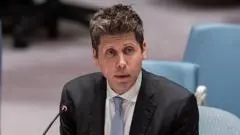
On June 11, just six days after the policy was introduced, Kickstarter blinked. COO Sean Leow published a blog post titled "An Apology: Rethinking Our Mature Content Guidelines," in which he admitted the company had made a mistake.
"We are removing the new mature content guidelines and reverting back to our previous guidelines, which prohibit pornography and illegal content. We failed to listen to our community, and for that, we are sorry." — Sean Leow, COO, Kickstarter
Who Is Affected and What Officials Are Saying
The reversal is a relief for thousands of creators who rely on Kickstarter to fund their work. Comic book artists, in particular, were among the most vocal critics. Many argued that the new policy would have effectively banned projects featuring adult themes, even if they were artistic or narrative-driven.
"This was a huge win for creators," said one comic publisher on social media. "Kickstarter realized that without us, they don't have a platform."
Kickstarter's official statement emphasized that the company will now engage in a "more thoughtful and collaborative process" before making any future changes to content guidelines. The company also promised to form a creator advisory board to provide input on policy decisions.
What We Know So Far — and What Remains Unclear
What we know:
- Kickstarter has fully reverted to its previous mature content guidelines.
- The old rules prohibit only "pornography" and "illegal content."
- COO Sean Leow issued a public apology.
- The company will create a creator advisory board.
What remains unclear:
- What exactly triggered the initial policy change? Kickstarter has not explained why it introduced the stricter rules in the first place.
- Will the creator advisory board have real power, or is it a PR move?
- Could the company face pressure from payment processors or investors to revisit the issue?
Risks, Concerns, and the Balanced View
While the reversal is being celebrated, some critics warn that the underlying pressures haven't disappeared. Payment processors like Visa and Mastercard have increasingly pressured platforms to crack down on adult content. Kickstarter may have been preemptively tightening its rules to avoid losing payment processing capabilities.
Others argue that the old guidelines are too vague. What exactly constitutes "pornography"? Who decides what is "illegal"? The lack of clarity could still leave creators vulnerable to arbitrary enforcement.
On the other hand, supporters of the reversal say that Kickstarter's strength lies in its community-driven model. By listening to creators, the platform has reaffirmed its commitment to creative freedom — a move that could strengthen loyalty in the long run.
Why Similar Trends or Concerns Are Growing
Kickstarter is not alone in facing this dilemma. Platforms like Patreon, OnlyFans, and even social media giants like Twitter have struggled to balance content moderation with creative expression. The rise of "financial censorship" — where payment processors dictate what content is allowed — is a growing concern across the internet.
For creators, the lesson is clear: platforms can change policies overnight, and the only real protection is a vocal, organized community. Kickstarter's reversal shows that backlash can work, but it also highlights how fragile the ecosystem is.
What Readers, Users, or Investors Should Know Now
If you are a creator on Kickstarter, here's what you need to know:
- Your projects are safe under the old guidelines — for now.
- Stay engaged with the creator advisory board process to ensure your voice is heard.
- Diversify your funding sources. Relying on a single platform is risky.
If you are a backer, continue supporting the projects you believe in. Your voice matters, as this episode proved.
What Could Happen Next
Kickstarter has promised a more transparent process for future policy changes. The creator advisory board is expected to be formed within the next few months. However, the company may still face pressure from external stakeholders to revisit the issue.
In the longer term, this episode could set a precedent for how crowdfunding platforms handle content moderation. If creators can successfully push back against restrictive policies, other platforms may think twice before imposing similar rules.
Our Take: Why This Story Matters Beyond One Incident
Kickstarter's reversal is more than a victory for a niche community of artists and game developers. It's a reminder that in the age of algorithm-driven moderation, human voices still matter. The speed and scale of the backlash forced a billion-dollar company to admit it was wrong — and that's rare.
But the underlying tension remains. As long as payment processors and investors hold power over what content is allowed, platforms will face pressure to sanitize their offerings. The fight for creative freedom is not over; it's just moved to a new battlefield.
FAQs
Why did Kickstarter reverse its mature content policy?
Kickstarter reversed its policy after a massive backlash from creators who said the new guidelines were too vague and would harm their ability to fund projects. The company admitted the policy was "too broad" and apologized.
What are Kickstarter's current rules on mature content?
Kickstarter has reverted to its previous guidelines, which prohibit only "pornography" and "illegal content." Projects with mature themes, nudity, or adult storytelling are allowed as long as they do not fall into those categories.
Will Kickstarter try to introduce stricter rules again?
Kickstarter has promised to involve creators in future policy decisions through a new advisory board. However, external pressures from payment processors could still lead to future changes.
How can creators protect themselves from future policy changes?
Creators should stay engaged with platform updates, participate in advisory boards, and diversify their funding sources across multiple platforms to reduce dependency on any single service.