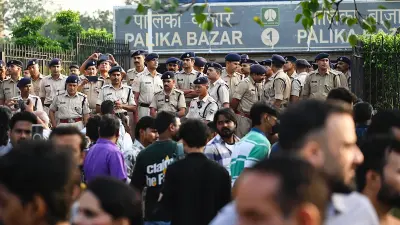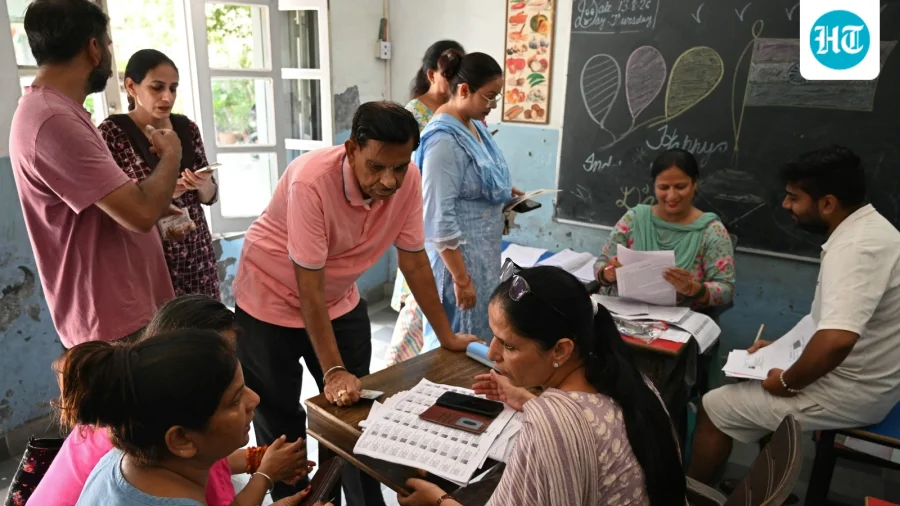
Millions of voters in Karnataka are staring at an uncertain future as the state's draft SIR rolls reveal a massive purge. Over 27% of electors — roughly one in every four — have been flagged for potential deletion, and the numbers are far worse in Bengaluru, where nearly half the electorate could be struck off. For a state heading into crucial electoral cycles, this is not just a data exercise; it is a question of democratic access.
What the Draft SIR Rolls Reveal
The Special Intensive Revision (SIR) is a routine but critical exercise aimed at cleaning up electoral rolls. However, the scale of deletions in Karnataka has startled observers. The state had 44.6 million electors, and the draft list now proposes cutting over 27% of them. The deletions are not uniform — urban constituencies are disproportionately affected.
Bengaluru, the state's political and economic nerve centre, faces a 42.5% drop in its voter base. This means lakhs of residents in the capital could lose their voting rights unless they successfully file objections.
Why Urban Voters Are Bearing the Brunt
Urban areas have always been a challenge for electoral roll maintenance. High mobility, frequent address changes, and incomplete documentation often lead to names being flagged as "duplicate" or "shifted." In Bengaluru, the tech-driven workforce moves frequently, making it harder for officials to verify current addresses.
Election officials argue that the deletions are based on field verification and data matching. But critics point out that urban voters, especially young professionals and migrants, are less likely to track draft roll notifications or have the time to file formal objections.
How the Revision Process Works
The SIR exercise follows a structured process. Electoral Registration Officers (EROs) conduct house-to-house verification, cross-check data with Aadhaar and other databases, and identify entries that appear invalid. Names flagged during this process are listed in the draft rolls.
Once the draft is published, a window opens for claims and objections. Voters whose names are missing or flagged can submit Form 6 for inclusion or Form 7 for objections. The final rolls are published only after these claims are resolved.
What This Means for the Common Voter
For the average citizen, the immediate concern is simple: "Is my name still on the list?" The answer, for over 27% of the state's electors, is currently "not sure." This uncertainty creates anxiety, especially among elderly voters and those in rural-urban migration corridors who may not have easy access to online portals.
Community organisations and civil society groups are urging voters to check their names on the official Election Commission portal immediately. The window for objections is limited, and missing it could mean losing the right to vote in upcoming elections.
Official Response and Verification Process
State election authorities have defended the draft rolls as a necessary correction. Officials said the deletions are based on "rigorous field verification" and that no eligible voter will be removed without a fair hearing. They have assured that the claims and objections process will be handled transparently.
However, political parties have already raised concerns. Opposition leaders allege that the deletions are disproportionately targeting urban and opposition-leaning constituencies, a charge the Election Commission has denied. The final outcome will depend on how effectively the grievance redressal mechanism functions.
Analysing the Bengaluru 42.5% Drop
The Bengaluru figure deserves deeper scrutiny. A 42.5% reduction is not a marginal correction; it is a structural change in the electoral map. If this holds, the city's political representation could shift significantly, affecting how urban issues are prioritised in state policy.
Experts suggest that the high deletion rate may reflect outdated data rather than actual ineligibility. Many residents who moved within the city or changed apartments may have been marked as "shifted" without proper verification. The onus now falls on individual voters to prove their residence.
Confirmed Facts vs What Remains Unclear
What is confirmed is the scale: over 27% of Karnataka's 44.6 million electors are flagged in the draft SIR rolls, with Bengaluru facing a 42.5% drop. What remains unclear is how many of these flagged names will be restored after the claims process.
It is also not yet known whether the deletions are the result of genuine ineligibility, duplicate entries, or administrative errors. Until the final rolls are published, the true impact on the electorate cannot be measured.
Risks and Concerns Around the Revision
The biggest risk is voter disenfranchisement. If eligible citizens fail to file objections due to lack of awareness or technical barriers, they could lose their voting rights permanently. There are also concerns about the digital divide — not every voter can access online portals or understand the forms.
Transparency is another issue. While officials claim due process, the sheer volume of deletions makes it difficult to verify each case individually. Political parties have demanded a detailed breakdown of the deletions by constituency and reason.
A Wider Pattern in Electoral Roll Revisions
Karnataka is not alone in facing this challenge. Several states have seen sharp fluctuations in electoral rolls during revision exercises. The tension is always the same: cleaning the rolls of duplicates versus ensuring no eligible voter is left out.
This is a delicate balance. Overzealous deletion can suppress voter turnout, while lax verification can inflate rolls with invalid entries. The Karnataka exercise will be watched closely as a case study in how states handle this trade-off.
What Voters Should Do Right Now
If you are a voter in Karnataka, the first step is to check your name on the National Voter Services Portal (NVSP) or the CEO Karnataka website. If your name is missing or flagged, file Form 6 or Form 7 immediately.
Keep your address proof and identity documents ready. If you have recently moved, update your address in the electoral roll before the deadline. Do not wait for the final list — the window for objections is your only chance to correct the record.
Future Outlook: What Happens Next
The final electoral rolls will be published after the claims and objections window closes. The number of voters who successfully file claims will determine the final deletion rate. If the response is strong, the actual reduction could be far lower than 27%.
In the longer term, this exercise highlights the need for a more dynamic electoral roll system that updates automatically with address changes. Until then, voters must remain vigilant and proactive.
Our Take
The draft SIR rolls are a necessary administrative exercise, but the scale of deletions in Karnataka demands scrutiny. A 27% cut is not a routine correction; it is a significant event that could reshape the electorate. The authorities must ensure that the process is transparent, accessible, and fair.
For voters, this is a wake-up call. Democracy is not just about the right to vote; it is about actively protecting that right. Check your name, file your claim, and make sure your voice is not silently erased.
Frequently Asked Questions
What are draft SIR rolls in Karnataka?
Draft SIR (Special Intensive Revision) rolls are provisional electoral lists published by the Election Commission to identify and remove ineligible or duplicate voter entries. Voters can file claims and objections before the final list is confirmed.
How can I check if my name is in the Karnataka draft SIR rolls?
You can check your name on the National Voter Services Portal (NVSP) or the CEO Karnataka official website by entering your details. If your name is missing, you can file Form 6 for inclusion.
What should I do if my name is deleted from the voter list?
If your name is deleted, you must file Form 6 (for inclusion) or Form 7 (for objection) with your Electoral Registration Officer before the deadline. Attach proof of residence and identity to support your claim.
Why is Bengaluru seeing a 42.5% drop in voters?
The high drop in Bengaluru is attributed to frequent address changes, high mobility, and data mismatches in urban areas. Many flagged voters may have moved within the city without updating their electoral details.