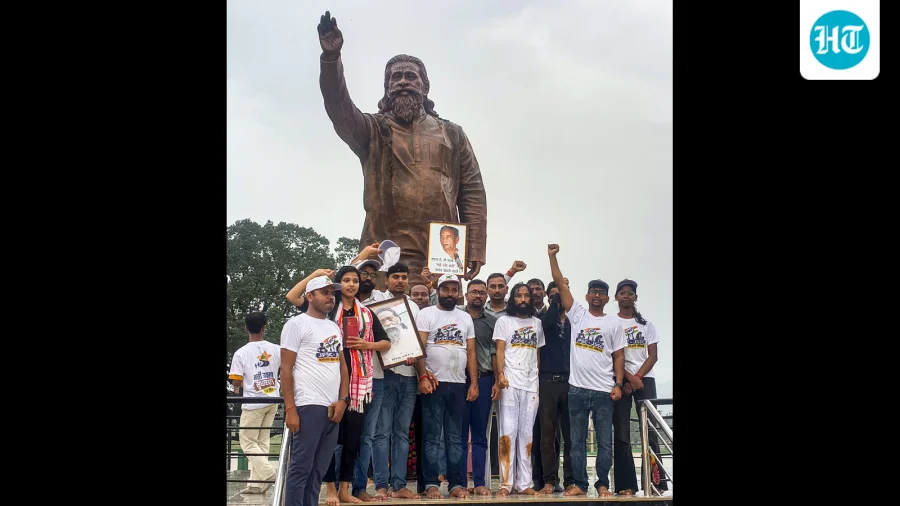
The choice of location was never accidental. When Jharkhand Loktantrik Krantikari Morcha (JLKM) leader Devendra Nath Mahto stepped out on Monday to launch the “Bharti Vyavastha Sudhar Yatra,” he did so from Nemra — the paternal village of Jharkhand Mukti Morcha (JMM) founder Shibu Soren. The message was deliberate: recruitment reform is not just an administrative issue, it is a political battlefield.
A symbolic start in the heartland of JMM’s legacy
Nemra is not just another village in Jharkhand’s political geography. It is the ancestral home of Shibu Soren, the towering figure whose political movement gave birth to the JMM. By beginning the yatra here, Mahto has drawn a clear line — the demand for fair recruitment exams is being taken directly to the doorstep of the state’s ruling establishment.
The timing adds weight. With recruitment exams under repeated scrutiny across the state, the yatra taps into a growing public frustration among unemployed youth who feel the current system lacks transparency.
Why recruitment exams have become a flashpoint in Jharkhand
For years, job aspirants in Jharkhand have voiced concerns over alleged irregularities, delayed results, and a lack of clarity in the recruitment process. The demand for reform is not new, but it has rarely been channeled into a sustained political campaign. Mahto’s yatra attempts to fill that gap.
The core demand is straightforward: a cleaner, more transparent, and faster recruitment examination system. But the political undertone is sharper — it questions the credibility of the current administration’s handling of state employment.
From Nemra to the corridors of power: the political calculation
Launching a protest from a symbolic location is a classic political strategy. By choosing Nemra, Mahto is signaling that the JMM’s own foundational promises of justice and empowerment are being tested. The yatra is as much about policy as it is about political positioning ahead of future electoral battles.
Political observers note that the move could resonate beyond JLKM’s traditional support base. Unemployed youth, students, and even families directly affected by recruitment delays form a significant voter bloc that no party can afford to ignore.
Who stands to be affected by the recruitment reform push
The immediate beneficiaries of any reform would be the lakhs of young aspirants preparing for state government exams. For them, the yatra represents a rare moment of political attention on an issue that directly shapes their futures.
Beyond aspirants, the campaign also puts pressure on the state government to respond publicly. How the administration reacts — through dialogue, policy changes, or silence — will determine whether this yatra remains a symbolic gesture or evolves into a larger movement.
Official response and the road ahead
As of now, there has been no detailed official response from the state government or the JMM regarding the yatra’s demands. The JLKM has indicated that the campaign will continue, with further announcements expected on the route and specific reform proposals.
The lack of immediate reaction suggests the government is assessing the political weight of the move before responding. In the coming days, the yatra’s momentum and public reception will likely shape the next phase of this campaign.
What this yatra reveals about Jharkhand’s political mood
The launch of the Bharti Vyavastha Sudhar Yatra is not an isolated event. It reflects a broader pattern across India where recruitment transparency has become a major public concern. In Jharkhand, this issue carries additional weight due to the state’s young population and high unemployment figures.
Mahto’s decision to anchor the campaign in Nemra suggests he understands the emotional and political resonance of the location. It is a calculated move that blends policy demand with symbolic protest — a combination that often forces governments to take notice.
Confirmed facts versus what remains unclear
What is confirmed: the yatra was launched on Monday from Nemra, and its stated purpose is to seek reforms in the state’s recruitment examination system. What remains unclear: the specific reform proposals, the duration of the yatra, and whether other opposition groups will join the campaign.
There is also no clarity yet on how the state government plans to respond. Until official statements are made, the full scope of this movement remains a developing story.
Risks and the challenge of sustaining momentum
Political yatras often begin with enthusiasm but struggle to maintain public attention over time. The JLKM faces the challenge of converting symbolic protest into concrete policy outcomes. Without clear, actionable demands and sustained public engagement, the campaign risks becoming a footnote rather than a turning point.
There is also the risk of political polarization. By targeting the JMM’s symbolic heartland, the yatra could be framed as an opposition stunt rather than a genuine reform movement. How Mahto navigates this perception will be critical.
A wider pattern of recruitment reform movements
Jharkhand is not alone in facing recruitment exam controversies. Several states have witnessed protests and legal battles over paper leaks, result delays, and alleged favoritism. The demand for a centralized, technology-driven, and transparent recruitment process is growing across India.
This yatra, therefore, sits within a larger national conversation about the fairness of government job examinations. Its success or failure could offer lessons for similar movements elsewhere.
What should job aspirants and observers do now
For job aspirants, the yatra is a reminder to stay informed about recruitment policies and to engage with official channels for updates. For political observers, the campaign offers a lens into how regional parties are positioning themselves on governance issues ahead of elections.
For the general public, the key takeaway is simple: recruitment reform is not just a bureaucratic matter. It affects the lives of millions of young people and the credibility of state institutions.
Future outlook: will the yatra force a policy shift?
The immediate future of the yatra depends on public turnout and political response. If the campaign gains traction, the state government may be compelled to announce concrete measures to address recruitment concerns. If it fades, the issue may return to the background until the next election cycle.
One thing is certain: the symbolic choice of Nemra has ensured that this yatra will not be ignored. The question now is whether it can translate symbolism into substance.
Our Take
The Bharti Vyavastha Sudhar Yatra is a textbook example of how political symbolism can amplify a policy demand. By starting from Nemra, Devendra Nath Mahto has ensured that the issue of recruitment reform is framed not just as an administrative problem, but as a test of the ruling establishment’s commitment to fairness. Whether this translates into real change depends on sustained public pressure and the government’s willingness to engage. For now, the yatra has succeeded in putting recruitment reform firmly on Jharkhand’s political agenda.
Frequently Asked Questions
What is the Bharti Vyavastha Sudhar Yatra?
It is a campaign launched by JLKM leader Devendra Nath Mahto to demand reforms in Jharkhand’s recruitment examination system. The yatra began from Nemra, the ancestral village of JMM founder Shibu Soren.
Why was the yatra launched from Nemra?
Nemra holds symbolic political significance as the paternal village of Shibu Soren. Starting the yatra there is seen as a direct challenge to the JMM-led government’s handling of recruitment processes.
What are the main demands of the yatra?
The primary demand is comprehensive reform of the state’s recruitment examination system, focusing on transparency, fairness, and efficiency in the hiring process for government jobs.
Has the state government responded to the yatra?
As of now, there has been no detailed official response from the state government or JMM regarding the yatra’s demands. The campaign is ongoing, and further developments are expected.