Just days after a US-brokered ceasefire between Israel and Hezbollah took effect, Israel struck Beirut’s southern suburbs without warning on June 7, 2026. The attack, which defied a US request not to target Lebanon’s capital, has shattered the fragile calm and raised urgent questions about whether the truce can hold.
What happened in Beirut’s southern suburbs
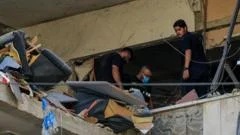
Israel launched airstrikes on Beirut’s southern suburbs, a densely populated area and a Hezbollah stronghold. The strikes came without prior warning, catching residents off guard. The attack was the first major breach of the ceasefire agreement brokered in Washington just days earlier.
Why this strike matters for the ceasefire
The attack directly undermines the US-brokered truce, which was intended to halt hostilities between Israel and Hezbollah. The ceasefire had already been under strain, with reports of Israeli attacks on Lebanon continuing despite the deal. This strike marks a significant escalation, signaling that the agreement may not be enough to prevent further violence.
Timeline of the truce and its collapse
The ceasefire agreement was announced on June 4, 2026, after negotiations in Washington. Both sides agreed to halt attacks, with Hezbollah committing to stop firing into Israeli territory. However, within days, Israel accused Hezbollah of violating the truce by firing at Israeli territory, leading to the retaliatory strike on Beirut.
Who is affected by the renewed violence
Residents of Beirut’s southern suburbs, many of whom had returned to their homes after the ceasefire, now face renewed fear and displacement. The strike also threatens to destabilize Lebanon further, a country already grappling with economic collapse and political paralysis. Civilians on both sides of the border remain at risk as the truce unravels.
Israel’s justification for the attack
Israel said the strikes were ordered “in response to Hezbollah’s firing at Israeli territory.” Officials framed the attack as a necessary retaliation to enforce the ceasefire terms. However, critics argue that the response was disproportionate and violated the spirit of the agreement, which called for mutual restraint.
What the US-brokered truce actually says
The ceasefire agreement required both Israel and Hezbollah to cease all military operations. The US had reportedly requested that Israel avoid striking Beirut, a key condition to maintain the deal. By targeting the capital, Israel has not only breached the truce but also challenged US mediation efforts, potentially complicating future diplomatic initiatives.
Confirmed facts vs what remains unclear
Confirmed: Israel struck Beirut’s southern suburbs on June 7, 2026, without warning. The attack was in response to Hezbollah’s firing at Israeli territory. The strike defied a US request not to target Lebanon’s capital. Unclear: The extent of casualties and damage from the strike. Whether Hezbollah will retaliate. The full impact on the ceasefire agreement.
Risks and balanced view of the situation
Israel argues the strike was necessary to deter Hezbollah and enforce the ceasefire. Hezbollah and its supporters view the attack as a violation of the truce and a provocation. The US faces a diplomatic dilemma: whether to condemn Israel’s action or continue backing its ally. The risk of a wider conflict remains high, with both sides accusing each other of violations.
Wider pattern of ceasefire breaches in the region
This is not the first time a US-brokered ceasefire in the Middle East has failed to hold. Similar agreements between Israel and Hamas, as well as in Yemen, have collapsed due to mutual accusations of violations. The pattern suggests that without robust enforcement mechanisms and trust-building measures, ceasefires in the region remain fragile.
What residents and observers should watch for
Residents in southern Lebanon and northern Israel should prepare for possible escalation. Observers should monitor Hezbollah’s response, which could range from diplomatic protests to renewed rocket fire. The US and UN may push for an emergency meeting to salvage the ceasefire. Anyone following the situation should rely on verified news sources and avoid unconfirmed reports on social media.
What could happen next
The immediate future depends on Hezbollah’s reaction. If the group chooses to retaliate, the region could see a new cycle of violence. The US may attempt to broker a new truce, but its credibility as a mediator has been damaged. Without a swift de-escalation, the ceasefire could collapse entirely, leading to a full-scale conflict.
Our Take
This strike is a stark reminder that ceasefires are only as strong as the commitment of both parties. Israel’s decision to target Beirut, despite US requests, shows that military objectives can override diplomatic agreements. For civilians, the cost is already being paid in fear and uncertainty. The international community must act quickly to prevent this breach from spiraling into a wider war.
Frequently Asked Questions
Why did Israel strike Beirut after the ceasefire?
Israel said the strike was in response to Hezbollah firing at Israeli territory, which it considered a violation of the truce.
What was the US role in the ceasefire?
The US brokered the ceasefire agreement in Washington, which called for both sides to halt attacks. The US had also requested that Israel avoid striking Beirut.
Is the ceasefire still in effect?
The status of the ceasefire is uncertain. The strike is a major breach, but both sides have not formally declared the agreement dead.
What should civilians in the region do?
Civilians should stay informed through reliable news sources, follow safety advisories from local authorities, and prepare for possible escalation.