In a direct challenge to a rare public rebuke from former US President Donald Trump, Israel launched fresh airstrikes on southern Lebanon on Tuesday, hitting multiple towns and threatening to unravel a fragile ceasefire framework. The strikes came just hours after Trump told Prime Minister Benjamin Netanyahu to be "more responsible" in his handling of the Lebanon front, marking an unusually sharp split between the two allies.
What Happened: Airstrikes Hit Southern Lebanon
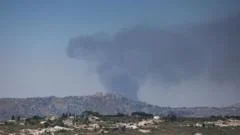
Israeli warplanes struck several locations in southern Lebanon, including areas near the border. The Israeli military said the strikes targeted Hezbollah infrastructure and positions, accusing the group of violating the terms of the existing ceasefire understanding. Local Lebanese media reported explosions in towns like Tayr Harfa and Naqoura, with residents describing a sudden escalation after weeks of relative calm.
Why Trump’s Criticism Matters
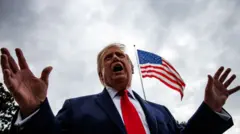
Trump’s remark, made during a press conference on Tuesday, was a significant departure from his usual staunch support for Israel. "Netanyahu needs to be more responsible with respect to Lebanon," Trump said, without elaborating on specific actions. The comment signaled growing US frustration with Israel’s military posture, especially as Washington pushes for a broader peace framework involving Iran and Lebanon. For many observers, the public nature of the criticism was unprecedented.
Timeline: How the Ceasefire Unraveled
The current tensions follow months of US-led shuttle diplomacy aimed at securing a lasting ceasefire between Israel and Hezbollah. A framework agreement, announced in late May, had raised hopes for de-escalation. However, Israel has repeatedly accused Hezbollah of using the lull to rebuild military capabilities near the border. Tuesday’s strikes represent the most significant violation of the ceasefire since it was announced, raising questions about whether the deal was ever viable.
Who Is Affected: Civilians Caught in the Crossfire
For residents of southern Lebanon, the strikes are a terrifying return to the violence that has displaced thousands over the past year. Schools and businesses had begun to reopen in some areas, but Tuesday’s attacks have shattered that fragile normalcy. In Israel, communities near the border remain on high alert, with many residents skeptical that any diplomatic solution can guarantee their safety. The human cost of this cycle of escalation continues to mount.
Trump’s Warning: A Shift in US Policy?
Trump’s direct criticism of Netanyahu marks a potential shift in the US-Israel dynamic. While Trump has long positioned himself as Israel’s most reliable ally, his administration has also prioritized a grand bargain with Iran, which requires stability on the Lebanon front. Analysts suggest Trump may be using the Lebanon issue to pressure Netanyahu into accepting a broader deal that includes concessions on Palestinian statehood or settlement expansion. The warning could be a negotiating tactic, but it also reflects genuine frustration.
What’s Behind the Escalation: Hezbollah’s Role and Israeli Calculus
Israel’s stated rationale for the strikes is Hezbollah’s alleged violations of the ceasefire. The Israeli military claims the group has been moving weapons and personnel closer to the border, preparing for potential attacks. Hezbollah, for its part, denies any violations and accuses Israel of using the ceasefire as cover for its own military operations. For Israel, the calculus is clear: it cannot tolerate a Hezbollah buildup that could threaten its northern communities. But the strikes risk triggering a broader conflict that neither side wants.
Confirmed Facts vs What Remains Unclear
Confirmed: Israel launched airstrikes on multiple targets in southern Lebanon on Tuesday. Trump publicly criticized Netanyahu’s handling of Lebanon. The Israeli military cited Hezbollah activity as the reason for the strikes.
Unclear: The exact extent of damage and casualties. Whether Hezbollah actually violated the ceasefire. Whether the strikes were authorized with US knowledge or in defiance of US warnings. The full context of Trump’s remark — whether it was a one-off comment or a signal of a broader policy shift.
Risks and Balanced View
The escalation carries significant risks. For Israel, defying Trump could strain the relationship with its most important ally and complicate future military aid. For the US, the public split undermines its credibility as a mediator. For Lebanon, the strikes could trigger a new wave of displacement and economic damage. Critics of Israel argue that the strikes are a deliberate provocation designed to scuttle the ceasefire and justify a larger operation. Supporters say Israel has a right to defend itself against Hezbollah’s creeping buildup. The truth likely lies somewhere in between, but the immediate consequence is a more volatile region.
Wider Pattern: US-Israel Tensions Over Iran Deal
This incident is part of a broader pattern of friction between the Trump administration and the Netanyahu government over the US-Iran peace framework. Trump’s deal with Iran, which includes limits on Tehran’s nuclear program and regional influence, requires Israel to exercise restraint on multiple fronts. Netanyahu, however, views Hezbollah and Iran as existential threats and is reluctant to tie his hands. The Lebanon strikes may be Netanyahu’s way of signaling that he will not be bound by a deal he did not sign.
What Should Readers Know Now
For those following the situation, the key takeaway is that the ceasefire is now in serious jeopardy. If you are in southern Lebanon or northern Israel, stay informed through official channels and avoid areas near the border. For investors, the escalation could impact energy prices and regional stability. For policymakers, the incident underscores the difficulty of achieving peace without addressing the underlying security concerns of both sides.
What Could Happen Next
The immediate future depends on whether Hezbollah retaliates. If the group launches rockets into Israel, the situation could spiral into a full-scale conflict. If it holds back, diplomatic channels may reopen, but trust has been severely damaged. Trump’s team is likely to press Netanyahu for de-escalation, but the prime minister faces domestic pressure to appear strong. A temporary lull is possible, but a lasting ceasefire now seems distant.
Our Take
This is more than a military incident — it is a political earthquake. Trump’s public criticism of Netanyahu is a rare and significant break, one that could reshape the US-Israel relationship. The strikes reveal the fundamental tension between Israel’s security needs and Washington’s broader diplomatic ambitions. For now, the people of southern Lebanon and northern Israel pay the price. The story is not just about bombs and rockets; it is about the failure of diplomacy to keep pace with the realities on the ground.
Frequently Asked Questions
Why did Israel launch strikes on Lebanon despite Trump’s warning?
Israel says the strikes were a response to Hezbollah violations of the ceasefire, including moving weapons near the border. The Israeli military views these actions as an unacceptable threat to its northern communities.
What did Trump say about Netanyahu and Lebanon?
Trump said Netanyahu needed "to be more responsible with respect to Lebanon," a rare public criticism that signaled US frustration with Israel’s military posture.
Is the US-Israel alliance in trouble?
Not necessarily. The public split is significant, but both sides have strong incentives to maintain the alliance. The incident may be a negotiating tactic rather than a fundamental break.
What should people in the region do now?
Residents near the border should follow official safety advisories, avoid travel to affected areas, and stay updated through reliable news sources. Diplomatic efforts are ongoing, but the situation remains volatile.