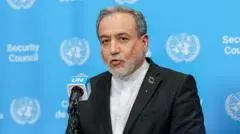
The threat of a new blockade on global trade routes has emerged as Iran warned it may close more strategic waterways after US President Donald Trump vowed to strike Iranian bridges and power plants next week if Tehran does not return to talks. The escalating rhetoric between Washington and Tehran is raising alarms over the safety of critical shipping lanes that carry a significant portion of the world's oil and goods.
What Iran's Trade Route Threat Means for Global Shipping
Iran has previously threatened to block the Strait of Hormuz, a narrow passage through which about 20% of the world's oil passes. Now, officials in Tehran have signaled they could target additional routes, potentially including the Bab el-Mandeb strait near Yemen or the Suez Canal via proxy forces. Such a move would disrupt supply chains already strained by geopolitical tensions, pushing up shipping costs and insurance premiums for vessels in the region.
Why the US Threat to Strike Bridges and Power Plants Escalates the Crisis
President Trump's warning to hit Iran's infrastructure marks a significant escalation from previous economic sanctions and limited military actions. Striking bridges and power plants would target Iran's civilian infrastructure, potentially causing widespread blackouts and disrupting daily life for millions of Iranians. This approach is seen as a high-pressure tactic to force Tehran back to negotiations, but it risks triggering a broader conflict that could engulf the region.
Timeline of Rising Tensions Between Washington and Tehran
The standoff has intensified over the past year, beginning with the US withdrawal from the 2015 nuclear deal and reimposition of sanctions. Iran responded by exceeding uranium enrichment limits and seizing oil tankers in the Persian Gulf. The latest exchange of threats follows a series of attacks on commercial vessels in the Red Sea and Gulf of Oman, which the US has blamed on Iran-backed forces. Trump's latest ultimatum sets a one-week deadline for talks, raising the stakes for both sides.
Who Is Affected by a Potential Trade Route Blockade
Global consumers, energy markets, and shipping companies are most at risk. A blockade of the Strait of Hormuz would immediately spike oil prices, affecting fuel costs for drivers, airlines, and manufacturers worldwide. Indian importers of crude oil from the Middle East would face higher costs, potentially leading to increased petrol and diesel prices at home. Exporters in Asia and Europe relying on Suez Canal routes could see delays and higher freight rates.
Official Responses from Washington and Tehran
President Trump stated, "If Iran does not come to the table, we will strike their bridges and power plants next week." Iranian officials have not issued a formal response to the specific threat but have previously warned that any attack on their territory would be met with retaliation, including blocking trade routes. No official confirmation of new US strikes has been made, and the situation remains in a diplomatic standoff.
Analysis: Why This Standoff Is Different from Previous Crises
The direct threat to civilian infrastructure marks a departure from past US-Iran confrontations, which focused on military targets or proxy forces. Analysts believe this reflects a "maximum pressure" strategy aimed at crippling Iran's economy and forcing concessions. However, it also raises the risk of miscalculation, as Iran may view such strikes as an act of war, triggering a cycle of retaliation that could spiral out of control. The blockade threat is a powerful bargaining chip for Tehran, but one that could backfire by provoking a stronger US response.
Confirmed Facts vs What Remains Unclear
Confirmed: President Trump has publicly threatened to strike Iranian bridges and power plants next week if talks are not resumed. Iran has previously threatened to block the Strait of Hormuz. Unclear: Whether the US has actually launched new strikes or is preparing to do so. Iran's specific plans for blocking additional trade routes remain unspecified. The timeline for any diplomatic breakthrough is uncertain.
Risks and Balanced View of the Escalation
Critics of Trump's approach argue that threatening civilian infrastructure could be seen as a war crime under international law, while supporters say it is necessary to force Iran to abandon its nuclear ambitions. Iran's blockade threat could be a bluff or a calculated move to increase leverage, but it risks triggering a military response from the US and its allies. The situation remains highly volatile, with both sides appearing unwilling to back down.
Wider Pattern of Trade Route Disruptions in the Middle East
The current standoff is part of a broader trend of geopolitical tensions disrupting global trade routes. Recent Houthi attacks on Red Sea shipping, linked to the Israel-Hamas war, have already forced many vessels to reroute around Africa, adding weeks to transit times. Iran's threats add another layer of uncertainty, potentially pushing shipping costs higher and testing the resilience of global supply chains.
Practical Guidance for Readers and Businesses
For consumers, monitoring fuel prices and planning for potential increases is advisable. Businesses reliant on Middle Eastern oil or shipping routes should review supply chain diversification strategies, including alternative sources and routes. Investors in energy and shipping sectors should prepare for volatility. Staying informed through official government advisories and reputable news sources is crucial as the situation develops.
Future Outlook: What Could Happen Next
If talks resume, the immediate crisis could de-escalate, but underlying tensions remain. If the US follows through on its strike threat, Iran is likely to retaliate, possibly by targeting US assets or allies in the region, or by blocking trade routes. A prolonged standoff could lead to a sustained disruption in global energy markets, with oil prices potentially spiking above $100 per barrel. Diplomatic intervention by other powers, such as the European Union or China, may be needed to prevent a full-blown conflict.
Our Take
This is not just another round of rhetoric between Washington and Tehran. The threat to strike civilian infrastructure marks a dangerous escalation that could have far-reaching consequences for global trade and regional stability. While both sides may be posturing for leverage, the risk of miscalculation is high. For the world, the stakes are clear: a disruption in the Strait of Hormuz would send shockwaves through energy markets and supply chains, affecting millions of people far beyond the Middle East. The coming week will be critical in determining whether diplomacy prevails or the region slides into a broader conflict.
Frequently Asked Questions
Why is Iran threatening to block trade routes?
Iran is threatening to block trade routes in response to US President Trump's vow to strike Iranian bridges and power plants if Tehran does not return to negotiations. It is a retaliatory measure aimed at increasing pressure on the US and its allies.
Which trade routes could Iran block?
Iran has previously threatened the Strait of Hormuz, through which about 20% of global oil passes. It may also target the Bab el-Mandeb strait or the Suez Canal via proxy forces, though specific plans remain unclear.
How would a trade route blockade affect India?
India imports a significant portion of its crude oil from the Middle East. A blockade would raise oil prices, leading to higher fuel costs for consumers and businesses, and could disrupt supply chains for goods shipped through the Suez Canal.
What did President Trump say about striking Iran?
President Trump said the US would strike Iranian bridges and power plants next week if Iran does not return to talks. This marks a significant escalation from previous sanctions and limited military actions.
Is a war between the US and Iran likely?
While both sides are escalating rhetoric, a full-scale war is not inevitable. Diplomatic channels remain open, but the risk of miscalculation is high. The next week will be critical in determining the trajectory of the crisis.