Women’s cricket has quietly become a space where love knows no boundaries. In a sport often defined by fierce competition, a growing number of international stars have chosen to share their personal lives openly, normalising same-sex relationships on and off the field. From England’s decorated all-rounders to South Africa’s trailblazing duo, these 11 cricketers have not only excelled in their careers but also redefined what it means to be visible in professional sports.
England’s Power Couple: Natalie Sciver-Brunt and Katherine Sciver-Brunt
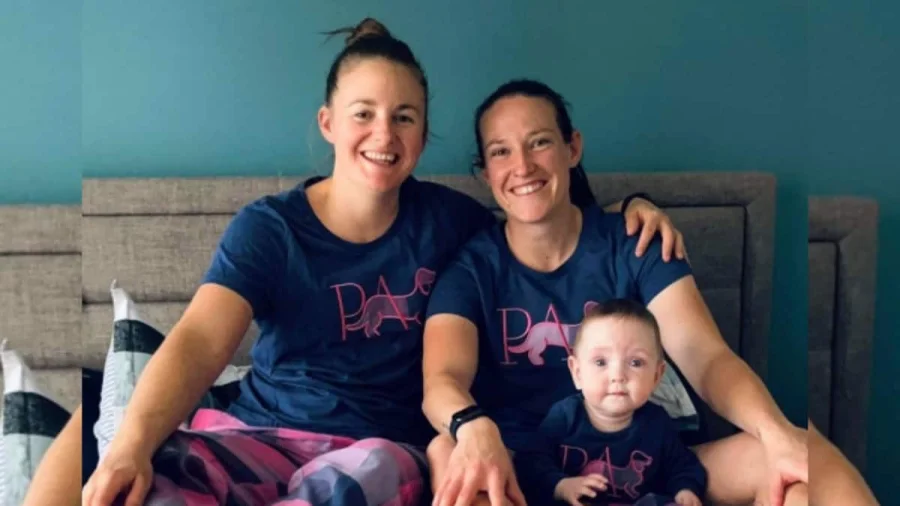
England greats Natalie Sciver-Brunt and Katherine Sciver-Brunt married in 2022, becoming one of cricket’s most celebrated couples. In 2023, they welcomed their son, Theo. Both have enjoyed decorated international careers, with Natalie establishing herself as one of the world’s leading all-rounders. Their public journey has inspired countless fans, showing that family and sport can coexist beautifully.
South Africa’s Trailblazers: Dane van Niekerk and Marizanne Kapp
South African stars Dane van Niekerk and Marizanne Kapp married in 2018, becoming one of the first openly gay couples in international cricket. Van Niekerk, a former captain, and Kapp, a pace-bowling all-rounder, have been vocal about their relationship, often sharing moments from their life together. Their openness has been a beacon for younger players navigating similar paths.
Why This Matters for Cricket and Beyond
These relationships are more than personal stories—they are powerful statements in a sport that has historically been conservative. By living openly, these cricketers have challenged stereotypes and created a safer environment for LGBTQ+ athletes. For fans in India and across the world, seeing role models embrace their identities can be transformative, especially in societies where same-sex relationships remain taboo.
A Timeline of Openness in Women’s Cricket
The trend began quietly in the 2010s, with players like England’s Sarah Taylor and Australia’s Alex Blackwell sharing their relationships. By the 2020s, it became more common, with multiple players marrying partners from within the sport. This shift mirrors broader societal changes, but cricket’s role in normalising same-sex love is particularly significant given its global reach.
Who Is Affected and How
Young cricketers, especially in countries like India, Pakistan, and Bangladesh, where LGBTQ+ rights are limited, find inspiration in these stories. Parents, coaches, and administrators are also impacted, as the visibility of these relationships encourages more inclusive policies. For fans, it’s a reminder that sport can be a force for social change.
What Players Have Said
In interviews, many of these cricketers have emphasised the importance of authenticity. “I never wanted to hide who I am,” one player said. “Cricket gave me a platform to be myself.” Others have noted the support from teammates and boards, though some have faced challenges in more conservative regions. Their courage has paved the way for others.
The Deeper Meaning Behind the Trend
This openness reflects a broader cultural shift in women’s sports, where athletes are increasingly using their platforms for advocacy. In cricket, it has also highlighted the difference between men’s and women’s games—women’s cricket has often been more progressive on social issues. This trend is not just about relationships; it’s about redefining what success looks like in sports.
Confirmed Facts vs What Remains Unclear
Confirmed: Natalie Sciver-Brunt and Katherine Sciver-Brunt married in 2022 and have a son. Dane van Niekerk and Marizanne Kapp married in 2018. Other couples include England’s Sarah Taylor and Australia’s Alex Blackwell, who have publicly shared their relationships. Unclear: The exact number of openly LGBTQ+ players in international cricket, as some choose not to disclose their personal lives. All information is based on public statements and verified media reports.
Why These Cricketers Matter Beyond the Sport
These athletes have built a legacy that extends beyond runs and wickets. Their willingness to live openly has created a network effect, inspiring other players to come out and normalising same-sex relationships in a sport watched by billions. Their brand power and influence have also made them role models for LGBTQ+ youth worldwide.
Risks and Challenges They Face
Despite progress, risks remain. In some countries, players face backlash from conservative fans or media. There are also concerns about privacy, as public relationships can invite unwanted scrutiny. Some critics argue that focusing on personal lives distracts from sporting achievements. However, most players have found that openness brings more support than criticism.
A Wider Pattern in Women’s Sports
This trend is part of a larger movement in women’s sports, from football to tennis, where athletes are increasingly open about their sexuality. In cricket, it has been particularly visible due to the close-knit nature of the women’s circuit, where many players form lifelong bonds. This pattern is likely to continue as younger generations enter the sport.
What Fans and Young Players Can Learn
For fans, these stories offer a lesson in acceptance and courage. Young cricketers can take inspiration from these players, knowing that their identity does not have to be a barrier to success. Parents and coaches can use these examples to foster inclusive environments in local clubs and schools.
What Could Happen Next
As societal attitudes evolve, more players are expected to share their relationships openly. Cricket boards may also introduce more inclusive policies, such as partner benefits for same-sex couples. The next decade could see even greater visibility, with players from conservative nations potentially following suit.
Our Take
These 11 female cricketers have done more than win matches—they have changed the game off the field. By normalising same-sex relationships, they have made cricket a more inclusive space for everyone. Their stories remind us that sport is not just about competition; it is about humanity, love, and the courage to be oneself. In a world still grappling with acceptance, their visibility is a quiet revolution worth celebrating.
Frequently Asked Questions
Which female cricketers are in same-sex relationships?
Notable examples include England’s Natalie Sciver-Brunt and Katherine Sciver-Brunt, South Africa’s Dane van Niekerk and Marizanne Kapp, and Australia’s Alex Blackwell. Many others have also shared their relationships publicly.
How have these relationships impacted women’s cricket?
They have normalised LGBTQ+ visibility in the sport, inspiring younger players and fostering more inclusive environments in teams and fan communities.
Are there any risks for cricketers who come out?
In some conservative regions, players may face backlash or privacy concerns. However, most have received strong support from teammates and boards, and the trend is toward greater acceptance.
Why is this trend more visible in women’s cricket than men’s?
Women’s cricket has historically been more progressive on social issues, and the close-knit nature of the women’s circuit encourages openness. Men’s cricket remains more conservative in this regard.