The sound of explosions echoed across multiple locations in Iran overnight, marking a dramatic escalation in tensions between the United States and Iran. The strikes came shortly after neighboring Gulf states began reporting attacks, signaling a coordinated or retaliatory military action.
What Happened Overnight
Residents in several Iranian cities reported hearing loud blasts, with some describing the ground shaking. The explosions were concentrated near military installations, according to initial reports. The US military confirmed it had launched a wave of strikes targeting Iranian military bases, though specific targets were not immediately disclosed.
Why This Escalation Matters
This is the most direct military confrontation between the US and Iran in years. The strikes risk drawing in regional allies and adversaries, potentially destabilizing an already volatile Middle East. For ordinary citizens, the immediate concern is safety and the possibility of further retaliation.
Timeline of Events
The attacks began late last night when Gulf states reported incoming fire. Within hours, explosions were heard across Iran. The US confirmed its involvement shortly after, stating the strikes were aimed at degrading Iran's military capabilities. No further details on the scale or duration of the operation have been released.
Human Impact on the Ground
Civilians in affected areas described panic and confusion as the explosions continued. Many sought shelter, unsure of what was being targeted. Hospitals in several cities have been placed on alert, though no official casualty figures have been released. The psychological toll on residents is expected to be significant.
Official Responses So Far
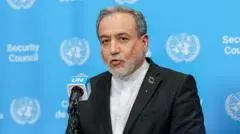
The US administration stated the strikes were "necessary and proportionate" in response to unspecified provocations. Iranian officials have condemned the attacks, vowing retaliation. International bodies, including the United Nations, have called for restraint and de-escalation. No independent verification of the claims from either side is available yet.
What This Means for Regional Stability
The strikes represent a major shift in US-Iran relations, moving from proxy conflicts to direct military engagement. Gulf states, already on edge, are likely to increase their own security measures. The risk of a broader regional war has risen sharply, with potential consequences for global oil prices and security alliances.
Confirmed Facts vs What Remains Unclear
Confirmed: Explosions were heard across Iran; US confirmed launching strikes targeting military bases; Gulf states reported attacks beforehand. Unclear: Exact locations and number of targets; casualty figures; whether Iran will retaliate immediately; the specific trigger for the US action. All information is preliminary and subject to change.
Risks and Balanced View
The US justifies the strikes as defensive, while Iran views them as an act of aggression. Critics warn that such actions could lead to a prolonged conflict with no clear exit strategy. Supporters argue that a strong military response is necessary to deter future threats. The lack of independent verification makes it difficult to assess the full scope of the operation.
Wider Pattern of US-Iran Tensions
This is not an isolated incident. The US and Iran have been locked in a cycle of escalation for years, involving cyberattacks, proxy forces, and naval confrontations. The current strikes mark a significant departure from previous tactics, raising the stakes for both nations and their allies.
What Should You Do Now
For those in the region, follow local authorities' instructions and avoid areas near military installations. For global readers, stay informed through verified news sources. Investors should monitor oil markets, as prices are likely to fluctuate. The situation is developing rapidly, and caution is advised.
Future Outlook
The immediate future hinges on Iran's response. Retaliation could take the form of missile strikes, cyberattacks, or proxy operations against US interests. Diplomatic channels remain open but are unlikely to yield quick results. The coming days will determine whether this escalation leads to a broader conflict or a de-escalation.
Our Take
This is a dangerous moment for the Middle East and global security. The lack of verified information underscores the need for cautious reporting. While military action may achieve short-term goals, the long-term consequences—including civilian casualties and regional instability—could outweigh any tactical gains. The world is watching, and the stakes have never been higher.
Frequently Asked Questions
Why did the US launch strikes on Iran?
The US stated the strikes were in response to unspecified provocations and aimed at degrading Iran's military capabilities. No specific trigger has been officially confirmed.
What areas in Iran were hit?
Multiple locations across Iran reported explosions, primarily near military bases. Exact locations have not been disclosed by either side.
Are there any casualties?
No official casualty figures have been released. Hospitals in affected areas are on alert, but independent verification is not yet available.
Could this lead to a wider war?
The risk of escalation is high. Iran has vowed retaliation, and the involvement of regional allies could expand the conflict. Diplomatic efforts are ongoing but uncertain.