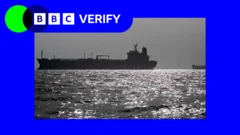
Three Iranian oil tankers, fully laden with crude, have successfully navigated past the US military blockade in the Gulf of Oman, according to ship-tracking data reviewed by Bloomberg. The development marks a significant challenge to Washington’s efforts to cut off Tehran’s oil revenue and could reshape the geopolitical calculus in the region.
How the Tankers Evaded the Blockade
At least two of the tankers were part of a flotilla that went dark — disabling their Automatic Identification System (AIS) transponders — to avoid detection by US naval forces. The vessels then slipped through the blockade line in the Gulf of Oman, a critical chokepoint for global oil shipments. Ship-tracking data later confirmed their positions beyond the blockade zone, indicating a successful breach.
Why This Matters for Global Oil Markets
Iran’s ability to export crude despite the US blockade has direct implications for global oil supply. The Strait of Hormuz, through which about 20% of the world’s oil passes, remains a flashpoint. If Iran can consistently bypass the blockade, it could increase supply and pressure prices downward. Conversely, any escalation — such as US strikes on tankers — could spike prices. Traders are already pricing in a risk premium.
Timeline of the Blockade and Escalation
The US military imposed a blockade on Iranian ports in the Strait of Hormuz in April 2026, following heightened tensions over Iran’s nuclear program and regional activities. The US Navy has since been intercepting and, in some cases, disabling Iranian tankers attempting to breach the cordon. In early May, the US military said it had disabled two Iranian tankers trying to evade the blockade. The latest breach suggests the blockade is not airtight.
Who Is Affected by This Development
Iranian oil exporters and their buyers — primarily in China and other Asian markets — stand to benefit if shipments continue. US allies in the Gulf, including Saudi Arabia and the UAE, are watching nervously, as any disruption to Iranian exports could affect regional stability. Global consumers could face higher fuel prices if the situation escalates into a broader conflict.
US Military Response and Official Statements
The US military has not yet issued a formal statement on the latest breach. However, earlier this month, the Pentagon confirmed that US forces had fired on Iranian tankers trying to evade the blockade, disabling two vessels. “We will not allow Iran to violate international law and threaten regional security,” a US defense official said at the time. The lack of immediate comment on the latest incident suggests the US may be reassessing its tactics.
Analysis: What the Breach Reveals About the Blockade’s Effectiveness
The successful passage of three tankers indicates that the US blockade, while disruptive, is not impenetrable. Iranian operators have adapted by using “dark” shipping tactics — turning off transponders, using smaller vessels, and transferring cargo at sea. This cat-and-mouse game mirrors earlier sanctions evasion during the Trump administration. The key question is whether the US will escalate with more aggressive interdiction or seek diplomatic solutions.
Confirmed Facts vs What Remains Unclear
Confirmed: Three Iranian tankers loaded with crude have passed the US blockade in the Gulf of Oman, based on ship-tracking data. At least two went dark to avoid detection. Unclear: The exact destinations of the tankers, whether they will offload at sea or at a port, and whether the US military will retaliate. Speculation that the tankers are headed for China remains unconfirmed.
Iran’s Strategic Advantage in Oil Shipping
Iran has developed a sophisticated network of tanker operators, insurers, and buyers that operate outside Western financial systems. The country’s fleet of aging but operational tankers, combined with its experience in sanctions evasion, gives it a moat that is difficult for the US to fully close. Iran also benefits from the support of buyers in Asia who are willing to risk secondary sanctions for discounted crude.
Risks and Balanced View
While the breach is a tactical success for Iran, it carries significant risks. The US could respond with more aggressive measures, including direct strikes on tankers or secondary sanctions on buyers. Escalation could lead to a broader military confrontation in the Gulf, disrupting all oil shipments. Critics of the blockade argue it is ineffective and risks alienating allies. Supporters say it is necessary to pressure Iran over its nuclear program.
Wider Trend: The Erosion of US Economic Pressure
The breach is part of a broader pattern of Iran successfully evading US sanctions and blockades. Since 2018, Iran has used creative shipping methods, barter trade, and digital currencies to maintain oil exports. The latest incident suggests that even a military blockade cannot fully stop determined actors. This trend has implications for US foreign policy and the credibility of economic coercion as a tool.
Practical Guidance for Readers
For investors: Monitor oil price volatility and consider hedging against geopolitical risk. For students and analysts: Track ship-tracking data from sources like MarineTraffic or Vortexa for real-time updates. For concerned citizens: Understand that the situation is fluid and that official statements from the US and Iranian governments should be prioritized over social media rumors.
Future Outlook
In the near term, expect the US to increase naval patrols and possibly deploy additional assets to the Gulf of Oman. Iran may attempt more shipments, testing the blockade’s limits. Diplomatic channels remain open but are unlikely to yield a breakthrough soon. The risk of a direct US-Iran naval confrontation has increased, though both sides have shown restraint so far. The next 48 hours will be critical.
Our Take
This story matters because it exposes the limits of military force in economic warfare. The US blockade was designed to choke Iran’s oil revenue, but Iran’s ability to adapt shows that sanctions and blockades are not silver bullets. The real question is whether the US will escalate or seek a negotiated solution. For now, the world’s oil markets are watching a high-stakes game of maritime chess.
Frequently Asked Questions
How did Iranian tankers evade the US blockade?
The tankers turned off their Automatic Identification System (AIS) transponders — a practice known as “going dark” — to avoid detection by US naval forces. They then sailed through the blockade line in the Gulf of Oman, according to ship-tracking data.
What is the US military blockade of Iran?
The US imposed a military blockade on Iranian ports in the Strait of Hormuz in April 2026, aiming to prevent Iran from exporting crude oil. US Navy vessels patrol the area and have been authorized to intercept and disable Iranian tankers attempting to breach the blockade.
Why is the Strait of Hormuz important for oil markets?
About 20% of the world’s oil passes through the Strait of Hormuz, a narrow waterway between Iran and Oman. Any disruption to shipping there can cause significant volatility in global oil prices.
Could this lead to a military conflict between the US and Iran?
The risk of escalation has increased, but both sides have shown restraint so far. The US has disabled Iranian tankers in the past, and Iran has not directly attacked US vessels. However, any miscalculation could trigger a broader confrontation.