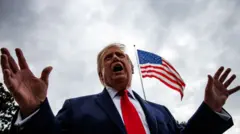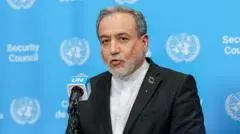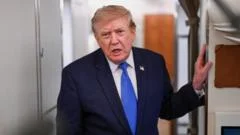
The diplomatic confusion between Washington and Tehran deepened today as Iran officially denied President Trump's claim that new talks between the two nations would begin on Monday. The denial comes amid confirmed negotiations between Iran and Oman over access to the strategically vital Strait of Hormuz — a distinction that appears central to the misunderstanding.
Tehran's Firm Rejection of the Monday Timeline
Iranian officials have moved quickly to correct the record, stating clearly that no new round of talks with the United States is scheduled to begin on Monday. The denial directly contradicts President Trump's public assertion, raising questions about the reliability of information circulating within the US administration.
The timing of this diplomatic back-and-forth is particularly sensitive, given the long-standing tensions between the two nations over Iran's nuclear program and regional military activities.
Why the Oman Connection Matters Right Now
While denying US talks, Iran has confirmed it is actively engaged in negotiations with Oman regarding Strait of Hormuz access. This distinction is crucial — the Strait of Hormuz is one of the world's most critical oil shipping lanes, through which roughly 20% of global petroleum consumption passes.
Oman has historically served as a trusted intermediary in regional disputes, maintaining diplomatic channels with both Iran and Western nations. The current negotiations suggest Tehran remains open to dialogue — but through established regional partners rather than direct engagement with Washington.
How the Diplomatic Situation Developed
The conflicting statements represent the latest chapter in a complex relationship marked by periodic engagement and abrupt breakdowns. President Trump's claim of impending talks appeared to signal a potential thaw in relations, but Iran's swift denial indicates no such breakthrough has been arranged.
The involvement of Oman adds a layer of regional diplomacy that has been a consistent feature of Gulf politics. Omani mediation has previously helped de-escalate tensions and facilitate communication between adversaries who lack direct channels.
What This Means for Regional Stability
For nations across the Gulf region and beyond, the confusion over US-Iran talks carries real consequences. Shipping companies, oil markets, and regional governments all monitor these diplomatic signals closely, as any shift in the status quo could affect energy prices and security arrangements.
The Strait of Hormuz negotiations with Oman suggest Iran is willing to discuss maritime security — a positive signal for global energy markets. However, the absence of direct US-Iran talks leaves the broader diplomatic picture unresolved.
Official Positions and Public Statements
Iranian authorities have been unambiguous in their denial, emphasizing that no talks with the United States are scheduled. The confirmation of Oman negotiations provides context for what may have prompted the US president's statement, though no official explanation has been offered from Washington.
Analysts note that miscommunication between adversarial nations is not uncommon, particularly when multiple diplomatic tracks operate simultaneously. The situation underscores the challenges of managing expectations in high-stakes international relations.
Reading Between the Diplomatic Lines
The distinction between Oman-mediated negotiations and direct US-Iran talks is more than semantic. Iran's willingness to engage with Oman while rejecting direct American contact reflects a calculated diplomatic posture — one that keeps channels open while maintaining political distance from Washington.
This approach allows Tehran to demonstrate flexibility on regional security issues while avoiding the domestic political complications of direct engagement with the United States.
Confirmed Facts vs What Remains Unclear
Confirmed: Iran denies Trump's claim of new talks beginning Monday. Iran confirms ongoing negotiations with Oman over Strait of Hormuz access.
Unclear: What prompted President Trump's claim of impending talks. Whether any indirect communication channels exist between Washington and Tehran. The specific agenda and progress of the Iran-Oman negotiations.
All speculation about the reasons behind the conflicting statements should be treated as unverified until further official clarification emerges.
Regional Diplomatic Dynamics at Play
Oman's role as a diplomatic intermediary is well-established in the region. The Sultanate has maintained balanced relations with both Iran and Gulf Arab states, positioning itself as a credible mediator in disputes that other nations cannot easily address.
The current negotiations over Strait of Hormuz access fit this pattern, offering a potential pathway for de-escalation on maritime security issues without requiring direct US-Iran engagement.
Risks and Concerns in the Current Standoff
The contradictory statements carry inherent risks. Miscommunication between nuclear-armed or nuclear-capable adversaries can escalate quickly if signals are misinterpreted. The absence of direct communication channels increases the danger of miscalculation.
Critics of the current approach argue that regional mediation, while valuable, cannot substitute for direct dialogue between Washington and Tehran on core issues like nuclear enrichment and sanctions relief.
The Broader Pattern in US-Iran Relations
This episode fits a recurring pattern in US-Iran relations, where public statements and diplomatic realities frequently diverge. Both nations have historically used public messaging to signal positions while conducting quieter diplomacy through intermediaries.
The reliance on regional mediators like Oman reflects the absence of formal diplomatic relations between Washington and Tehran, which were severed in 1980.
What Observers Should Watch For
For those tracking this story, the key developments to monitor include any official clarification from the White House regarding President Trump's statement, updates on the Iran-Oman negotiations, and signals from regional partners about the potential for broader diplomatic engagement.
Oil markets and shipping industry stakeholders will pay particular attention to any concrete outcomes from the Strait of Hormuz discussions.
Future Outlook for US-Iran Engagement
The path forward remains uncertain. While Iran's denial closes the door on immediate direct talks, the confirmed Oman negotiations suggest diplomatic channels remain active. Whether these discussions expand to include broader US-Iran issues depends on factors that remain unclear at this stage.
Regional observers will watch whether Oman can leverage its current role to facilitate broader dialogue, or whether the Strait of Hormuz discussions remain narrowly focused on maritime access.
Our Take
The contradiction between Washington's claims and Tehran's denial highlights a persistent challenge in US-Iran relations: the absence of reliable, direct communication. While the Oman track offers a constructive pathway on specific issues like Strait of Hormuz access, it cannot substitute for clarity between the primary adversaries.
For now, the situation calls for cautious observation rather than speculation. The confirmed negotiations with Oman represent genuine diplomatic activity, but the gap between public claims and confirmed reality serves as a reminder that in international relations, what is said and what is happening are not always the same thing.
Frequently Asked Questions
Did Iran confirm any new talks with the United States?
No. Iran has officially denied President Trump's claim that new talks with the US would begin on Monday. Iranian officials stated clearly that no such talks are scheduled.
What are the Iran-Oman negotiations about?
Iran has confirmed it is currently negotiating with Oman over Strait of Hormuz access. The Strait of Hormuz is a critical oil shipping lane, and these discussions focus on maritime access and security matters.
Why does Oman serve as a mediator between Iran and other nations?
Oman has historically maintained diplomatic relations with both Iran and Western nations, positioning itself as a trusted intermediary. The Sultanate has facilitated communication between adversaries who lack direct diplomatic channels.
What is the significance of the Strait of Hormuz in these negotiations?
The Strait of Hormuz is one of the world's most important oil shipping routes, handling roughly 20% of global petroleum consumption. Negotiations over access to this waterway have significant implications for global energy markets and regional security.