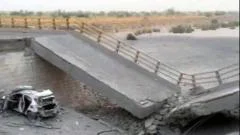
The accusation from Tehran marks a significant escalation in the rhetorical war between the two nations. By claiming that civilian infrastructure was deliberately targeted, Iran is framing the US military action as a violation of international law and a threat to ordinary citizens, not just military personnel.
What Iran Is Claiming
Iranian officials have stated that the US strikes hit non-military sites, including what they describe as essential civilian infrastructure. The specific locations and the extent of the damage have not been independently confirmed, but the accusation itself is a powerful tool in shaping public opinion both domestically and internationally.
The Pentagon's Position on the Strikes
The US military has offered a clear and direct counter-narrative. A Pentagon spokesperson stated that the attacks were designed to "further degrade Iranian military capabilities." This language suggests a targeted, surgical approach aimed at specific military assets, such as missile systems, drone facilities, or command centers, rather than indiscriminate bombing.
Why This Disagreement Matters
For the people living in the affected areas, the distinction between a military and a civilian target is not just a legal or political question—it is a matter of life and death. If civilian infrastructure like power grids, water treatment plants, or hospitals was hit, the impact on daily life could be severe and long-lasting. For the international community, the competing claims will test the credibility of both nations and could influence future diplomatic efforts.
Who Is Affected by the Conflicting Reports
Ordinary citizens in the region are the most directly affected, facing the immediate consequences of the strikes and the uncertainty of the ongoing conflict. Beyond the immediate zone, global markets, international diplomats, and regional allies are all watching closely. The narrative battle over what was hit will shape the next phase of this confrontation.
Official Statements and Attribution
Iran's accusation has been reported by state-affiliated media, while the US military's position has been communicated through official Pentagon channels. Both sides are presenting their version of events without independent verification, making it difficult for outside observers to determine the full truth.
Analyzing the Strategic Logic
The US military's stated goal of "degrading Iranian military capabilities" is a standard objective in such operations. However, Iran's counter-claim of civilian damage is a classic asymmetric response, designed to shift the moral and legal high ground. This is a battle for perception as much as it is a military operation.
Confirmed Facts vs What Remains Unclear
What is confirmed: The US conducted military strikes. The US says the targets were military. Iran says the targets included civilian infrastructure. What remains unclear: The exact list of targets hit, the extent of damage to any civilian sites, and whether any civilian casualties occurred. All claims about specific targets are currently unverified.
Risks and a Balanced View of the Claims
There is a significant risk of misinformation from both sides. Iran may be exaggerating or fabricating claims of civilian damage to gain a propaganda advantage. Conversely, the US may be understating any collateral damage to maintain the legitimacy of its operation. A balanced view requires skepticism of both narratives until independent evidence emerges.
The Wider Pattern of US-Iran Tensions
This incident is the latest flashpoint in a long history of confrontation between the US and Iran. From the 1979 hostage crisis to the nuclear deal negotiations and recent proxy conflicts, the relationship has been defined by mistrust and periodic military escalation. This accusation fits into that broader pattern of mutual recrimination.
Practical Guidance for Following the Story
For readers trying to understand what is happening, the best approach is to seek information from multiple, credible sources. Look for reports from international news agencies, independent conflict monitors, and official statements from both governments. Be wary of any single source that presents a one-sided narrative without acknowledging the other side's claims.
What Could Happen Next
The immediate future will likely involve a war of words, with both sides releasing more details and evidence to support their claims. The UN or other international bodies may call for an investigation. If independent evidence of civilian damage emerges, it could lead to international condemnation of the US. If no such evidence appears, Iran's credibility on this issue may be damaged.
Our Take
This story is a classic example of how modern conflict is fought on two fronts: the physical battlefield and the information battlefield. The accusation from Iran is serious and must be investigated, but it must also be treated with the same scrutiny as the US military's denial. For now, the truth lies somewhere in the fog of war, and the most responsible journalism is to report the competing claims clearly while acknowledging the lack of independent verification.
Frequently Asked Questions
What did Iran accuse the US of?
Iran accused the United States of hitting civilian infrastructure during recent military strikes, claiming that non-military sites were targeted.
What is the US military's response to the accusation?
The US military stated that its attacks were intended to "further degrade Iranian military capabilities," implying that the targets were exclusively military in nature.
Is there independent confirmation of the damage?
No. There is currently no independent verification of the specific targets hit or the extent of damage to civilian infrastructure. The claims from both sides remain unconfirmed.
Why is this accusation significant?
If true, it would represent a serious escalation and a potential violation of international law. The accusation itself is a powerful tool for shaping public opinion and diplomatic pressure against the US.