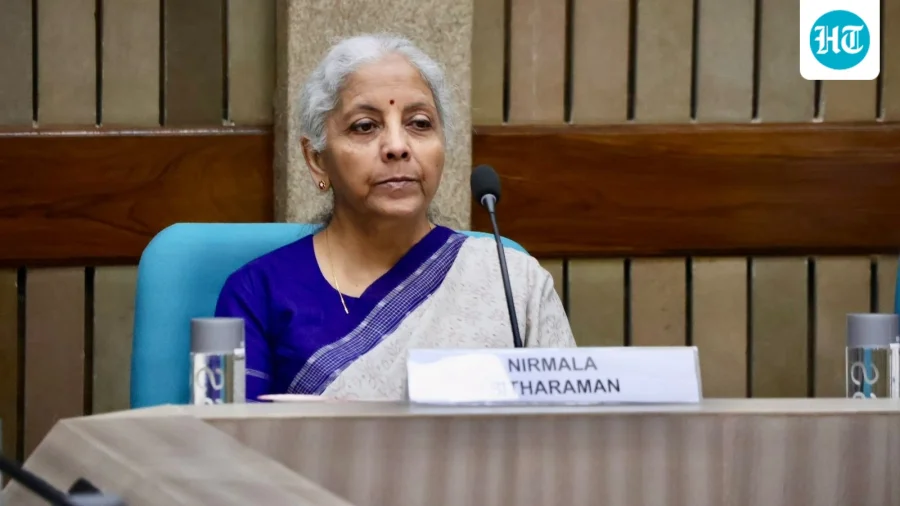
As the shadow of the West Asia crisis lengthens, Finance Minister Nirmala Sitharaman has delivered a blunt message to the nation: India cannot afford to panic. With crude oil prices climbing and the cost of fertiliser soaring, she is urging a collective focus on what she calls the '3Fs' — fuel, fertiliser, and foreign exchange. The warning is clear: fearmongering is a luxury the country cannot afford right now.
Why Sitharaman's '3Fs' Warning Matters Right Now
The West Asia crisis is not just a geopolitical event; it's a direct economic shockwave for India. As a major importer of crude oil, any spike in global prices immediately pressures our import bill. This, in turn, weakens the rupee and can fuel inflation, making everything from petrol to food more expensive. Sitharaman's focus on the 3Fs is a signal that the government is bracing for impact and asking citizens to do the same — with discipline, not fear.
What Are the '3Fs' and Why Are They Under Pressure?
The '3Fs' — Fuel, Fertiliser, and Forex — are the three pillars of India's economic stability that are now under direct threat. Fuel prices are rising as global crude oil rates surge due to supply concerns from the conflict. Fertiliser costs have also shot up, threatening the agricultural sector and food prices. And Forex (foreign exchange) reserves are being carefully managed to shield the rupee from excessive volatility. The Finance Minister stressed the importance of Prime Minister Narendra Modi's call to conserve foreign exchange, a move aimed at preventing a balance-of-payments crisis.
Who Is Affected and What Officials Are Saying
The impact of the 3Fs crisis will be felt by every Indian. From the price you pay at the petrol pump to the cost of your daily bread, the ripple effects are real. Farmers are particularly vulnerable, as higher fertiliser costs could eat into their profits. Sitharaman's message is directed at everyone: "We cannot afford fearmongering." She is calling for a united, calm approach to navigate these turbulent times, urging businesses and citizens to avoid panic-driven decisions that could worsen the situation.
What We Know So Far — and What Remains Unclear
What we know: Crude oil and fertiliser prices have risen sharply. The government is actively monitoring the situation and has reiterated its commitment to the 3Fs. PM Modi's call for forex conservation is a key part of the strategy.
What remains unclear: How long the West Asia crisis will last. The full extent of the impact on India's fiscal deficit and inflation targets is still uncertain. The government's specific contingency plans, beyond the general call for discipline, have not been detailed.
Risks, Concerns, and the Balanced View
The biggest risk is a prolonged conflict that keeps global prices high, forcing India to spend more on imports and potentially leading to higher inflation and interest rates. Critics might argue that the government's response has been too reactive. However, the balanced view is that India's forex reserves are relatively strong, and the government has experience managing oil price shocks. The real test will be execution — whether the call for discipline translates into concrete action across the economy.
Why Similar Economic Concerns Are Growing Globally
India is not alone. The West Asia crisis is a global economic threat. Many countries are facing similar pressures on energy and food prices. The situation is a stark reminder of how interconnected the world is and how quickly geopolitical instability can translate into economic hardship. For India, the challenge is amplified by its high dependence on oil imports.
- India imports over 80% of its crude oil needs.
- A $10 per barrel increase in oil prices can widen India's current account deficit by about $15 billion.
- Fertiliser subsidies have already been a major fiscal burden for the government.
"We cannot afford fearmongering. The situation demands discipline and a focus on the 3Fs — fuel, fertiliser, and forex." — Nirmala Sitharaman, Finance Minister
What Readers, Businesses, and Investors Should Know Now
For the average citizen, the key takeaway is to be prepared for some price increases, but not to panic. For businesses, especially those in energy-intensive sectors, it's time to hedge risks and manage costs. For investors, the focus should be on companies with strong domestic demand and low exposure to imported inputs. The government's message is clear: stay calm, conserve resources, and trust the system's resilience.
What Could Happen Next
The immediate future depends on the trajectory of the West Asia crisis. If tensions de-escalate, prices could stabilise. If the conflict worsens, India may need to tap into its strategic petroleum reserves and consider additional fiscal measures. The government may also accelerate its push for renewable energy and domestic oil exploration to reduce long-term dependence. The coming weeks will be critical.
Our Take: Why This Story Matters Beyond One Incident
Sitharaman's warning is more than just a reaction to a crisis. It's a statement about India's economic philosophy in a volatile world. The focus on the 3Fs is a reminder that economic stability is built on discipline, not panic. The real story here is not just about rising prices, but about the government's attempt to manage public sentiment and prevent a self-inflicted economic wound. It's a test of leadership, communication, and collective resilience.
FAQs
What does Sitharaman mean by the '3Fs'?
The '3Fs' refer to Fuel, Fertiliser, and Foreign Exchange (Forex). These are three critical areas of the Indian economy that are under pressure due to the rising costs caused by the West Asia crisis.
Why is the Finance Minister warning against 'fearmongering'?
Sitharaman is concerned that panic-driven behaviour, such as hoarding or unnecessary spending, could worsen the economic impact of the crisis. She is urging calm and discipline to help the economy navigate the situation smoothly.
How will the West Asia crisis affect the common Indian citizen?
The most direct impact will be on the prices of petrol, diesel, and cooking gas. Additionally, higher fertiliser costs could lead to an increase in food prices. The government is trying to manage these impacts, but some price pressure is expected.
What is PM Modi's call to conserve foreign exchange?
PM Modi has urged citizens and businesses to avoid unnecessary imports and to be mindful of spending foreign currency. This helps protect India's forex reserves and supports the rupee against the dollar, especially during times of global uncertainty.