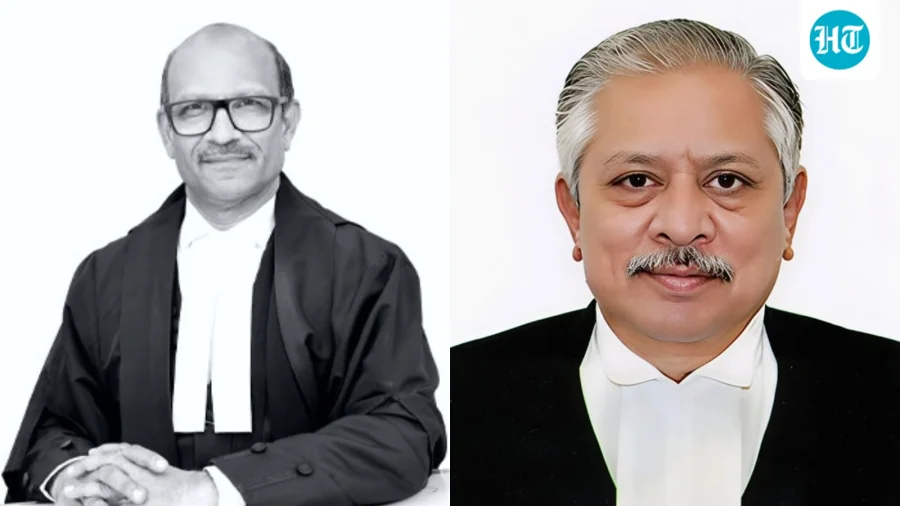
The Indian judiciary witnessed an unprecedented moment as Supreme Court Justice Sandeep Mehta formally sought the immediate transfer of Rajasthan High Court Acting Chief Justice Sanjeev Prakash Sharma. The sitting SC judge cited corruption, nepotism and misuse of power — marking the first time such allegations have been raised by a Supreme Court judge against a High Court chief justice.
A First in Indian Judicial History
This development carries historic weight. Never before has a sitting Supreme Court judge publicly flagged corruption charges against a High Court chief justice. The move signals a potential shift in how internal judicial accountability is being addressed.
The request has been placed before the Supreme Court collegium, the body responsible for judicial appointments and transfers. The collegium's response will set a precedent for how such internal allegations are handled.
Why This Matters for Public Trust in the Judiciary
For ordinary citizens, the judiciary represents the final guarantor of justice. When allegations of corruption reach the highest levels of the judicial hierarchy, public confidence can be shaken. This case is not merely an internal administrative matter — it directly affects how Indians perceive the fairness and integrity of their courts.
Legal experts suggest that the unprecedented nature of this complaint could either strengthen institutional credibility by demonstrating self-regulation, or expose deeper systemic issues if mishandled.
Understanding the Allegations: Corruption, Nepotism, Misuse of Power
Justice Mehta's complaint reportedly encompasses three distinct categories of misconduct. Corruption allegations typically involve financial impropriety or undue influence. Nepotism refers to favouritism shown to relatives or associates in judicial appointments and administrative decisions. Misuse of power suggests actions beyond the legitimate exercise of judicial authority.
At this stage, these remain allegations raised by a sitting Supreme Court judge. No formal inquiry has been announced, and Acting Chief Justice Sharma has not yet publicly responded to the claims.
Who Is Affected: Litigants, Lawyers and the Rajasthan High Court
The Rajasthan High Court handles thousands of cases affecting citizens across the state. Any disruption in its leadership carries practical consequences for pending matters, administrative decisions and the overall functioning of the court.
Lawyers practising in Rajasthan are closely watching the developments, as the outcome could influence case assignments, bench compositions and the court's administrative direction.
The Supreme Court Collegium's Role and Responsibility
The collegium system, comprising the Chief Justice of India and senior Supreme Court judges, now faces a delicate decision. Approving the transfer would validate the concerns raised. Declining it could raise questions about whether internal accountability mechanisms are effective.
Observers note that the collegium's handling of this matter will be scrutinised not just by the legal community but by the broader public seeking assurance that judicial integrity is being protected.
What This Reveals About Judicial Accountability Mechanisms
This episode exposes the internal processes by which the judiciary polices itself. The in-house procedure for addressing judicial misconduct has historically remained opaque. A sitting judge raising formal allegations against a High Court chief justice brings these mechanisms into sharper public focus.
The outcome may prompt broader discussions about whether existing accountability frameworks are adequate or require reform.
Confirmed Facts vs What Remains Unclear
Confirmed: Justice Sandeep Mehta has sought the immediate transfer of Acting Chief Justice Sanjeev Prakash Sharma. The stated grounds include corruption, nepotism and misuse of power. The matter is before the Supreme Court collegium.
Unclear: Specific details of the allegations have not been publicly disclosed. No formal inquiry has been announced. Acting Chief Justice Sharma's response has not been made public. The timeline for the collegium's decision remains unknown.
Risks and Balanced View
While the allegations are serious, the principle of natural justice requires that Acting Chief Justice Sharma be given an opportunity to respond. Transfer is an administrative measure, not a finding of guilt. The presumption of innocence must be maintained until any formal inquiry concludes.
Critics of the collegium system may argue that internal transfers are insufficient responses to serious misconduct allegations. Others may caution against drawing conclusions before all facts emerge.
A Wider Pattern: Growing Scrutiny of Judicial Conduct
This development arrives amid broader conversations about judicial transparency and accountability in India. While the judiciary has historically maintained internal discipline, public scrutiny of judicial conduct has intensified in recent years.
This case could accelerate calls for clearer mechanisms to address allegations against senior judicial officers.
What Citizens and Legal Professionals Should Watch For
For those following this story, key indicators include the collegium's formal decision, any public statement from Acting Chief Justice Sharma, and whether a formal inquiry is ordered. Legal professionals should monitor how this affects Rajasthan High Court administration.
Citizens should note that this remains an internal judicial matter at this stage, with due process yet to unfold.
Future Outlook: Precedent and Institutional Impact
The collegium's decision will establish how similar allegations are handled in the future. If the transfer is approved, it may encourage greater internal accountability. If not, questions about the effectiveness of self-regulation may intensify.
Either outcome will shape the judiciary's institutional character for years to come.
Our Take
This is a defining moment for judicial accountability in India. A sitting Supreme Court judge has broken with convention to flag serious concerns about a High Court chief justice. The courage required for such a step should not be underestimated, nor should the gravity of the allegations.
The collegium now carries the burden of demonstrating that the judiciary can hold its own members to the highest standards. How this matter is resolved will speak volumes about the institution's commitment to integrity — and its willingness to be transparent with the public it serves.
Frequently Asked Questions
What did Supreme Court Justice Sandeep Mehta allege against Rajasthan HC Acting Chief Justice?
Justice Sandeep Mehta sought the immediate transfer of Acting Chief Justice Sanjeev Prakash Sharma, citing corruption, nepotism and misuse of power. This is the first instance of a sitting Supreme Court judge raising such allegations against a High Court chief justice.
What happens next in this case?
The matter has been referred to the Supreme Court collegium, which will decide whether to approve the transfer. No formal inquiry has been announced yet, and Acting Chief Justice Sharma has not publicly responded.
What is the Supreme Court collegium?
The collegium is a body comprising the Chief Justice of India and senior Supreme Court judges responsible for judicial appointments, transfers and related administrative decisions. It now holds the decision on Justice Mehta's transfer request.
Does a transfer request mean the allegations are proven?
No. A transfer is an administrative measure, not a finding of guilt. The allegations remain unproven, and principles of natural justice require that Acting Chief Justice Sharma be given an opportunity to respond before any final determination.