The modern workplace has a new fault line, and it runs straight through the middle of the conference table. On one side sits Jamie Dimon, the veteran CEO of JPMorgan Chase, who sees a glowing screen as a sign of disrespect. On the other is Arvind Krishna, the head of IBM, who sees that same screen as a tool for getting work done. Their public disagreement over device use in meetings is more than a clash of personalities—it is a defining question for how companies operate in a hybrid world.
A Tale of Two Boardrooms: The Clash Over Digital Etiquette
The friction began when Dimon, speaking at Fortune's Most Powerful Women summit in fall 2025, laid down the law for his executives. "If you have an iPad in front of me and it looks like you're reading your email or getting notifications, I tell you to close the damn thing," he said. "It's disrespectful." His message was clear: full attention is non-negotiable.
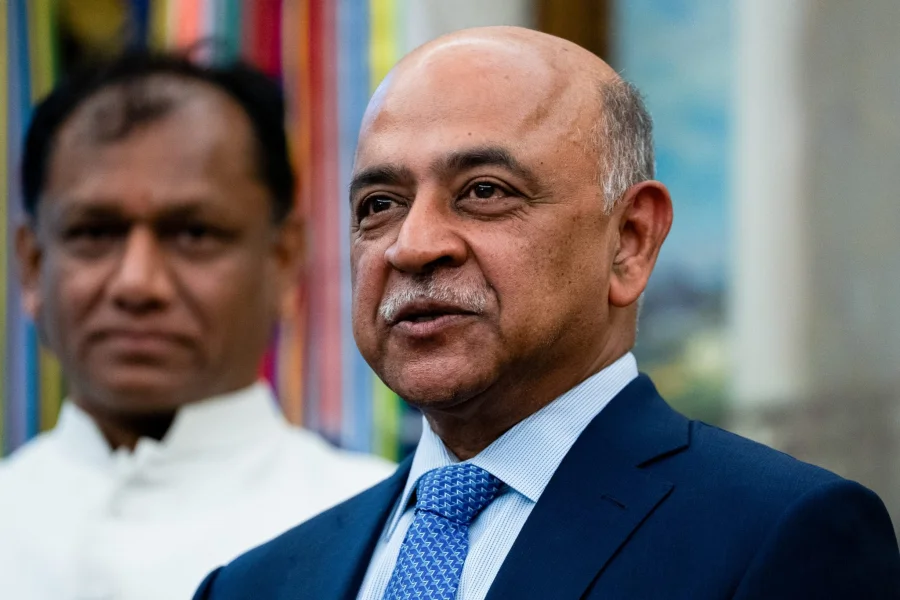
Krishna, however, sees the issue through a different lens. For a company like IBM, whose entire business is built on technology, asking employees to switch off their devices is counterintuitive. "Telling people they can't use their technology would be weird," he argued, suggesting that in larger meetings, devices can be essential for note-taking, referencing data, or collaborating in real time.
Why This Debate Matters for Every Employee Returning to the Office
This is not just a spat between two billion-dollar CEOs. It reflects a real tension for millions of workers navigating return-to-office mandates. Employees are being told to collaborate in person, yet they are also expected to stay responsive to emails and messages. Dimon's approach demands absolute presence; Krishna's approach acknowledges the reality of a connected workday.
For the average employee, the message is confusing. Is checking a quick notification a sign of disengagement, or is it efficient multitasking? The answer, according to these two leaders, depends entirely on who is running the company.
From Boardroom to Backlash: How We Got Here
The debate is the latest chapter in a longer story about workplace norms. During the pandemic, remote work made devices the primary tool for communication. Now, as companies push for a return to the office, leaders are trying to re-establish old hierarchies of attention. Dimon has been one of the most vocal advocates for in-person work, previously criticizing remote work as a model that doesn't build culture.
Krishna, while also supporting office attendance, appears more pragmatic about how work actually happens. His stance suggests that the future of meetings is not about banning technology, but about using it more intelligently.
Who Is Affected: The Real-World Impact on Productivity and Trust
For employees, this disagreement has practical consequences. In a Dimon-style culture, you risk a public reprimand for glancing at your phone. In a Krishna-style culture, you are trusted to manage your attention. The difference affects daily stress levels, job satisfaction, and even how employees perceive their leadership's trust in them.
It also impacts productivity. A blanket ban on devices can prevent employees from pulling up a critical document or answering a client's urgent query. Conversely, unlimited device use can lead to distracted meetings where no one is truly listening.
Official Responses and the Growing Leadership Divide
Neither CEO has softened their stance publicly. Dimon's comments were direct and unapologetic, framing device use as a matter of respect. Krishna's response reframes the issue as one of logic and company identity. "It would be weird," he said, pointing out the absurdity of a tech firm distrusting its own products.
This is not merely a difference in opinion; it is a difference in business philosophy. Dimon runs a bank where personal relationships and trust are paramount. Krishna runs a tech company where innovation and digital fluency are the core assets.
Analyzing the Shift: Attention as the New Corporate Battleground
At its core, this debate is about the value of attention. Dimon believes that undivided attention is the ultimate sign of respect and the foundation of good decision-making. Krishna believes that attention can be augmented by technology, not just distracted by it.
The deeper issue is that neither approach is universally right. In a high-stakes negotiation, a closed laptop signals focus. In a brainstorming session, an open laptop might be the key to capturing a fleeting idea. The most effective leaders may need to adopt a hybrid approach, setting clear norms for when devices are welcome and when they are not.
Confirmed Facts vs. What Remains Unclear in the Device Debate
What is confirmed is that both CEOs have expressed opposing views on device use in meetings. Dimon's comments were made at a public Fortune event, and Krishna's rebuttal has been widely reported. What remains unclear is how these policies are actually enforced at scale. Does JPMorgan have a formal ban, or is it an informal expectation? Does IBM encourage device use, or is it simply tolerated? The nuance of daily practice is often more complex than a public statement suggests.
Why IBM's Stance on Technology Is a Strategic Differentiator
For IBM, this stance is not just about etiquette; it is about brand identity. IBM sells technology that enables collaboration, from cloud computing to AI tools. For its CEO to suggest that these tools are a distraction would undermine the company's core value proposition. Krishna's position reinforces the idea that IBM trusts its own products to enhance human productivity, not detract from it.
Risks and Balanced View: The Case for Both Sides
Critics of Krishna's approach might argue that constant connectivity is eroding our ability to focus. They would point to studies showing that multitasking reduces performance and that even the presence of a phone can lower cognitive capacity. Supporters of Dimon would say that his rule creates a culture of respect and deep work.
On the other hand, supporters of Krishna argue that a rigid ban is outdated and ignores the reality of modern work. They would say that trust is a better motivator than fear, and that employees should be treated as adults capable of managing their own attention.
The Wider Trend: How Tech Leaders Are Redefining Workplace Rules
This disagreement is part of a broader pattern. As AI and digital tools become more integrated into every job, leaders are being forced to redefine what "work" looks like. The old rules of the office—designed for a pre-digital era—are being rewritten. Krishna's stance may signal a future where technology is seamlessly integrated into every interaction, while Dimon's stance represents a desire to preserve human-centric spaces.
Practical Guidance: How Employees Can Navigate the New Meeting Rules
For employees caught in the middle, the best strategy is to read the room. In a meeting led by a leader like Dimon, keep devices out of sight. In a more collaborative setting, use technology to add value, but be transparent about what you are doing. The key is to be intentional: if you are using a device, make it clear that you are taking notes or referencing a document, not checking social media.
Future Outlook: Will the Device Ban Become Standard Practice?
The future of meeting etiquette is likely to be a mix of both philosophies. We may see more companies adopt "device-free zones" for specific high-stakes discussions, while allowing technology in other contexts. The debate itself is healthy, forcing leaders to articulate what they value most: absolute presence or augmented productivity.
Our Take
This is a story about leadership in the age of distraction. Dimon's rule is a powerful statement about respect, but it risks alienating a workforce that has learned to work differently. Krishna's approach is more flexible, but it requires a high level of trust and self-awareness from employees. The best leaders will likely borrow from both playbooks, creating a culture where attention is valued, but technology is not demonized. The real lesson is that there is no single right answer—only the answer that works for your specific team and mission.
Frequently Asked Questions
Why does IBM CEO Arvind Krishna disagree with Jamie Dimon on meeting devices?
Krishna believes it is counterproductive for a technology company to ban its employees from using the very tools that define their work. He argues that devices can enhance productivity in meetings, making a ban "weird" for a company like IBM.
What did Jamie Dimon say about using iPads and phones in meetings?
At Fortune's Most Powerful Women summit in fall 2025, Dimon said he tells employees to "close the damn thing" if they are using an iPad or checking notifications in his presence, calling the behavior "disrespectful."
Is there a formal ban on devices at JPMorgan Chase?
While Dimon has publicly stated his expectation for full attention in meetings, it is unclear if this is a formal, written policy or an informal cultural expectation. The public statements suggest a strict norm, but the enforcement details are not fully documented.
How can employees handle the conflict between being responsive and being present in meetings?
Employees should assess their company culture and the specific meeting context. In formal or leadership-led meetings, it is safer to minimize device use. In collaborative sessions, using a device for note-taking or referencing data is often acceptable, as long as it is done transparently.