The moment a restaurant bill lands on the table, the awkward dance begins. Someone pulls out a calculator. Another person starts mentally dividing by three. Someone else wonders if they should just cover it and sort it out later. Apple's iOS 27 update appears ready to end this ritual entirely.
Visual Intelligence Enters the Payment Flow
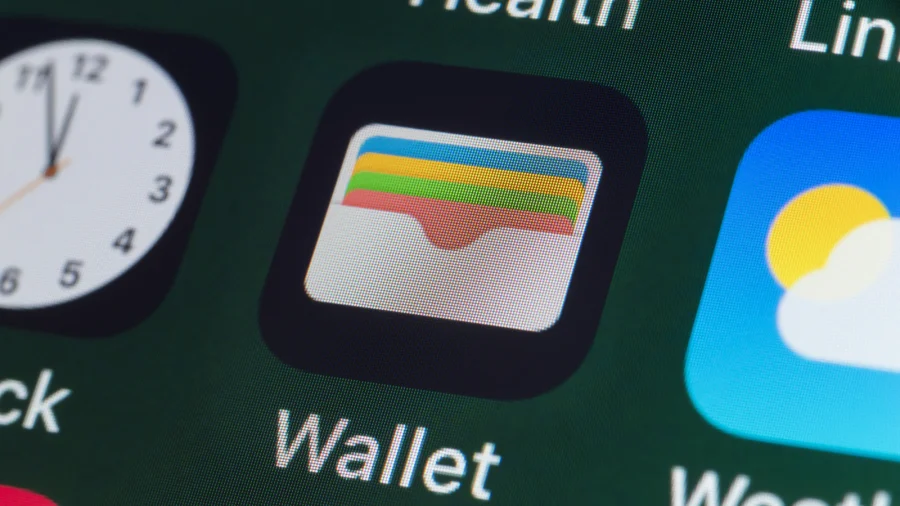
Apple's Visual Intelligence, first introduced as a camera-based recognition system, is now being integrated into Apple Wallet. The technology can identify items on a receipt, recognize who ordered what, and calculate individual shares automatically.
This moves beyond simple equal division. The system understands that one person had the steak while another ordered the salad. It can factor in taxes, tips, and even split appetizers proportionally.
Why This Update Matters for Everyday iPhone Users
For millions of Indians who regularly split meals with friends, family, or colleagues, this removes a genuine friction point. No more downloading separate apps like Splitwise for simple transactions. No more awkward rounding errors that leave someone short by eleven rupees.
The feature works entirely on-device, meaning your dining habits and payment patterns stay private. Apple's privacy architecture keeps the recognition process local rather than sending receipt data to cloud servers.
From Announcement to Reality: The iOS 27 Timeline
Apple previewed Visual Intelligence capabilities in earlier iOS iterations, but the wallet integration marks a significant expansion. The company has been steadily building its on-device machine learning infrastructure, and this update represents the practical application of years of research.
Developers will need access to new APIs to build compatible payment flows. Restaurant apps, payment gateways, and fintech platforms will likely race to integrate these capabilities once the SDK becomes available.
Who Benefits Most from Smarter Bill Management
Young professionals splitting dinner costs benefit immediately. So do families managing shared expenses, roommates tracking household purchases, and small business owners who need to separate personal and professional spending.
The pass customization angle matters equally. Users will gain more control over how boarding passes, event tickets, and loyalty cards appear in their wallet. Visual Intelligence can recognize relevant passes based on context — your location, the time of day, or upcoming appointments.
Apple's Approach to Payment Innovation
Apple has not released detailed documentation about the iOS 27 wallet changes. The company typically reveals full feature sets during WWDC, its annual developer conference. Early reports suggest the Visual Intelligence integration will be a headline feature rather than a minor addition.
Industry observers note that Apple continues to differentiate through seamless integration rather than raw feature count. The company's ecosystem advantage means wallet features work across iPhone, iPad, and Apple Watch without additional setup.
What This Means for India's Digital Payment Landscape
India's UPI ecosystem has set global standards for instant payments. Apple Wallet integration with Visual Intelligence could complement rather than compete with UPI-based solutions. The feature addresses a different problem — not how money moves, but how people decide who owes what.
For Indian users juggling multiple payment apps, the appeal lies in consolidation. Apple Wallet already stores boarding passes, movie tickets, and loyalty cards. Adding intelligent bill splitting creates a more complete financial hub.
Confirmed Details Versus What Apple Hasn't Said
What we know: Visual Intelligence exists and Apple has demonstrated its recognition capabilities. What we don't know: the exact release date for iOS 27, whether the bill-splitting feature will be available at launch or arrive later, and which countries will get the feature first.
Apple's rollout patterns suggest a staged international release. Indian users may need to wait beyond the initial US launch, though Apple has improved its India focus in recent years with local manufacturing and App Store payment reforms.
Apple's Ecosystem Advantage in Payments
Apple Wallet's strength comes from its integration across the Apple ecosystem. Face ID authentication, iCloud sync, and Apple Watch compatibility create a seamless experience that standalone payment apps cannot replicate. The company's hardware control means features like Visual Intelligence can be optimized for specific chips and camera systems.
This vertical integration creates a moat that competitors find difficult to cross. Google Wallet offers similar features but lacks the same hardware-software alignment.
Privacy Considerations and Potential Concerns
Camera-based recognition raises legitimate questions about surveillance and data collection. Apple's on-device processing addresses some concerns, but users should understand what happens to receipt images after processing. Apple's privacy policy indicates visual analysis stays on the device, but users should verify settings once the feature launches.
Battery life and processing speed also warrant attention. Advanced visual recognition requires computational resources, which could impact older iPhone models more significantly.
The Broader Shift Toward Intelligent Payments
Apple's move reflects a wider industry trend. Payment apps worldwide are adding AI-powered features — expense categorization, receipt scanning, and automated reconciliation. The differentiation lies in execution quality and privacy protection.
India's fintech sector has already embraced similar concepts through apps that scan receipts and categorize expenses. Apple's entry raises the bar for polish and integration.
Preparing for the iOS 27 Update
iPhone users should ensure their devices support the upcoming operating system. Apple typically supports devices for five to six years after release. Users should also review their wallet passes and consider which ones they actually use before customization options expand.
For those who frequently split bills, testing the feature with small transactions initially makes sense. Understanding how the system handles complex scenarios — split appetizers, shared desserts, or uneven tax distribution — will help users trust the automation.
What Comes After the Initial Release
Apple will likely refine Visual Intelligence based on user feedback. Subsequent point releases could add support for handwritten receipts, currency conversion, or integration with expense reporting tools. Business users might eventually see compatibility with accounting software.
The company's track record suggests patient iteration. Features launch in basic form and improve through updates based on real-world usage patterns.
Our Take
Apple Wallet's Visual Intelligence integration represents meaningful progress in removing friction from daily financial tasks. The feature addresses a universal pain point — splitting expenses — with Apple's characteristic focus on privacy and seamless experience.
The real test will come with execution. Visual recognition works well in demonstrations but faces challenges in real-world conditions: crumpled receipts, poor lighting, or unusual restaurant bill formats. Apple's engineering team has a strong track record, but users should approach the feature with measured expectations initially.
For Indian users, the feature's value depends on localization. Receipt formats vary significantly across Indian restaurants, and the system must handle GST breakdowns, service charges, and diverse payment conventions. Apple's investment in India suggests serious localization efforts, but the proof will emerge only after launch.
Frequently Asked Questions
How does bill splitting work in Apple Wallet with iOS 27?
Apple's Visual Intelligence uses the iPhone camera to recognize items on a receipt. The system identifies individual orders and calculates each person's share, including taxes and tips. The feature processes everything on-device for privacy.
When will iOS 27 be available for download?
Apple typically announces new iOS versions at WWDC in June, with public release in September. The exact date for iOS 27 has not been announced. Developer betas usually arrive immediately after WWDC.
Will Apple Wallet bill splitting work with UPI payments in India?
Apple has not confirmed UPI integration for the bill-splitting feature. The company has supported UPI through Apple Pay in India since 2023. Further integration details will likely emerge closer to the iOS 27 release.
Which iPhone models support Visual Intelligence in Apple Wallet?
Apple has not published device compatibility requirements. Visual Intelligence features typically require recent iPhone models with advanced neural processing capabilities. Users should expect support for iPhone 12 and newer models, based on Apple's historical pattern.