Your colleague is sneaking glances at their phone during the morning stand-up. The conference room TV is mysteriously tuned to a sports channel. And the office coffee machine has never seen such a long queue at 3 PM. The World Cup 2026 is here, and for millions of American workers, the real game is happening off the clock — or is it?
The $17 billion distraction that no employer can ignore
The numbers are staggering. Workforce management firm UKG estimates the World Cup could cost US employers a staggering $17 billion in lost productivity. With 37% of employees planning to adjust their schedules to catch matches, the traditional 9-to-5 is under siege. But here's the twist: the smartest employers aren't fighting the fever — they're prescribing it.
Why fighting the World Cup is a losing strategy
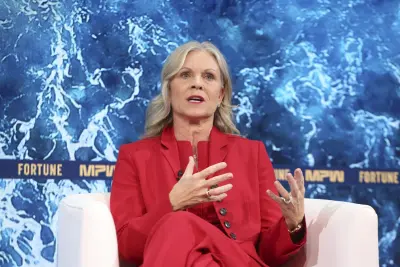
Workplace expert Andy Challenger, chief revenue officer at Challenger, Gray & Christmas, puts it bluntly: "Smart employers won't try to fight it. They'll build it into the schedule." The logic is simple. When employees are distracted, they're less productive anyway. Forcing them to choose between work and the World Cup breeds resentment, lowers morale, and can even drive talent out the door. Instead, companies that embrace the tournament are seeing a surprising payoff.
Wall Street leads the way: WFH on match days
Some of America's biggest financial institutions are already pivoting. Goldman Sachs, Citibank, and JPMorgan Chase have temporarily allowed staffers to work from home on match days. The reason isn't just employee happiness — it's practical. Traffic in host cities like New York, Los Angeles, and Chicago has become a nightmare on game days, making commutes unpredictable. By letting employees work remotely, banks keep operations running smoothly while acknowledging the reality of the moment.
Beyond WFH: Watch parties and team-building
But flexibility is just the beginning. Forward-thinking employers are turning the World Cup into an engagement opportunity. Some are hosting office watch parties for key matches, complete with snacks and team jerseys. Others are scheduling team-building activities around the tournament — think World Cup bracket challenges, trivia lunches, or even friendly inter-departmental matches. The result? A morale boost that can outlast the final whistle.
What employees really want — and what employers gain
For employees, the message is clear: they want to feel trusted. A company that allows them to watch a match without guilt is a company that respects their life outside work. For employers, the gain is retention. In a tight labor market, small gestures of flexibility can make a big difference. "The companies that embrace this are the ones employees remember," says Challenger. "It's a low-cost way to build loyalty."
Confirmed facts vs what remains unclear
Confirmed: UKG's $17 billion productivity loss estimate is based on employee surveys and scheduling data. Wall Street banks have confirmed temporary WFH policies for match days. Andy Challenger's quote is from a verified LinkedIn post and media interview. Unclear: The exact number of companies adopting watch parties or flexible schedules is not yet tracked. The long-term impact on productivity — whether the flexibility actually boosts or reduces output — remains debated among economists.
Risks and balanced view
Not every employer is on board. Critics argue that accommodating the World Cup sets a precedent for every major sporting event, from the Super Bowl to March Madness. Some worry about fairness: what about employees who don't care about soccer? Others point out that remote work on match days could still lead to distractions at home. The key, experts say, is clear communication and equal treatment — not blanket policies that favor one group over another.
A wider trend: The rise of event-driven flexibility
The World Cup strategy is part of a broader shift in workplace culture. From "Summer Fridays" to election day time off, companies are increasingly recognizing that rigid schedules don't fit modern life. The pandemic normalized remote work; now, events like the World Cup are testing how far that flexibility can stretch. If successful, this model could become a template for future global events — from the Olympics to major cultural moments.
Practical guidance for employers and employees
For employers: Survey your team to understand interest levels. Offer flexible start/end times on match days. Consider a designated viewing area in the office. Communicate policies clearly and fairly. For employees: Be upfront with your manager about your plans. Offer to make up time if needed. Use the World Cup as a chance to build camaraderie with colleagues — not to slack off.
Future outlook
As the World Cup enters its final weeks, expect more companies to announce flexible policies. The real test will come after the tournament: will these accommodations become permanent? Early signs suggest yes — at least for major events. The genie of workplace flexibility is unlikely to go back in the bottle.
Our Take
The World Cup productivity debate misses the point. The real story isn't about lost hours — it's about trust. Employers who treat their staff like adults, capable of managing their own time, are building the kind of culture that attracts and retains talent. The $17 billion figure is a distraction in itself. The smarter metric is engagement, loyalty, and the simple human truth that happy employees are productive employees. The World Cup is just the latest test of that principle.
Frequently Asked Questions
How much is the World Cup costing US employers in lost productivity?
Workforce management firm UKG estimates the 2026 World Cup could cost US employers $17 billion in lost productivity, with 37% of employees planning to adjust their schedules to watch matches.
Which companies are offering work-from-home on World Cup match days?
Wall Street banks including Goldman Sachs, Citibank, and JPMorgan Chase have temporarily allowed staff to work from home on match days to ease commute disruptions and accommodate fan enthusiasm.
What are smart employers doing to turn World Cup distraction into engagement?
Smart employers are hosting office watch parties, creating World Cup bracket challenges, offering flexible schedules, and using the tournament for team-building activities — turning a productivity drain into a morale and retention boost.
Should I let my employees watch the World Cup at work?
Workplace experts recommend embracing the event rather than fighting it. Offering flexible schedules, a designated viewing area, or clear communication about expectations can improve morale and trust without sacrificing productivity.