The signs are blunt: "Protect our water," "Water for people not AI," "Don't mess with our water." From Texas to New Mexico to Arizona, residents are pushing back against the rapid expansion of data centers — the physical backbone of the AI boom. The question at the heart of these protests is deceptively simple: how much water is AI actually using, and is it too much?
Why Data Centers Need Water in the First Place
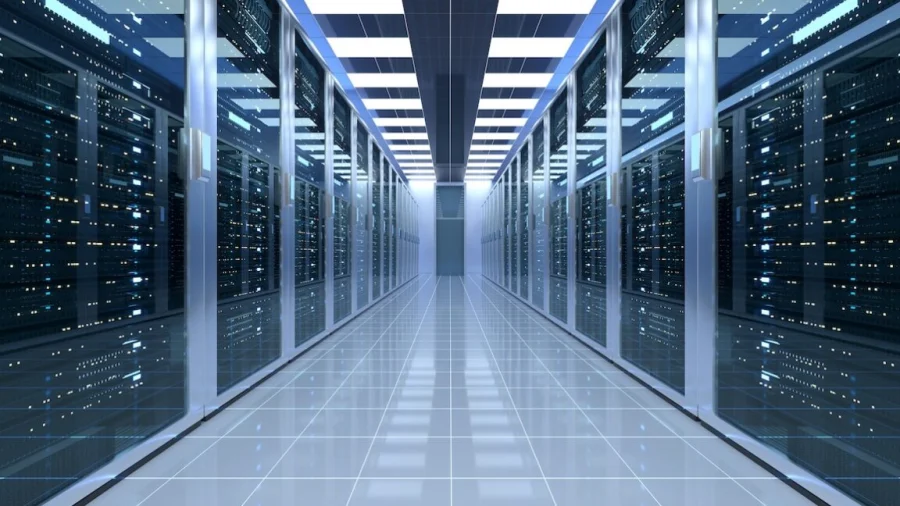
Inside every data center, thousands of processors work simultaneously to train and run AI models. These chips generate intense heat — internal temperatures can reach up to 176 degrees Fahrenheit, similar to how an overtaxed laptop heats up but on an industrial scale.
Many facilities rely at least partly on water to absorb that heat. The process works like human sweating: water evaporates from surfaces, drawing heat away and cooling the air. It is effective, but it consumes water continuously.
The Energy vs. Water Disconnect
There is little debate that data centers consume enormous amounts of electricity. But water consumption is a different story — it is more complicated, harder to measure, and varies dramatically by location and cooling technology.
Some facilities use closed-loop systems that recycle water. Others use evaporative cooling that consumes water continuously. The choice often depends on local climate, electricity costs, and the age of the facility.
Why Communities Are Angry Now
The protests are not happening in a vacuum. The American Southwest is already water-stressed, with decades of drought and competing demands from agriculture, cities, and ecosystems.
When a data center arrives, it brings jobs and tax revenue — but it also brings a new, permanent demand on local water supplies. For residents who have watched their reservoirs shrink, the sight of cooling towers running around the clock feels like a direct threat.
What the Protesters Are Actually Asking For
The signs at these protests are not anti-technology. They are anti-priority. "Water for people not AI" is a demand for transparency and fairness — a request that communities understand how much water is being used before it is committed.
Protesters want data center operators to disclose water usage, invest in water-efficient cooling, and consider locations where water is more abundant. They also want regulators to treat data centers like the industrial facilities they are, rather than allowing them to slip through with minimal oversight.
The Industry's Response So Far
Tech companies have acknowledged the concern and point to investments in water efficiency and renewable energy. Some have committed to water-positive goals — returning more water than they consume — though these pledges are often measured over long timelines and across global operations.
Critics argue that these commitments do not address the immediate, local impact. A water-positive pledge in one region does not help a community in Arizona that is watching its aquifer decline today.
Why the True Scale Is Hard to Pin Down
Part of the frustration for both sides is the lack of clear data. Energy use is metered and reported. Water use is often not tracked at the same level of detail, especially for facilities that draw from municipal supplies rather than dedicated sources.
This makes it difficult to answer the central question — how much of a problem is AI's water use? The honest answer is: it depends on where you are, what cooling system is used, and how the water is sourced.
What Is Confirmed vs. What Remains Unclear
Confirmed: Data centers are expanding rapidly across the US Southwest. They consume significant energy and use water for cooling. Local communities are protesting.
Unclear: The exact volume of water consumed by AI-specific workloads versus other data center functions. The long-term impact on local water supplies. Whether industry commitments to water efficiency will be enough to ease community concerns.
The Bigger Pattern: Tech Growth vs. Community Resources
This is not just about water. It is about how rapidly expanding technology infrastructure interacts with finite community resources. The same pattern is playing out with electricity demand, land use, and even housing in tech-heavy regions.
The AI boom is moving faster than the regulatory frameworks designed to manage its side effects. That gap is where protests are born.
What Residents and Local Officials Should Consider
For communities facing new data center proposals, the key is asking the right questions early: How much water will this facility use? What cooling technology is planned? What happens during drought years? Are there enforceable commitments to efficiency?
For residents, attending public hearings and demanding disclosure requirements can make a difference. Several states are already considering legislation to increase data center transparency.
What Happens Next
The tension is unlikely to resolve quickly. AI demand is growing, and data centers will continue to be built. But the political pressure is also mounting, and regulators are starting to pay attention.
The likely outcome is a mix: more water-efficient cooling technologies, stricter disclosure rules, and possibly limits on data center water use in the most stressed regions. The question is whether that happens fast enough to satisfy communities that are already angry.
Our Take
The water question is not a simple yes or no. AI's water use is a real problem in specific places, at specific times, and under specific conditions. The danger is treating it as either a non-issue or an existential crisis when the truth is more localized.
What is clear is that the era of data centers arriving with minimal scrutiny is over. Communities are watching, asking questions, and demanding a seat at the table. That is not anti-progress — it is accountability.
Frequently Asked Questions
How much water does AI actually use?
There is no single figure because water use varies by data center location, cooling technology, and workload. Some facilities use evaporative cooling that consumes large volumes, while others use recycled closed-loop systems. The industry does not yet have uniform reporting standards.
Why do data centers need water for cooling?
AI processors generate intense heat — up to 176°F internally. Water absorbs that heat through evaporation, similar to how sweating cools the human body. Without cooling, the chips would overheat and fail.
Are data centers using drinking water?
Many data centers draw from municipal water supplies, which is the same source used for drinking water. Some facilities use treated wastewater or recycled water, but this varies by location and local infrastructure.
Can data centers operate without water?
Yes. Air cooling and liquid cooling systems that use sealed loops can operate with minimal or zero water consumption. However, these systems are often more expensive or less efficient in hot, dry climates, which is why evaporative cooling remains common.