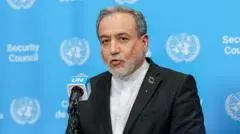
The news landed like a tremor across the Middle East: a senior Hamas official has told the BBC that the group has agreed to disarm under the Board of Peace plan announced by former President Donald Trump. For a movement defined by its armed resistance since 1987, this would be a historic reversal. But the silence from Israel speaks just as loudly as the announcement itself.
A Historic Shift or a Strategic Signal?
Hamas's reported agreement to disarm would represent a fundamental change in the group's identity and strategy. For decades, its military wing has been central to its political power and its claim to represent Palestinian resistance. The BBC report, attributed to a senior official, suggests the group is now willing to trade its arsenal for a place in a political process.
Analysts caution that such statements can be tactical — a way to gain diplomatic leverage or international legitimacy without immediate concrete action. The absence of any verified timeline or mechanism for disarmament raises questions about what this agreement actually means in practice.
Why This Moment Matters for Gaza's Future
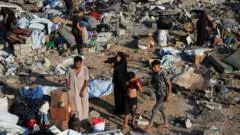
For ordinary Palestinians in Gaza, the prospect of disarmament carries both hope and anxiety. Hope that it could lead to reconstruction, an end to blockades, and a path toward statehood. Anxiety that it could leave them vulnerable without security guarantees from any external power.
The Board of Peace plan, announced by Trump, appears to offer a framework that includes disarmament as a central pillar. But the plan's details remain unclear, and its acceptance by other key players — particularly Israel and the broader international community — is far from guaranteed.
The Road to This Announcement
The timeline leading to this moment is marked by decades of conflict, failed negotiations, and shifting alliances. Hamas's armed struggle has been a defining feature of its rule in Gaza since 2007. The group has repeatedly rejected calls to disarm in previous peace initiatives, making this reported agreement all the more significant.
Trump's involvement in Middle East peace efforts is not new. His administration previously brokered the Abraham Accords, normalizing relations between Israel and several Arab nations. The Board of Peace plan appears to be a new initiative, though its precise structure and participants have not been fully disclosed.
What This Could Mean for People on the Ground
If disarmament proceeds, the immediate impact on Gaza's population could be profound. Reconstruction efforts, stalled for years, might finally gain momentum. Border crossings could open, allowing goods and people to move more freely. The daily realities of life under blockade — unemployment, shortages, restricted movement — could begin to shift.
But these outcomes depend entirely on implementation. A disarmament agreement on paper is not the same as weapons actually being handed over, verified, and destroyed. The practical logistics alone — who collects the weapons, where they are stored, how compliance is verified — remain unaddressed.
Israel's Silence and the Diplomatic Calculus
Israel's lack of comment is itself a story. In past peace initiatives, Israeli officials have typically responded quickly to Hamas statements, often with skepticism or outright rejection. The silence could indicate that Israel is assessing the proposal internally, or it could signal that Jerusalem does not take the claim seriously.
Israeli governments have historically refused to negotiate directly with Hamas, which it designates as a terrorist organization. Any peace plan that grants Hamas legitimacy through a political process would face significant domestic opposition within Israel.
Reading Between the Lines of Hamas's Move
Why would Hamas agree to disarm now? Several factors may be at play. The group has been severely weakened by recent conflicts, with its leadership depleted and its infrastructure damaged. International pressure has mounted, and the humanitarian situation in Gaza has deteriorated. Disarmament could be a survival strategy — an attempt to transition from armed resistance to political participation before further losses.
Alternatively, this could be a negotiating posture designed to extract concessions. By appearing willing to disarm, Hamas may be positioning itself to demand guarantees on Palestinian statehood, prisoner releases, or reconstruction funding.
What Is Confirmed vs. What Remains Unclear
Confirmed: A senior Hamas official has told the BBC that the group agreed to the Board of Peace plan, including disarmament.
Unclear: Israel's position, the plan's specific terms, the timeline for any disarmament process, and whether this represents official Hamas policy or the view of a single official.
Unverified: Any concrete steps toward disarmament, any verification mechanism, or any commitment from other parties to the plan.
The Board of Peace Plan — What We Know
The Board of Peace plan, as announced by Trump, appears designed to create a framework for resolving the Israeli-Palestinian conflict. Its reported inclusion of Hamas disarmament suggests a comprehensive approach that addresses one of the core obstacles to any peace agreement.
However, the plan's viability depends on factors beyond Hamas's acceptance. Israel's security concerns, the Palestinian Authority's role, regional dynamics involving Iran and other actors, and the international community's willingness to fund and monitor any agreement all remain critical variables.
Risks and the Case for Caution
There are legitimate reasons for skepticism. Previous disarmament agreements in other conflicts have often collapsed during implementation. Weapons can be hidden, factions can splinter, and spoilers can derail processes. Hamas's own history includes commitments that were not fully honored.
Critics may argue that this announcement is a public relations move rather than a genuine policy shift. Without independent verification, a clear timeline, or international monitoring mechanisms, the agreement remains a statement of intent rather than a binding commitment.
A Wider Pattern in Middle East Diplomacy
This development fits a broader pattern of shifting alliances and realignments in the Middle East. The Abraham Accords demonstrated that long-standing positions could change when strategic interests align. Regional powers have increasingly pursued pragmatic relationships over ideological ones.
If Hamas's disarmament is genuine, it could reshape the regional landscape. It would remove one of the most significant obstacles to a two-state solution and potentially open the door to broader normalization agreements.
What Should Observers Watch For Now
For those following this story, the key indicators to watch are: Israel's official response, any statement from the Palestinian Authority, reactions from other regional powers, and any concrete steps toward disarmament on the ground. The absence of these follow-up developments would suggest the announcement was more symbolic than substantive.
For Palestinians in Gaza, the immediate priority remains humanitarian relief and reconstruction. For international observers, the focus should be on whether this announcement translates into verifiable action.
What Happens Next
The coming days and weeks will be critical. Israel's response will largely determine whether this announcement leads to a genuine process or fades into another failed initiative. International mediators may attempt to build on this opening, though the lack of a clear framework complicates any immediate next steps.
Hamas's internal dynamics will also matter. The group's leadership in Gaza and its political bureau abroad may not be fully aligned on this decision. Any public disagreement within Hamas could undermine the credibility of the announcement.
Our Take
This is a significant statement, but it is not yet a breakthrough. The gap between a senior official's claim and a verified, implemented agreement is vast. The absence of Israel's response, the lack of detail on the plan's mechanics, and the absence of any independent verification all point to a situation that is fluid and uncertain.
What makes this story important is not just the announcement itself, but what it reveals about the shifting calculations of all parties involved. Hamas appears to be signaling a willingness to change its fundamental posture. Whether that signal is genuine or tactical will become clear only through actions, not words.
Frequently Asked Questions
Has Hamas actually agreed to disarm?
A senior Hamas official has told the BBC that the group agreed to the Board of Peace plan, which includes disarmament. This has not been independently verified, and Israel has not commented.
What is the Board of Peace plan?
The Board of Peace plan was announced by former President Donald Trump. Its specific terms have not been fully disclosed, but it reportedly includes Hamas disarmament as a central component.
Why would Hamas agree to disarm now?
Possible reasons include military weakening from recent conflicts, international pressure, the deteriorating humanitarian situation in Gaza, and a strategic shift toward political participation rather than armed resistance.
What happens if Israel rejects the plan?
If Israel rejects the plan, the announcement would likely have little practical effect. Any peace initiative requires Israeli participation to succeed, and Israel has historically refused to negotiate directly with Hamas.