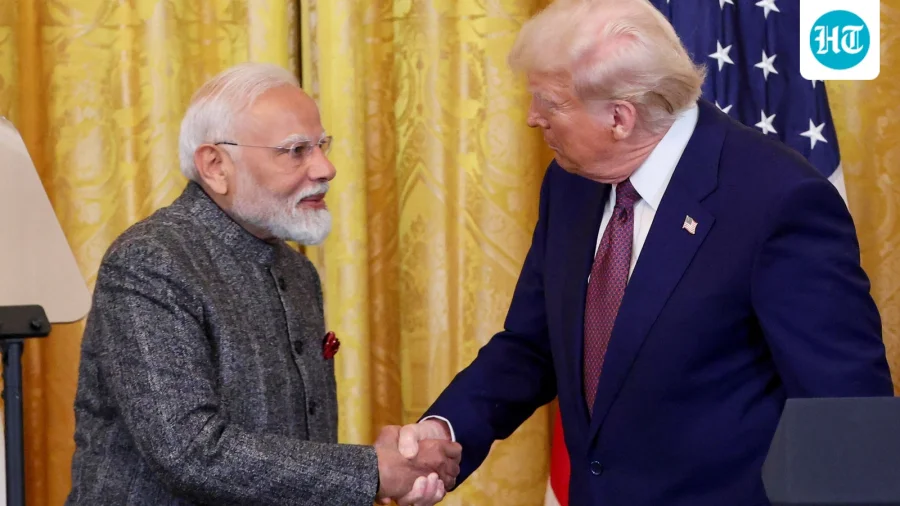
The India-US trade relationship has been in a holding pattern for months, and now the government has offered its clearest signal yet on when the interim deal might actually happen. Commerce Minister Piyush Goyal has indicated that the bilateral trade agreement (BTA) will only be finalised once a tariff structure emerges that gives India a genuine comparative advantage — not merely a politically convenient deadline.
What Goyal’s Statement Actually Means for the India-US Deal
Speaking on the ongoing negotiations, Goyal framed the timing around economic logic rather than calendar pressure. The message is straightforward: India is not willing to sign an interim agreement unless the tariff lines work in its favour. For businesses tracking the India-US trade deal, this suggests the government is prioritising protective terms for domestic industry over speed.
Why Comparative Tariff Advantage Is the Core Sticking Point
The phrase “comparative tariff advantage” is not diplomatic jargon — it is the crux of the negotiation. India wants lower US duties on its labour-intensive exports like textiles, leather, and agriculture, while the US is pushing for greater market access in sectors such as dairy, medical devices, and IT services. Until both sides see a tariff structure that balances these interests, the interim BTA remains on paper.
How We Got Here: A Timeline of India-US Trade Talks
The bilateral trade agreement has been in discussion for over a year, with multiple rounds of talks between Indian and US trade officials. The interim BTA was conceived as a bridge — a way to deliver early wins before a more comprehensive deal. However, disagreements over tariff reductions and market access have repeatedly delayed progress. Goyal’s latest remarks confirm that the bridge is still under construction.
Who Feels the Impact of a Delayed India-US Trade Deal
Indian exporters, particularly in textiles, pharmaceuticals, and engineering goods, have been waiting for tariff relief that would make their products more competitive in the US market. On the other side, American companies seeking entry into India’s agricultural and retail sectors remain equally watchful. For small and medium enterprises, every month of delay translates into continued uncertainty on pricing and market strategy.
What New Delhi Is Signaling to Washington
Goyal’s statement is also a diplomatic signal. By publicly linking the deal’s timeline to comparative advantage, India is telling the US that it will not be rushed into an unfavourable agreement. This aligns with New Delhi’s broader trade posture, which has increasingly emphasised self-reliance and protecting domestic manufacturing under the Make in India framework.
Reading Between the Lines: The Strategy Behind the Wait
Analysts interpret the minister’s language as a negotiating tactic designed to extract better terms. By refusing to commit to a date, India retains leverage. The longer the wait, the more pressure builds on both sides to offer concessions. However, this approach carries its own risk — prolonged uncertainty can deter foreign investment that might otherwise flow into India’s export sectors.
What Is Confirmed vs What Remains Unclear in the Trade Talks
What is confirmed is that the government will not finalise the interim BTA without a tariff structure that benefits Indian industry. What remains unclear is the specific sectors where India is seeking advantage, the exact tariff lines under discussion, and whether a broader deal will follow the interim agreement. No official timeline has been provided.
Why India’s Negotiating Position Matters Beyond the Deal
India’s stance in these talks reflects a larger shift in its global trade strategy. The country is increasingly willing to walk away from agreements that do not serve its economic interests. This was visible in its exit from the Regional Comprehensive Economic Partnership (RCEP) and its cautious approach to other multilateral pacts. The US deal is being treated with the same scrutiny.
The Risks of Waiting Too Long on the India-US Agreement
While a cautious approach protects domestic industry, it also has downsides. Competitors like Vietnam and Bangladesh could capture a larger share of the US market if India delays too long. Additionally, US political cycles mean that the current administration’s willingness to negotiate may not last indefinitely. The window of opportunity is not permanently open.
A Wider Pattern: India’s Evolving Trade Negotiation Style
Goyal’s comments fit a broader pattern of India engaging in trade talks with a clear-eyed, interest-first approach. Whether with the European Union, the UK, or the US, New Delhi has shown it is willing to hold out for better terms. This is a departure from earlier decades when India often signed agreements under diplomatic pressure.
What Exporters and Businesses Should Do Right Now
For businesses dependent on US trade, the practical advice is to prepare for multiple scenarios. Diversifying export markets, reviewing tariff classifications, and staying updated on sector-specific negotiation news are prudent steps. Companies should also engage with industry associations that are feeding inputs into the negotiation process.
What Happens Next in the India-US Trade Negotiations
The immediate future will likely see intensified technical-level discussions on tariff lines. If both sides can find common ground on a few key sectors, an interim deal could still be signed within the current political window. If not, the agreement may slip further, with both governments blaming the other for the delay.
Our Take
Goyal’s statement is a classic negotiation posture — firm on principle, flexible on timing. But the real test will be whether India can convert this patience into a genuinely better deal. For now, the message to Washington is clear: India will wait for the right terms, not the right date. That is a reasonable stance, but it carries the risk of missing the moment entirely if talks drag on too long.
Frequently Asked Questions
When will the India-US interim trade deal be finalised?
Commerce Minister Piyush Goyal has indicated the deal will be sealed only when a tariff structure gives India a comparative advantage. No specific date has been announced.
What is the India-US bilateral trade agreement (BTA)?
The BTA is an interim trade pact being negotiated between India and the United States to reduce tariffs and improve market access before a more comprehensive agreement is reached.
Why is India waiting on the trade deal with the US?
India wants tariff reductions that benefit its domestic industries, particularly in labour-intensive sectors. The government is unwilling to sign an agreement that does not provide this comparative advantage.
Which sectors are affected by the India-US trade talks?
Indian exporters in textiles, pharmaceuticals, and engineering goods stand to benefit from lower US tariffs. The US is seeking greater access to Indian markets in dairy, medical devices, and IT services.