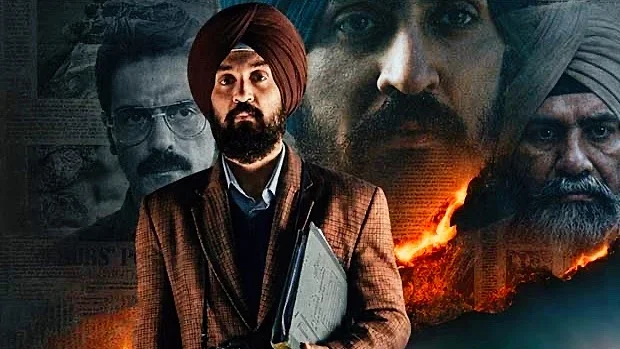
Just two days after its release on ZEE5, Diljit Dosanjh's 'Satluj' vanished from the platform for Indian viewers. Now, a government-appointed committee has reportedly recommended that the ban stay in place, citing concerns that the film undermines India's sovereignty and integrity. The decision has reignited a fierce debate over censorship, artistic freedom, and the limits of OTT regulation in India.
The committee's finding: Why 'Satluj' remains blocked
The Centre-appointed committee, formed after the Ministry of Information and Broadcasting intervened in July 2025, has examined the film's content. According to government sources, the panel found that 'Satluj' presents an "unbalanced" narrative that could threaten national security and sovereignty. The recommendation is that the film should not be made available on any OTT platform in India.
What 'Satluj' is about: The story of Jaswant Singh Khalra
Directed by Honey Trehan, 'Satluj' chronicles the life of Jaswant Singh Khalra, a human rights activist who investigated the cremation of thousands of unidentified bodies in Punjab between 1984 and 1994. Khalra was allegedly abducted and killed by the Punjab Police in 1995. The film's subject matter has made it a flashpoint in the ongoing debate about how historical events in Punjab are portrayed.
How the ban unfolded: A timeline
'Satluj' was released on ZEE5 on July 3, 2025. Within 48 hours, the Ministry of Information and Broadcasting intervened, citing security concerns and invoking the IT Rules. ZEE5 complied and removed the film for Indian viewers on July 5. The ministry subsequently constituted a panel to examine the film's content. That panel has now recommended the ban continue.
Who is affected by the ban?
The decision directly impacts millions of OTT subscribers in India who cannot access the film. It also affects the filmmakers, including Diljit Dosanjh and Honey Trehan, who have not publicly commented on the panel's recommendation. The ban has also drawn criticism from political groups like the Shiromani Akali Dal (SAD) and the Shiromani Gurdwara Parbandhak Committee (SGPC), who have slammed the government's move.
Government's stance: Sovereignty and security
Government sources have defended the committee's recommendation, arguing that the film's portrayal of events could incite unrest and undermine national unity. The Ministry of Information and Broadcasting has not issued an official statement on the panel's report, but the initial removal was justified under the IT Rules, which allow the government to block content that threatens national security.
What the committee's recommendation means for OTT regulation in India
The 'Satluj' case is being watched closely as a test of the government's power to regulate OTT content. The IT Rules, 2021, give the government broad authority to block content. This recommendation signals that the government is willing to use that power for films that touch on sensitive historical or political subjects. It also raises questions about the role of self-regulatory bodies in the OTT space.
Confirmed facts vs what remains unclear
Confirmed: The committee has recommended the ban continue. The film was removed from ZEE5 on July 5, 2025. The government cited security concerns.
Unclear: The full text of the committee's report has not been made public. The specific scenes or dialogues deemed objectionable have not been officially disclosed. The final decision by the Ministry of Information and Broadcasting is pending.
Risks and balanced view: Censorship vs security
Supporters of the ban argue that the government has a duty to prevent content that could incite violence or undermine national unity. Critics, including free speech advocates and political opponents, argue that the ban amounts to censorship of legitimate historical inquiry and artistic expression. The film's subject matter — the alleged extrajudicial killings in Punjab — remains a deeply sensitive issue, and any portrayal is likely to be contested.
Wider trend: The tightening of OTT regulation in India
The 'Satluj' ban is part of a broader pattern of increased government scrutiny of OTT platforms. In recent years, several films and web series have faced censorship or legal challenges over content deemed offensive or politically sensitive. The government has also pushed for stricter self-regulation by OTT platforms, including the establishment of grievance redressal mechanisms.
What viewers and creators should know
For viewers: 'Satluj' remains unavailable on ZEE5 in India. There is no indication of when or if it will be restored. For creators: The case underscores the risks of producing content on sensitive historical or political topics. Filmmakers may need to navigate a complex regulatory landscape, including potential government intervention.
What happens next
The Ministry of Information and Broadcasting will now review the committee's recommendation. The government could accept it, modify it, or reject it. If accepted, the ban will become permanent. The filmmakers could also challenge the decision in court, arguing that it violates freedom of speech and expression under Article 19 of the Constitution.
Our Take
The 'Satluj' case is a defining moment for OTT regulation in India. While the government's concerns about national security are legitimate, the lack of transparency around the committee's findings is troubling. Without a public report, it is impossible to assess whether the ban is proportionate. The film's subject — the alleged killings in Punjab — is undoubtedly sensitive, but banning it outright risks creating a chilling effect on historical inquiry and artistic expression. The government must balance security with transparency, and the public deserves to know the basis for such a significant decision.
Frequently Asked Questions
Why was 'Satluj' banned on OTT platforms in India?
The Ministry of Information and Broadcasting intervened, citing security concerns and invoking the IT Rules. A government-appointed committee has now recommended the ban continue, claiming the film undermines national sovereignty.
Who directed 'Satluj' and what is it about?
'Satluj' is directed by Honey Trehan and stars Diljit Dosanjh. It chronicles the life of human rights activist Jaswant Singh Khalra, who investigated the cremation of thousands of unidentified bodies in Punjab between 1984 and 1994.
Can 'Satluj' be released in India in the future?
Possibly, but only if the government accepts a different recommendation or if the filmmakers successfully challenge the ban in court. Currently, the committee has recommended the ban continue.
What does this mean for other OTT content in India?
The 'Satluj' case sets a precedent for government intervention in OTT content. It signals that films or series touching on sensitive historical or political subjects may face similar scrutiny and potential bans.