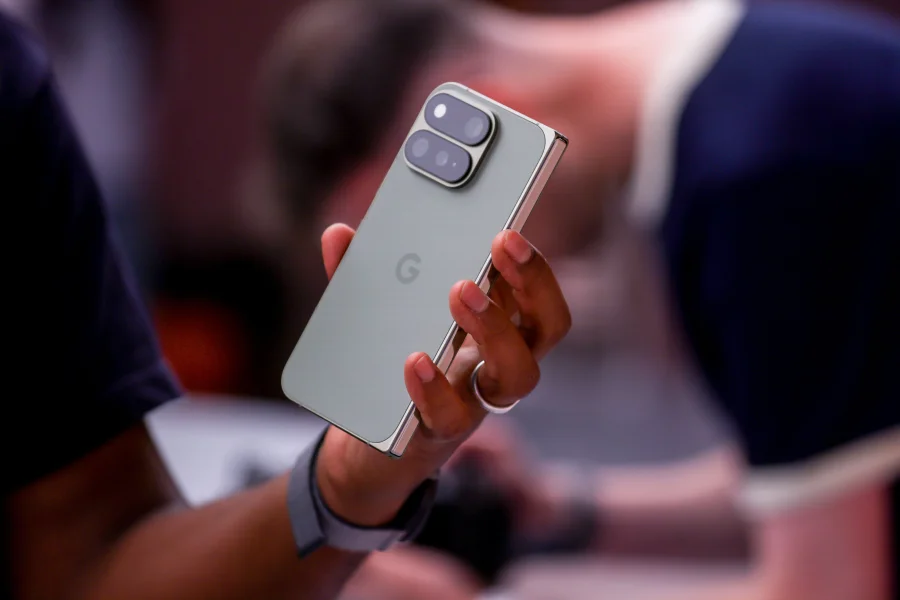
Your phone rings. You don't pick up. Not because you're busy — because Gemini already did. Google's new "Call for Me" feature, exclusive to the Pixel 11 series, lets the company's AI assistant make and manage phone calls on your behalf. It's a quiet but significant shift in what a smartphone is actually for.
What "Call for Me" Actually Does on Pixel 11
According to the original announcement, "Call for Me" gives robocalls an entirely new meaning — except this time, the robot is on your side. Instead of you dialing a number, waiting on hold, or navigating a customer service menu, Gemini handles the conversation.
The feature is built into the Pixel 11 series and is not available on older Pixel devices or other Android phones. Google has framed it as a flagship-exclusive capability, the kind of feature meant to sell hardware as much as software.
Why This Matters Beyond a Single Feature
Phone calls are one of the last truly manual tasks on a smartphone. Everything else — messages, emails, searches, photos — has been automated, filtered, or assisted by AI. Calls remained stubbornly human.
"Call for Me" changes that. For people who dread customer service queues, appointment bookings, or awkward follow-up calls, the appeal is obvious. For everyone else, it raises a harder question: do we want AI speaking for us in real conversations?
How Google Got Here
This isn't Google's first attempt at AI-assisted calling. The company previously demonstrated similar concepts — most notably the Duplex demo years ago, which showed an AI booking a hair appointment over the phone. That demo sparked both excitement and unease.
"Call for Me" appears to be the productized version of that idea, now integrated directly into Gemini and tied to Pixel 11 hardware. The difference is scale: this is no longer a demo. It's a shipping feature.
Who This Affects — and How
Pixel 11 buyers get the feature first. But the people on the other end of those calls — receptionists, support agents, small business owners — will interact with it whether they opted in or not.
That asymmetry matters. A user chooses to let Gemini call. The person answering has no such choice. How Google handles disclosure — whether the AI identifies itself — will shape how this feature is received.
What Google Has Said — and What It Hasn't
Google has confirmed the feature exists and is exclusive to Pixel 11. Beyond that, official details remain thin. The company has not publicly detailed how calls are logged, whether recordings are stored, or how recipients are informed they're speaking to an AI.
These aren't minor gaps. They're the questions regulators, privacy advocates, and everyday users will ask first.
The Real Question: Convenience vs. Consent
AI that makes calls for you is genuinely useful. AI that makes calls without the other person knowing is a different proposition entirely.
Google will need to draw a clear line. If "Call for Me" discloses itself upfront, it's a convenience tool. If it doesn't, it becomes something closer to deception — even if unintentional.
Confirmed Facts vs. What Remains Unclear
Confirmed: The feature is called "Call for Me." It runs on Gemini. It is exclusive to the Pixel 11 series.
Unclear: How calls are recorded or stored. Whether recipients are told they're speaking to AI. Whether the feature will expand to other devices. How Google plans to handle misuse or regulatory scrutiny.
Anything beyond these confirmed points is speculation at this stage.
Why Google Is Pushing This on Pixel First
Pixel has always been Google's showcase for AI. Features debut there, get refined, then trickle down — or don't. By tying "Call for Me" to Pixel 11, Google creates a reason to upgrade while testing real-world reaction.
It's also a moat play. If AI calling works well, it becomes harder to leave the Pixel ecosystem. That's the kind of lock-in hardware makers quietly aim for.
Risks Google Can't Ignore
Privacy is the obvious one. So is consent. Then there's the broader cultural discomfort with AI impersonating humans in live conversations.
Regulators in the EU and India have already shown appetite for scrutinizing AI features that interact with the public. "Call for Me" sits squarely in that zone.
The Bigger Pattern: AI Is Leaving the Screen
For years, AI lived inside apps — chatbots, search, recommendations. Now it's stepping into voice, real-time conversation, and the physical world.
"Call for Me" is part of that shift. So are AI agents that book, negotiate, and coordinate. The phone call is just the latest frontier.
What Pixel 11 Users Should Know
If you're buying a Pixel 11 for this feature, understand what you're getting: an assistant that speaks for you, not one that simply suggests what to say. Review privacy settings carefully once the feature is live. And if you're on the receiving end of an AI call, you may not know it.
What Happens Next
Expect Google to refine disclosure policies as scrutiny grows. Expect competitors — Apple, Samsung — to respond with their own versions. And expect the first real test to come not from reviewers, but from the people who pick up the phone.
Our Take
"Call for Me" is clever, useful, and slightly unsettling — often all at once. It solves a real problem: nobody enjoys making tedious calls. But it also normalizes AI speaking as us, in conversations where the other side didn't sign up for it.
The feature will live or die on trust. If Google gets disclosure right, this becomes a genuine Pixel selling point. If it doesn't, "Call for Me" becomes a case study in what happens when convenience outruns consent.
Frequently Asked Questions
What is Google's "Call for Me" feature?
"Call for Me" is a Gemini-powered feature exclusive to the Pixel 11 series that allows Google's AI assistant to make and handle phone calls on behalf of the user.
Is "Call for Me" available on older Pixel phones?
No. Based on the original announcement, the feature is exclusive to the Pixel 11 series and has not been confirmed for older Pixel devices or other Android phones.
Does the person receiving the call know they're talking to AI?
This remains unclear. Google has not publicly detailed whether "Call for Me" discloses to recipients that they are speaking with an AI assistant.
Why is Google limiting this feature to Pixel 11?
Pixel devices typically serve as Google's testing ground for new AI features. Exclusivity also gives buyers a concrete reason to upgrade to the latest hardware.
Should users be concerned about privacy with "Call for Me"?
Until Google publishes clear details on call recording, storage, and disclosure, users should treat privacy implications as an open question and review settings carefully once the feature is available.