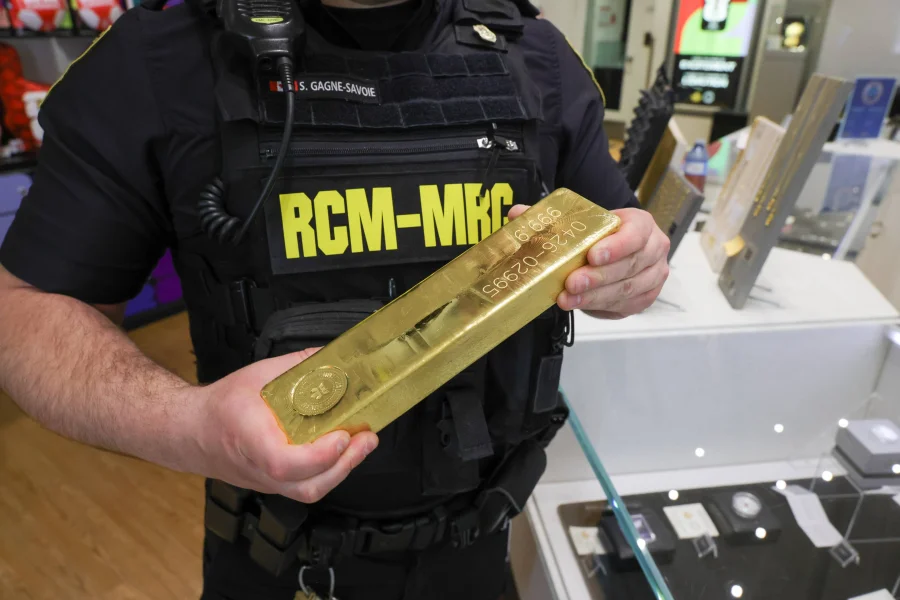
The sharp selloff in gold and silver sent shockwaves through the market, but prices are now staging a comeback. The recovery, however, has done little to calm nerves — investors remain on edge, unsure whether this is a genuine turnaround or just a temporary pause before more turbulence.
Precious Metals Rebound After Brutal Selloff
Gold and silver have clawed back some ground after a sudden and severe decline that caught many traders off guard. The rebound follows days of intense selling pressure that wiped out significant gains and raised fresh questions about the stability of the precious metals market.
Spot prices have moved higher in recent sessions, offering a glimmer of relief to those who were caught in the downturn. Yet the recovery has been uneven, with silver showing more volatility than gold as investors reassess their positions.
Why the Crash Rattled Market Confidence
The sudden drop was not just about price movement — it shook the confidence of investors who had piled into gold and silver as safe-haven assets. When those assets fall sharply, it challenges the very reason many people bought them in the first place.
For everyday investors, the crash was a stark reminder that even "safe" investments carry risk. For institutional players, it raised concerns about liquidity and the depth of the market during periods of stress.
How the Situation Developed
The decline came after a period of strong gains, during which gold and silver attracted significant attention from both retail and institutional buyers. The rapid ascent left the market vulnerable to a correction, and when selling began, it accelerated quickly.
While the exact triggers remain unclear, a combination of profit-taking, shifting economic expectations, and technical selling pressure likely contributed to the sharp move lower. The speed and severity of the drop amplified the sense of unease among market participants.
Who Is Feeling the Pressure
Retail investors who bought near the highs are feeling the most pain, watching their holdings lose value in a matter of days. Jewelry buyers and small-scale savers, who often view gold as a store of value, are also watching the swings with concern.
On the other side, traders who positioned for volatility may have benefited from the crash. But for the broader market, the episode has created an atmosphere of caution that is likely to persist.
What Market Watchers Are Saying
Analysts and traders are divided on what comes next. Some believe the rebound signals that the worst is over, pointing to renewed buying interest at lower price levels. Others warn that the market remains fragile and could see another leg down if economic conditions shift.
Without official statements from central banks or regulatory bodies, much of the current movement is being driven by sentiment and technical factors. That leaves investors relying on market signals rather than clear guidance.
Reading the Signals Behind the Recovery
The bounce in gold and silver prices could be interpreted in several ways. It may reflect genuine demand returning to the market, or it could be a short-covering rally — where traders who bet against the metals are forced to buy back positions, temporarily pushing prices higher.
Distinguishing between the two is critical for investors trying to decide whether to re-enter the market or stay on the sidelines. The coming sessions will likely provide more clarity.
Confirmed Facts vs What Remains Unclear
What is clear: Gold and silver experienced a sharp decline followed by a partial recovery. Investor sentiment remains cautious, and volatility is elevated.
What remains unclear: The precise triggers of the crash, the durability of the rebound, and whether further price swings are ahead. Market watchers are still piecing together the full picture.
Risks and the Case for Caution
The biggest risk for investors is assuming that the recovery is permanent. Precious metals markets can be unpredictable, and the factors that drove the crash — whatever they were — could resurface.
There is also the risk of opportunity cost. Money tied up in volatile metals could be deployed elsewhere, and the emotional toll of watching prices swing can lead to poor decision-making. A balanced approach is essential.
A Pattern of Growing Market Volatility
This episode fits a broader trend of increased volatility across financial markets. From equities to commodities, investors are navigating an environment where sharp moves in either direction have become more common.
For precious metals specifically, the crash and rebound highlight how quickly sentiment can shift. It also underscores the importance of understanding the forces that drive gold and silver prices, rather than relying on past performance.
What Investors Should Consider Now
For those holding gold or silver, the key is to avoid panic-driven decisions. Assess your investment horizon and risk tolerance before making any moves. For those considering entering the market, waiting for clearer signals may be prudent.
Diversification remains a cornerstone of sound investing. Precious metals can play a role in a balanced portfolio, but relying on them exclusively — especially in volatile conditions — carries significant risk.
What Could Happen Next
The near-term path for gold and silver will depend on a range of factors, including economic data, currency movements, and investor sentiment. If the rebound holds, prices could stabilize and gradually recover. If not, further declines are possible.
Investors should brace for continued uncertainty. The market is likely to remain sensitive to news and shifting expectations, making patience and careful observation more valuable than ever.
Our Take
The gold and silver crash was a wake-up call for investors who had grown comfortable with rising prices. The rebound offers relief, but it does not erase the underlying fragility that the selloff exposed.
This story matters because it touches on a fundamental truth about investing: markets can turn quickly, and even the most trusted assets are not immune to sudden shocks. For now, the wisest approach is caution — and a clear-eyed view of the risks that remain.
Frequently Asked Questions
Why did gold and silver prices crash?
The exact triggers are not fully confirmed, but a combination of profit-taking, shifting economic expectations, and technical selling pressure likely contributed to the sharp decline.
Are gold and silver prices recovering?
Yes, prices have rallied off the lows, but the recovery is partial and uneven. Silver has shown more volatility than gold, and investors remain cautious about the sustainability of the rebound.
Should I buy gold or silver now?
It depends on your investment goals and risk tolerance. Given the current volatility, waiting for clearer market signals and maintaining a diversified portfolio may be the safer approach.
Is gold still a safe-haven investment?
Gold is traditionally viewed as a safe-haven asset, but this episode shows it is not immune to sharp declines. It can still play a role in a diversified portfolio, but it carries risks like any other investment.