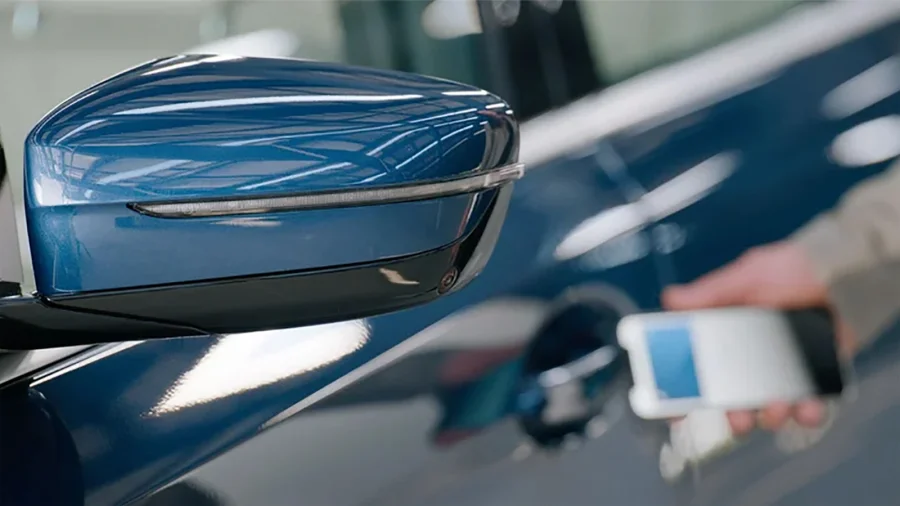
Imagine walking up to your car, phone in hand, ready to drive — and nothing happens. The screen is black. The battery gave out hours ago. Your car, which now relies on that phone as its key, won't unlock. This is the reality many owners discover only after they've fully embraced the digital key revolution.
The Convenience Trap: When Your Phone Becomes Your Only Key
Digital car keys — accessed through automaker apps or stored in Apple Wallet and Google Wallet — have become a standard feature on many new vehicles. The pitch is simple: your phone replaces the physical key, offering seamless entry and ignition. But the convenience comes with a hidden dependency that many drivers don't fully consider until it fails.
Your car's accessibility now hinges on a device that can run out of power, break, get lost, or be stolen. A physical key has no battery to drain. Your phone does — often at the worst possible moment.
Dead Phone, Locked Car: The Battery Failure Problem
The most immediate downside is battery dependency. Most digital key systems require your phone to have sufficient charge to communicate with the vehicle via Bluetooth, NFC, or ultra-wideband. If your phone dies, you're locked out — unless you've planned ahead.
Some automakers offer a backup method, like a PIN code on the door handle or a physical key hidden in the fob. But these workarounds vary by brand and model, and not all drivers know they exist until they need them.
Security Risks: Digital Keys Can Be Hacked
Security researchers have demonstrated that some digital key systems are vulnerable to relay attacks, where thieves intercept and amplify the signal between your phone and your car to unlock it without your knowledge. While automakers are improving encryption and adopting ultra-wideband technology — which is more resistant to relay attacks — no system is completely foolproof.
There's also the risk of phone theft. If your phone is stolen and the thief can access your digital key app, they may be able to locate and drive away with your car. Physical keys can be stolen too, but they don't contain your entire digital identity.
Software Glitches and App Failures
Digital keys depend on software — and software fails. App updates can introduce bugs, Bluetooth connections can drop, and server outages at the automaker can temporarily disable remote features. These are not hypothetical scenarios; they're documented issues reported by owners across multiple brands.
When a software glitch locks you out, you can't simply call a locksmith with a traditional key code. You may need to wait for roadside assistance, contact the dealership, or rely on a backup plan you may not have set up.
Compatibility and Sharing Complications
Digital keys are often tied to a specific phone and account. If you switch phones, you need to re-pair the key. If you sell the car, you must properly delete your digital key — a step some owners forget, leaving their digital access active for the next owner.
Sharing a digital key with family members or friends can also be complicated. While many systems allow you to send virtual keys, the process varies by brand, and some require both parties to have compatible devices and accounts. In a rental car scenario, setting up a digital key can be a frustrating, time-consuming process — or simply not supported.
What Happens When You Sell or Trade Your Car?
Resale introduces another layer of complexity. The new owner needs to set up their own digital key, which requires the previous owner to remove theirs. If this step is skipped, the previous owner may retain digital access to the vehicle — a privacy and security concern that many buyers don't think to check.
Dealerships are becoming more aware of this issue, but the process is not yet standardized across the industry.
Confirmed Facts vs What Remains Unclear
Confirmed: Digital car keys depend on phone battery and software, creating new failure points. Security researchers have demonstrated relay attacks on some systems. Automakers recommend keeping physical backups.
Unclear: The long-term security of digital key systems as hacking techniques evolve. The reliability of various brands' implementations over time. Whether the industry will eventually eliminate physical keys entirely.
Why Automakers Are Pushing Digital Keys Anyway
For automakers, digital keys are not just about convenience — they're a strategic move. Digital keys enable new business models: usage-based insurance, subscription features, and direct communication with owners. They also reduce manufacturing costs by eliminating physical key hardware.
This is why the industry is investing heavily in the technology despite the downsides. The business case is compelling, even if the consumer experience isn't always perfect.
Risks and Balanced View: Convenience vs Reliability
Supporters argue that digital keys are more convenient, harder to lose than physical keys, and can offer enhanced security features like biometric authentication. They point to the fact that most people carry their phones everywhere anyway.
Critics counter that the technology introduces unnecessary complexity and new failure modes. A physical key is simple, reliable, and doesn't require a battery, software update, or cellular connection. For many drivers, the trade-off isn't worth it.
The Wider Trend: The Shift to Phone-Centric Mobility
Digital car keys are part of a broader movement toward phone-centric living. From boarding passes to hotel room keys to payment systems, the phone is becoming the single device that manages our daily interactions. Cars are just the latest addition to this ecosystem.
This trend is unlikely to reverse. But it raises important questions about resilience and redundancy. When one device controls so many aspects of our lives, what happens when it fails?
Practical Guidance: What Drivers Should Do Now
If you own a vehicle with digital key capability — or are considering one — here's what to keep in mind:
Always carry a physical backup key, even if you primarily use your phone. Set up any backup PIN or alternative access method your vehicle offers. Keep your phone charged, especially on long trips. Understand how to remove your digital key before selling the car. And test your backup methods before you actually need them.
Future Outlook: Where Digital Key Technology Is Headed
Ultra-wideband technology is expected to become the standard, offering more precise and secure communication between phone and car. This will reduce relay attack risks and improve the overall experience. Some automakers are also exploring biometric options, like fingerprint or facial recognition, as additional layers of security.
But even with these improvements, the fundamental dependency on a powered, functioning phone will remain. The question is whether automakers will continue to offer physical backup options — or eventually phase them out entirely.
Our Take
Digital car keys are a genuine innovation, but they're not a pure upgrade. They trade a simple, reliable physical object for a complex digital system with new vulnerabilities. The convenience is real — but so are the risks.
The smart approach is to treat the digital key as a convenience feature, not a replacement for the physical key. Keep both. Understand the limitations. And never assume technology will work perfectly every time. The car that won't unlock because your phone died isn't a rare edge case — it's a design flaw that the industry hasn't fully solved.
Frequently Asked Questions
What happens if my phone battery dies and I only have a digital car key?
If your phone is dead and you have no physical backup, you may be locked out of your vehicle. Some cars offer a backup PIN code on the door handle or a hidden physical key in the fob, but this varies by brand and model. Always carry a physical backup key.
Can digital car keys be hacked?
Security researchers have demonstrated relay attacks on some digital key systems, where thieves intercept and amplify the signal to unlock the car. Newer ultra-wideband technology is more resistant to these attacks, but no system is completely foolproof.
Do I need to carry a physical key if I use a digital car key?
It's strongly recommended. A physical key serves as a reliable backup in case your phone battery dies, the app malfunctions, or the system experiences a software glitch. Automakers generally recommend keeping a physical backup.
Can I share my digital car key with family members?
Most digital key systems allow you to share virtual keys with others, but the process varies by brand. Both parties typically need compatible devices and accounts. Check your automaker's app for specific instructions.