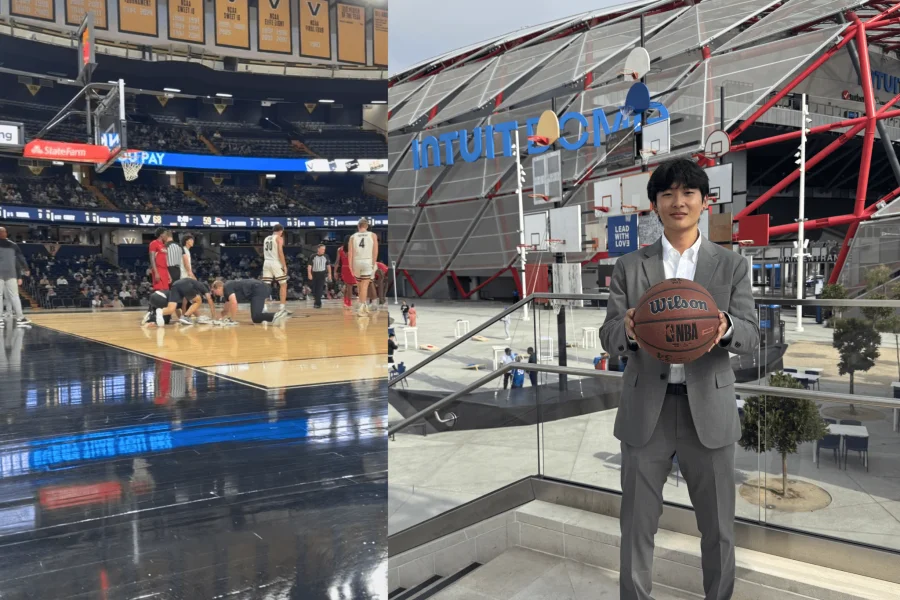
At 19, most college students are worried about grades, social life, or landing any job at all. One Gen Zer decided to bet on something far less glamorous: a year of washing sweaty jerseys, socks, and mopping locker room floors for his college basketball team. His peers laughed at the time. Now he's the one laughing — as one of the youngest interns ever at the NBA's LA Clippers.
A Jersey-Washing Strategy That Beat 4 Million Unemployed Peers
With more than 4 million Gen Zers unemployed and AI continuing to eliminate entry-level roles, a degree alone no longer opens doors. In professional sports — where even unpaid positions attract hundreds of applicants — standing out requires something beyond a polished resume.
This student's answer was simple: prove passion through action, not words. For a full year, he handled the dirtiest jobs on his college basketball team — washing uniforms, cleaning gear, mopping floors. It wasn't glamorous. It wasn't paid. But it demonstrated something no cover letter could: genuine commitment.
Why Grunt Work Became the Ultimate Resume Builder
In industries like sports management, hiring managers look for people who understand the reality behind the glamour. Anyone can say they love basketball. Few are willing to scrub sweat-stained jerseys to prove it.
His willingness to do the unglamorous work signaled exactly what NBA organizations want — humility, work ethic, and a deep understanding that success in sports is built on behind-the-scenes effort. That's the kind of signal that separates a candidate from thousands of others with similar GPAs.
The Mocking Peers and the Last Laugh
According to the original story, his peers mocked him during that year of grunt work. They saw it as beneath him — a waste of time when he could have been networking or building a more traditional resume.
But the student understood something they didn't: in a hyper-competitive market, conventional approaches produce conventional results. His unconventional bet — trading a year of dignity for a lifetime of opportunity — was a calculated risk that paid off spectacularly.
What This Means for Gen Zers Facing a Brutal Job Market
For the 4 million unemployed Gen Zers competing for shrinking entry-level opportunities, this story offers a counterintuitive lesson. When everyone is polishing their resumes and collecting certificates, the candidate willing to do the unglamorous work stands out precisely because it's rare.
It's not about humiliation — it's about demonstrating commitment in a way that's undeniable. Anyone can claim passion in an interview. Few can point to a year of washing jerseys as proof.
How the LA Clippers Internship Became Reality
The transition from college locker room to NBA organization didn't happen by accident. The student's year of dedication built a track record that his college coaches and teammates could vouch for. When the opportunity at the LA Clippers arose, he had something more valuable than connections — he had proof.
His age makes the achievement even more notable. At 19, he's among the youngest interns the organization has ever brought on board, suggesting his potential was recognized early.
Confirmed Facts vs What Remains Unclear
Confirmed: A 19-year-old college student spent a year washing his basketball team's clothes and mopping floors. He has secured an internship with the NBA's LA Clippers. His peers mocked him during that year.
Unclear: The student's name, his specific college, the exact duration of the internship, and whether it's paid or unpaid have not been disclosed in the available information. The precise path from college team manager to Clippers intern also remains unspecified.
Why the LA Clippers Internship Matters Beyond One Student
This story isn't just about one lucky 19-year-old. It's a signal about how the entry-level job market is evolving. As AI compresses traditional career ladders, demonstrated commitment and real-world grit are becoming more valuable than credentials alone.
For the LA Clippers, hiring someone who proved themselves through unglamorous work suggests they value character and work ethic over pedigree — a philosophy that could shape how they evaluate future candidates.
Risks and the Other Side of the Story
Not everyone can afford to spend a year doing unpaid grunt work. This strategy carries real risks — financial strain, delayed career progression, and no guarantee of payoff. For every student who lands an NBA internship this way, many others invest similar effort without the same outcome.
Critics might also argue that glorifying this approach normalizes unpaid labor and exploitation of young workers. The student's success doesn't erase the systemic issues that force Gen Zers into such extreme measures in the first place.
The Bigger Pattern: Gen Z's Fight for Entry-Level Opportunities
This story fits a broader trend of young workers going to extraordinary lengths to break into competitive industries. From unpaid internships to portfolio-building side projects, Gen Zers are adapting to a job market where traditional pathways have collapsed.
The AI-driven elimination of entry-level roles has only intensified this pressure. Young workers aren't just competing with each other — they're competing with automation for the same opportunities.
Practical Lessons for Aspiring Sports Professionals
For students hoping to break into professional sports, this story offers a clear playbook: identify the unglamorous work that others avoid, do it exceptionally well, and let your actions speak louder than your resume. Build relationships with coaches and mentors who can vouch for your character when opportunities arise.
But also be strategic. Not all grunt work leads to NBA internships. Choose opportunities that put you in proximity to decision-makers and demonstrate skills relevant to your target role.
What Happens Next for the Youngest Intern
The internship with the LA Clippers could open doors to a permanent position in sports operations, management, or player development. At 19, he has a significant head start in an industry where experience is everything.
Whether he converts this into a long-term NBA career will depend on how he performs during the internship — but his track record suggests he understands what it takes to succeed.
Our Take
This story is equal parts inspiring and uncomfortable. It celebrates a young man's determination while quietly highlighting how desperate the entry-level job market has become. The fact that washing jerseys for a year is now considered a smart career strategy says as much about the economy as it does about the student's work ethic.
For every success story like this, there are thousands of equally dedicated young people whose gambles didn't pay off. The system that forces such extreme measures deserves scrutiny, even as we applaud those who beat it.
Frequently Asked Questions
Who is the 19-year-old NBA intern who washed jerseys?
The student's name has not been publicly disclosed in available information. He is a 19-year-old college student who spent a year washing his college basketball team's clothes and mopping floors before securing an internship with the NBA's LA Clippers.
How did washing jerseys help him get an NBA internship?
His year of grunt work demonstrated genuine passion and work ethic to decision-makers. In a competitive market where everyone claims passion, his actions provided undeniable proof — something no resume or interview could match.
Is the LA Clippers internship paid or unpaid?
The compensation details of the internship have not been disclosed in available information. NBA internships vary in structure, with some offering stipends and others providing academic credit or experience only.
What does this story say about Gen Z unemployment?
With over 4 million Gen Zers unemployed and AI eliminating entry-level roles, young workers are taking extreme measures to stand out. This story illustrates how traditional credentials are no longer sufficient in competitive industries.