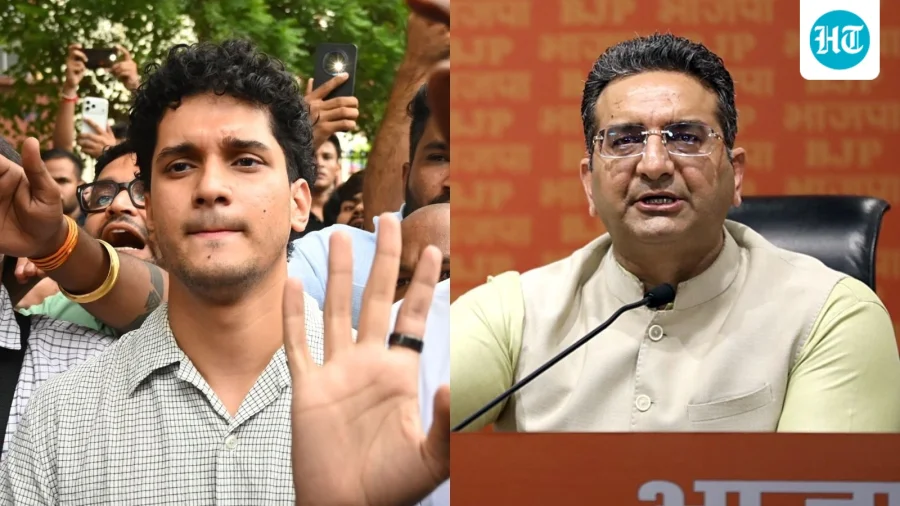
The political confrontation between BJP spokesperson Gaurav Bhatia and leaders of the CJP has moved from public statements to the courtroom. Bhatia has filed a ₹2 crore defamation case, signalling that the war of words now carries legal consequences. The move raises the stakes in an already tense exchange, with both sides digging in for what could be a protracted legal battle.
BJP Spokesperson's Legal Move: The ₹2 Crore Defamation Filing
Gaurav Bhatia, a prominent BJP spokesperson and lawyer, has initiated a defamation suit seeking ₹2 crore in damages against leaders of the CJP. The filing marks a significant escalation, transforming a political dispute into a formal legal matter. Bhatia, known for his sharp legal acumen, has framed the case as a pursuit of truth through judicial process.
Why This Legal Battle Matters for Political Discourse
This defamation case underscores a growing trend of political figures turning to courts to settle scores. For the public, it raises questions about the boundary between free speech and defamation in political debate. The outcome could set a precedent for how political statements are scrutinised, potentially influencing how leaders communicate in the future.
The 'Greater Noida Court' Quip: Saurav Das Fires Back
CJP leader Saurav Das responded to the lawsuit with a sarcastic remark about a 'Greater Noida court', seemingly questioning the choice of jurisdiction or the seriousness of the case. The quip adds a layer of political theatre to the legal proceedings, suggesting that the CJP intends to fight the case in the court of public opinion as much as in the judicial system.
Who Are the Key Figures in This Dispute?
Gaurav Bhatia is a well-known face of the BJP, often appearing on news debates as a legal and political commentator. The CJP, or Common Justice Party, is a political entity whose leaders have been in conflict with Bhatia. Saurav Das emerges as a vocal figure within the CJP, now directly involved in this legal spat. The personal nature of the exchanges suggests deep-seated animosity.
What Gaurav Bhatia Said About the 'Test of Truth'
In a statement accompanying the legal filing, Bhatia asserted that the "test of truth will take place where it should - in the court." This statement frames the lawsuit not merely as a demand for damages, but as a principled stand to vindicate his reputation. It signals his confidence in the judicial process and his willingness to let evidence, rather than rhetoric, decide the matter.
Analysing the Legal Strategy Behind the ₹2 Crore Claim
The choice of a ₹2 crore claim is notable. In defamation law, the quantum of damages often reflects the perceived harm to reputation and the financial standing of the plaintiff. By seeking a substantial sum, Bhatia is signalling the seriousness of the alleged defamation. Legal experts would note that such cases often hinge on proving malice and actual damage, which can be challenging in political contexts.
Confirmed Facts vs What Remains Unclear in the Case
What is confirmed is that Bhatia has filed a defamation case and that Saurav Das has responded with a sarcastic remark. What remains unclear are the specific statements that allegedly constitute defamation, the exact court where the case has been filed, and the timeline for hearings. Until official court documents are public, the full scope of the allegations remains speculative.
Political Fallout: How This Could Affect BJP and CJP Relations
This legal action is likely to further sour relations between the BJP and the CJP. For the BJP, it reinforces Bhatia's role as a combative spokesperson willing to use legal tools. For the CJP, it presents an opportunity to portray itself as a victim of political intimidation. The case could become a rallying point for both sides, intensifying political rhetoric in the run-up to future elections.
Risks and Balanced View: The Challenges of Defamation Lawsuits
Defamation cases are notoriously difficult to win, especially for public figures. Bhatia will need to prove that the statements were false, defamatory, and made with malice. The CJP leaders may argue that their statements were fair comment on a public figure's actions. There is also the risk of the case being seen as an attempt to silence legitimate political criticism, a concern that courts often weigh carefully.
The Wider Trend: Politicians Increasingly Turning to Courts
This case fits a broader pattern of Indian politicians using defamation laws to counter political attacks. From Rahul Gandhi's conviction in a defamation case to numerous civil suits filed by leaders across parties, the courtroom has become an extension of the political battlefield. This trend raises important questions about the health of democratic debate and the role of the judiciary in political disputes.
Practical Guidance: What to Watch in the Coming Weeks
For those following this case, the key developments to monitor are the court's response to the filing, any interim orders, and the formal response from the CJP leaders. The case is likely to see multiple hearings, with legal arguments focusing on the technical aspects of defamation law. Observers should also watch for any out-of-court settlement attempts, which are common in such high-profile disputes.
Future Outlook: What Could Happen Next in This Legal Saga
The immediate future will see the court issuing notices to the CJP leaders, who will then have to file their responses. The case could take months or even years to resolve, depending on the complexity of the arguments. A possible outcome is a settlement, but given the heated exchanges, both sides may prefer a judicial verdict. The political implications will continue to unfold alongside the legal process.
Our Take
This defamation case is more than a personal feud between a BJP spokesperson and CJP leaders; it is a reflection of the increasingly litigious nature of Indian politics. While Bhatia's move to seek judicial clarity is his right, the use of defamation laws in political contexts often invites debate about freedom of expression. The 'Greater Noida court' quip from Saurav Das indicates that the CJP will not back down quietly. As the case progresses, it will test not only the legal arguments but also the resilience of political speech in a democracy. The courts will ultimately decide, but the public discourse around this case will be shaped by the very statements that led to the lawsuit.
Frequently Asked Questions
What is the Gaurav Bhatia defamation case about?
BJP spokesperson Gaurav Bhatia has filed a ₹2 crore defamation case against leaders of the CJP. The case stems from alleged defamatory statements made by CJP leaders against him. Bhatia has stated that the "test of truth will take place where it should - in the court."
Who is Saurav Das and what did he say about the case?
Saurav Das is a leader of the CJP who has been named in the defamation case. He responded to the lawsuit with a sarcastic 'Greater Noida court' quip, seemingly questioning the jurisdiction or seriousness of the legal action taken by Gaurav Bhatia.
Why is Gaurav Bhatia seeking ₹2 crore in damages?
The ₹2 crore figure likely represents the perceived damage to Bhatia's reputation as a public figure and lawyer. In defamation cases, the amount claimed often reflects the plaintiff's standing and the seriousness of the alleged defamation, though the final award, if any, is determined by the court.
What happens next in the defamation case?
The court will likely issue notices to the CJP leaders, who must then file their formal responses. The case will proceed through hearings where both sides will present legal arguments. The timeline for resolution is uncertain and could extend over many months.