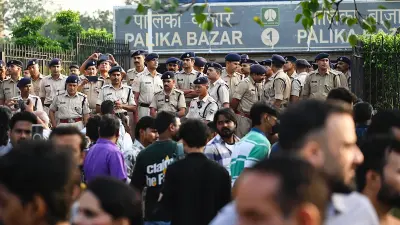
A Tuesday evening routine at a busy food stall in central Delhi turned into a moment of panic when an LPG cylinder exploded, leaving four people injured. The blast, which occurred in a densely populated area, sent a wave of shock through the neighborhood and raised immediate questions about safety protocols at the city’s countless street-side eateries.
Blast at a Busy Food Stall in Central Delhi
The explosion took place at a food stall in the heart of central Delhi. While the exact location is still being confirmed by authorities, initial reports suggest the stall was operational and serving customers when the cylinder burst. The sound of the blast drew a crowd, and emergency services were called to the scene within minutes.
Why This Incident Matters for Delhi Residents
This is not an isolated event. LPG cylinder blasts at food stalls and small eateries are a recurring hazard in Indian cities, often leading to severe burns and structural damage. For residents of central Delhi, this incident is a stark reminder of the risks that exist in the everyday spaces they frequent. It underscores the urgent need for stricter safety compliance and regular inspections of cooking gas equipment in commercial food establishments.
Emergency Response and Hospitalization
Police and fire department teams arrived promptly at the site. The four injured individuals were quickly extracted from the area and rushed to a nearby hospital. Their current medical condition has not been officially disclosed, but sources indicate they are receiving treatment for burn injuries and trauma. The area around the stall has been cordoned off to prevent any secondary accidents.
What Police Have Confirmed and What Remains Unclear
Officials have confirmed that an LPG cylinder blast was the cause of the incident and that four people sustained injuries. However, several key details remain under investigation. The exact cause of the leak or explosion—whether due to equipment malfunction, human error, or a faulty cylinder—has not been determined. The identities of the injured and the owner of the stall are also yet to be officially released.
Safety Concerns and the Need for Better Oversight
This blast brings the spotlight back on the safety of LPG usage in Delhi’s informal food sector. Many stalls operate in cramped, poorly ventilated spaces with aging cylinders and unregulated connections. Critics argue that a lack of routine inspections and enforcement of safety norms puts both workers and customers at risk. This incident could prompt local authorities to review licensing and safety checks for street food vendors.
A Wider Pattern of LPG Accidents in the City
Delhi has witnessed several LPG-related accidents in recent years, from residential blasts to fires in commercial kitchens. Each incident highlights a common thread: the need for public awareness about cylinder handling and the importance of using certified equipment. This latest blast in central Delhi adds to a growing list of cases that demand systemic action rather than piecemeal responses.
What Residents and Vendors Should Know Now
For food stall owners, this is a critical moment to inspect their own equipment. Checking for expired cylinders, ensuring proper ventilation, and installing safety valves can prevent similar tragedies. For the public, being aware of the condition of the stalls they visit and reporting any obvious gas leaks to authorities can make a difference. The Delhi Police and fire department are expected to issue safety advisories in the coming days.
What Happens Next
The investigation is ongoing. Officials will likely examine the damaged cylinder and interview witnesses to piece together the sequence of events. A formal report is expected to be released once the probe is complete. Depending on the findings, legal action may be taken against the stall owner if negligence is established. The health of the four injured individuals remains the immediate priority.
Our Take
This incident is a preventable tragedy that repeats itself too often. While the injuries in this case are not life-threatening based on initial reports, the potential for a far worse outcome is clear. The focus must now shift from reaction to prevention. A city-wide safety audit of LPG usage in food stalls, combined with public awareness campaigns, could save lives. Until then, every cylinder in a crowded market remains a potential hazard.
FAQs
What caused the LPG cylinder blast in central Delhi?
The exact cause is still under investigation. Preliminary reports indicate a gas leak from the cylinder at a food stall led to the explosion. Officials are examining whether it was due to equipment failure or mishandling.
How many people were injured in the Delhi food stall blast?
Four people were injured in the incident. They were taken to a nearby hospital for treatment. Their current medical condition has not been officially confirmed.
Where did the LPG cylinder blast take place?
The blast occurred at a food stall in central Delhi. The specific location is being verified by authorities as part of the ongoing investigation.
What safety measures can prevent LPG cylinder blasts at food stalls?
Regular inspection of cylinders and hoses, ensuring proper ventilation, using ISI-marked equipment, and installing safety valves can significantly reduce the risk. Vendors should also be trained in basic gas leak response.