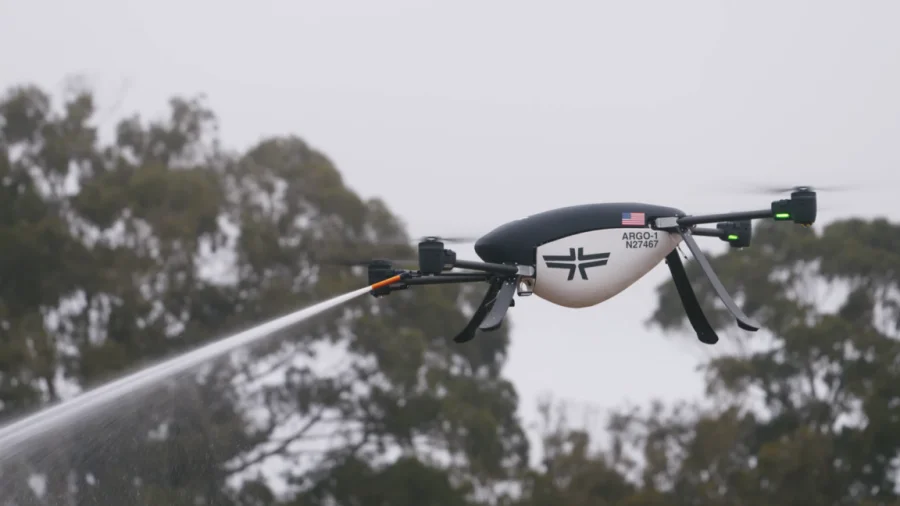
As wildfires burn across the US with alarming frequency, a new weapon is being tested in the skies: drones that can spray water and fire retardant. This summer, in California and Alaska, these unmanned aircraft are practicing how to snuff out small fires before they explode into megafires. The question is whether this technology can keep pace with a climate that is turning wildfire season into a year-round crisis.
How firefighting drones work in early suppression
Unlike the massive airtankers that drop thousands of gallons of retardant on remote blazes, these drones are smaller, more agile, and designed for rapid response. They can be deployed quickly to a small fire—perhaps one sparked by lightning or a power line—and douse it before it spreads. The key advantage is speed: a drone can be in the air within minutes, while a crewed aircraft might take hours to arrive.
Why climate change is driving the need for drone firefighting
Climate change is lengthening the traditional wildfire season, making fires more frequent and intense across the US. In California, the fire season now stretches nearly year-round, with dry conditions persisting through winter. This means firefighting agencies need tools that are always ready and can respond to fires anywhere, anytime. Drones offer a potential solution for the early, critical window when a fire is still small and manageable.
Testing grounds: California and Alaska this summer
This summer, tests in California and Alaska are evaluating how well drones can deliver water and retardant to small fires. The $11 million XPRIZE competition is also pushing innovation, challenging teams to develop drones that can detect and suppress fires autonomously. These tests are crucial for understanding the practical limits of drone technology in real-world firefighting scenarios.
Who benefits from faster wildfire response
For communities in wildfire-prone areas, every minute counts. A small fire that is caught early can save homes, lives, and millions of dollars in firefighting costs. Residents in rural and suburban areas near forests—often called the wildland-urban interface—stand to gain the most. Faster response also reduces the health impacts of smoke, which can travel hundreds of miles and affect millions.
Fire agencies and companies behind the drone tests
The California Department of Forestry and Fire Protection (Cal Fire) and the Alaska Division of Forestry are among the agencies involved. Private companies are also developing drone systems, often in partnership with universities and research labs. The XPRIZE competition, with its $11 million prize, is attracting global teams to solve the technical challenges of drone-based firefighting.
What the tests reveal about drone limitations and potential
Early results show that drones cannot replace large airtankers for major fires. Their smaller size and shorter flight range mean they carry less water and retardant. However, their value lies in speed and precision. A drone can target a small fire with pinpoint accuracy, using less water and reducing environmental impact. The tests are also revealing how drones can work alongside crewed aircraft and ground crews.
Confirmed facts vs what remains unclear about drone firefighting
Confirmed: Drones are being tested in California and Alaska this summer for water and retardant spraying. Confirmed: They are smaller than crewed aircraft and have shorter ranges. Unclear: Whether drones can be deployed reliably in high winds or complex terrain. Unclear: How much they will cost to operate at scale. Speculation: Some experts believe drones could become a standard tool for initial attack on small fires within five years.
Why drone technology matters for wildfire response
Drones offer a unique advantage: they can be stationed near high-risk areas and launched instantly. They can also operate at night, when crewed aircraft are often grounded. This 24/7 capability could be a game-changer for early detection and suppression. The technology is still evolving, but the potential to reduce the number of large, destructive fires is significant.
Risks and balanced view of drone firefighting
Critics point out that drones are vulnerable to weather, battery limitations, and communication failures. They also require skilled operators and airspace coordination with crewed aircraft. There are concerns about privacy and the risk of drones interfering with manned firefighting operations. Supporters argue that these challenges can be overcome with better technology and training, and that the benefits of early suppression outweigh the risks.
Wider trend: How drones are reshaping emergency response
Drones are already used for search and rescue, disaster assessment, and medical delivery. Their role in firefighting is part of a broader shift toward using unmanned systems for dangerous or time-sensitive tasks. As climate change increases the frequency of natural disasters, drones could become a critical part of the emergency response toolkit, from wildfires to floods to hurricanes.
What this means for people living in wildfire-prone areas
If drone firefighting proves effective, residents in high-risk zones may see faster response times and fewer large fires near their homes. However, they should not rely solely on technology. Creating defensible space, having an evacuation plan, and staying informed about fire conditions remain essential. Drones are a tool, not a substitute for community preparedness.
Future outlook for firefighting drones
If tests succeed, drones could be deployed in more states within the next few years. The XPRIZE competition may accelerate development of autonomous systems that can detect and suppress fires without human pilots. However, regulatory hurdles, cost, and public acceptance will shape how quickly this technology becomes mainstream. The next few fire seasons will be critical for proving the concept.
Our Take
Firefighting drones are not a silver bullet for the wildfire crisis, but they represent a smart, targeted investment in early response. The real test will be whether they can work reliably in the chaotic conditions of a real wildfire—high winds, smoke, and limited visibility. If they can, they could save lives and billions of dollars in damage. If not, they will remain a promising idea that never quite delivers. Either way, the urgency of climate change means we cannot afford to stop trying.
Frequently Asked Questions
Can drones replace large firefighting aircraft?
No. Drones are smaller and carry less water or retardant than crewed airtankers. Their role is to respond quickly to small fires, not to fight large, established wildfires.
How do firefighting drones work?
They are equipped with tanks and spray systems that can release water or fire retardant. They are flown remotely or autonomously, often using GPS and sensors to target the fire precisely.
Are firefighting drones being used now?
They are being tested in California and Alaska this summer, but are not yet widely deployed. The tests are evaluating their effectiveness for early suppression of small fires.
What is the XPRIZE competition for firefighting drones?
The XPRIZE is a $11 million competition that challenges teams to develop drones capable of detecting and suppressing wildfires autonomously. It aims to accelerate innovation in this field.