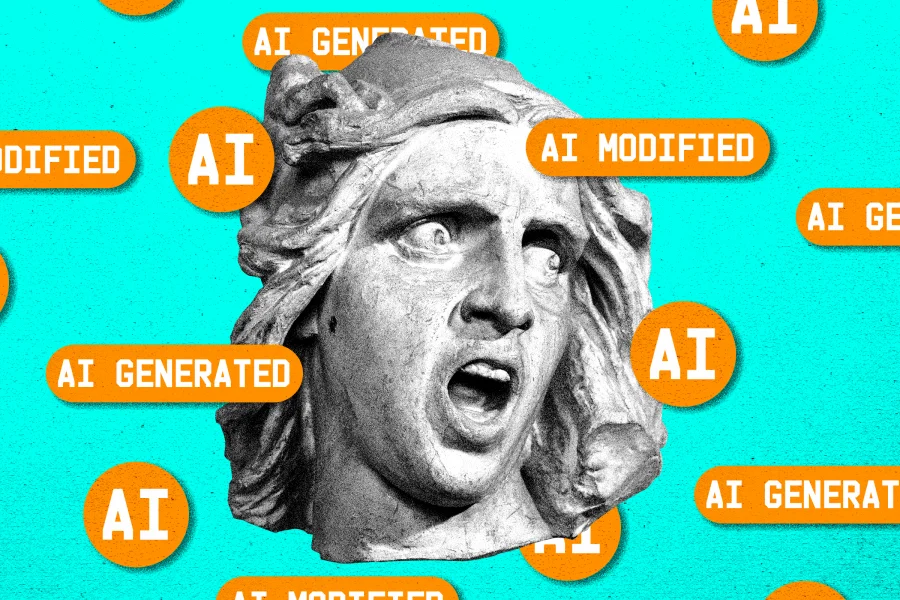
The next time a European scrolls through social media, watches a video, or chats with customer support, they may see something unfamiliar: a small label quietly stating that AI was involved. It sounds simple, but this tiny notice is about to reveal something far bigger — just how deeply artificial intelligence has already woven itself into the fabric of everyday life.
What the New EU Transparency Rules Actually Require
Under the new EU regulations, people must be explicitly told when they are interacting with an AI system, and when they are viewing content that was generated or significantly edited by AI. This includes deepfakes, AI-written articles, altered images, and even chatbot conversations that feel convincingly human.
The requirement is part of the EU’s broader push to make digital spaces more honest. Regulators argue that citizens have a right to know whether the content they consume or the entity they are speaking with is machine-made.
Why “Disclosure Fatigue” Is Becoming a Real Concern
Privacy advocates and tech analysts are already warning about a side effect they call “disclosure fatigue.” The concern is simple: if every other post, video, or customer service chat carries an AI label, the notices will quickly become background noise. People may stop noticing them entirely, defeating the purpose of the regulation.
There is also a psychological dimension. Constant reminders that AI is everywhere can create a low-level unease, a sense that the digital world is no longer fully human. For many, this will be the first time they consciously register how much of their daily media diet is machine-assisted.
How AI Has Silently Embedded Itself Into Daily Routines
Most Europeans have been interacting with AI for years without realizing it. Recommendation algorithms on streaming platforms, spam filters in email, predictive text on smartphones, and automated customer service bots are all forms of AI that have operated quietly in the background.
What changes now is visibility. The new rules force what was invisible into the open. A person might discover that the “helpful assistant” they chatted with about a refund was not human, or that a realistic-looking news photo was algorithmically enhanced.
What This Means for Ordinary Europeans in Practice
For the average person, the most immediate change will be visual. Expect to see more disclaimers on social media platforms, news websites, and video-sharing apps. Some services may add pop-up notices before a chatbot conversation begins. Others may watermark AI-generated images or videos.
There is also a practical benefit. Clear labeling gives people the information they need to make judgments about trust. A labeled AI-generated video is less likely to mislead. A disclosed chatbot removes the awkwardness of wondering whether you are talking to a person or a program.
How EU Regulators and Tech Companies Are Responding
EU officials have positioned the disclosure mandate as a cornerstone of the AI Act, emphasizing that transparency is essential for democratic accountability. They argue that citizens cannot make informed decisions about AI if they do not know it is there.
Tech companies, meanwhile, are in a scramble to comply. Platforms must now build systems that detect AI-generated content and label it accurately. This is technically challenging, especially for edited content where the AI’s role may be partial. Some companies have expressed concern about the operational burden and the risk of over-labeling.
The Deeper Meaning Behind the Labeling Mandate
Beyond the logistics, this regulation marks a philosophical shift. Europe is essentially declaring that AI is not just a tool used by professionals, but a pervasive presence that citizens have a right to see and understand. It treats AI literacy as a public good, not a niche technical concern.
The move also sets Europe apart from other regions. While some countries are focused on AI innovation speed, the EU is prioritizing citizen protection and transparency, even if it means slowing down deployment or adding friction to user experiences.
What Is Confirmed vs. What Still Remains Unclear
Confirmed: The EU has established rules requiring disclosure of AI interaction and AI-generated or edited content. Companies operating in the EU must implement these requirements.
Unclear: The exact technical standards for labeling are still being refined. It is not yet clear how platforms will handle edge cases, such as content that is lightly edited by AI or hybrid human-AI collaborations. Enforcement mechanisms and penalties across member states are also still taking shape.
Why This Transparency Push Could Reshape Digital Trust
Trust in digital content has been eroding for years, fueled by misinformation and deepfakes. The EU’s labeling regime is an attempt to rebuild that trust by giving people a clear signal about what is real and what is machine-made.
If successful, it could become a global template. Other regions may adopt similar rules, and global platforms may choose to apply consistent labeling standards worldwide rather than maintaining separate systems for different markets.
Risks and the Case for Caution
Critics argue that the rules could create a false sense of security. A label does not guarantee that unlabeled content is human-made; it only means the platform detected AI involvement. Malicious actors could simply omit labels on AI-generated disinformation.
There is also the risk of overcorrection. If platforms label too aggressively, they may inadvertently stigmatize legitimate AI-assisted creative work, from film editing to digital art. The line between “AI-generated” and “human-created with AI tools” is often blurry, and the rules may struggle to capture that nuance.
A Broader Pattern: The Global Push for AI Accountability
Europe is not alone in this direction. Around the world, regulators are grappling with how to govern AI. From watermarking requirements in China to voluntary commitments by major tech firms in the United States, the trend is clearly toward greater transparency.
What makes Europe’s approach distinctive is its legal enforceability. These are not voluntary guidelines; they are binding rules with consequences for non-compliance. That makes the EU a testing ground for whether mandatory AI disclosure can work at scale.
Practical Guidance for Europeans Navigating the New Labels
For everyday users, the advice is straightforward: pay attention to the labels, but do not assume they tell the whole story. Use them as one signal among many when evaluating content. If something seems suspicious, verify it through trusted sources regardless of whether it carries an AI label.
For content creators and businesses, the priority should be compliance and clarity. Transparent labeling can actually become a trust advantage, showing audiences that you are honest about your use of AI tools.
What Happens Next in the Rollout
The coming months will reveal how smoothly the rules are implemented. Early adopters among platforms will set the tone, and their approaches will likely become industry norms. Enforcement actions, if any, will clarify the boundaries of the regulation.
One thing is certain: the era of invisible AI in Europe is ending. The question now is whether the labels will empower citizens or simply become another piece of digital clutter they scroll past.
Our Take
This regulation is a significant moment for digital rights. It acknowledges a reality that many have suspected but few have confronted: AI is no longer a futuristic concept but a present-day infrastructure that shapes what we see, read, and experience. Forcing that reality into the open is uncomfortable, but it is also necessary. A society that cannot see the machines shaping its information environment cannot meaningfully govern them. The risk of disclosure fatigue is real, but it is a risk worth taking. The alternative — silent, invisible AI influence — is far more dangerous.
Frequently Asked Questions
What are the new EU AI disclosure rules?
The EU AI Act requires that people be informed when they are interacting with an AI system and when they are viewing AI-generated or significantly AI-edited content. This includes chatbots, deepfakes, and AI-modified media.
Why are experts worried about “disclosure fatigue”?
Experts fear that if AI labels appear too frequently across all digital content, people will stop noticing them. This would make the labels ineffective and could create a sense of numbness toward AI presence in daily life.
How will the AI labels affect social media users?
Users will likely see disclaimers on posts, videos, and images that were created or edited by AI. Some platforms may also notify users before they enter a conversation with an AI chatbot.
When will the EU AI disclosure rules take effect?
The rules are part of the phased implementation of the EU AI Act. Specific timelines vary by provision, with transparency obligations rolling out as part of the broader regulatory framework across member states.