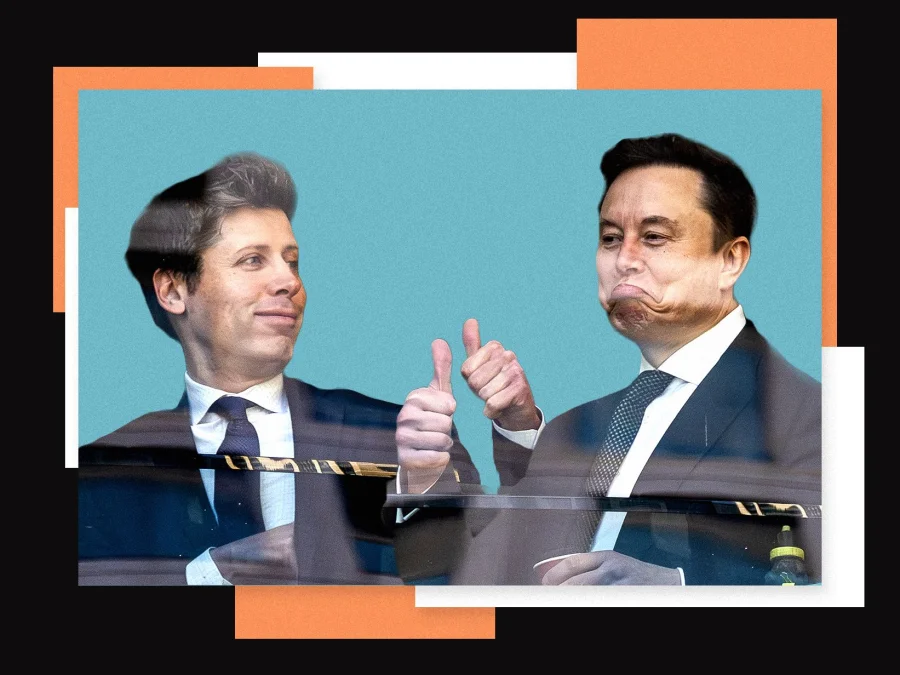
It took a jury just two hours to deliver a verdict that could reshape the future of artificial intelligence — and it was a devastating blow to Elon Musk.
On Monday, a nine-member federal panel unanimously ruled against the Tesla and SpaceX CEO in his landmark lawsuit against OpenAI and its chief executive, Sam Altman. The judge swiftly adopted the jury's decision as her own final ruling, bringing a dramatic close to one of the most closely watched legal battles in the tech world.
The core finding was simple but brutal for Musk: he waited too long to bring his case. The jury concluded that Musk had known about OpenAI's transition to a for-profit structure for years but never acted — and by the time he did, the statute of limitations had run out.
Why This Matters Right Now
This isn't just a courtroom loss for one billionaire. The lawsuit struck at the heart of a fundamental question: who controls the future of artificial intelligence, and under what rules?
Musk had argued that OpenAI — which he co-founded in 2015 as a nonprofit — had betrayed its original mission by becoming a for-profit company under Altman's leadership. He claimed the shift violated antitrust laws and harmed public interest. The jury's rejection of that argument means OpenAI's for-profit structure, and its massive valuation, now stands on firmer legal ground.
For investors, employees, and competitors in the AI industry, the verdict signals that the courts are unlikely to unwind OpenAI's corporate transformation — at least not based on this legal theory.
How the Legal Battle Unfolded
The lawsuit, filed by Musk in early 2025, alleged that OpenAI and Altman had engaged in anticompetitive behavior by moving from a nonprofit research lab to a for-profit entity. Musk claimed this violated federal antitrust laws and breached the company's original founding principles.
OpenAI's legal team countered that Musk had been fully aware of the for-profit transition from its earliest stages — and had even been offered a role in the new structure. They argued that Musk only filed suit after failing to gain control of the company himself.
The trial lasted several weeks, featuring testimony from top figures in the AI world. But in the end, the jury's deliberation was remarkably short: just two hours to reach a unanimous verdict.
Who Is Affected and What Officials Are Saying
The verdict sends a clear message to the broader tech industry. Companies considering similar transitions from nonprofit to for-profit status may now feel emboldened, knowing that delayed legal challenges are unlikely to succeed.
OpenAI released a brief statement following the ruling, saying the company was "grateful for the jury's careful consideration" and that it would "continue focusing on building safe and beneficial artificial intelligence."
Musk's legal team has not yet indicated whether they will appeal. However, legal experts note that appeals in statute-of-limitations cases are notoriously difficult to win.
What We Know So Far — and What Remains Unclear
What we know:
- The jury unanimously ruled against Elon Musk on all counts
- The judge adopted the verdict as the final decision
- The core legal finding is that Musk waited too long to sue
- The trial lasted several weeks with testimony from key industry figures
What remains unclear:
- Whether Musk will appeal the decision
- Whether other legal challenges to OpenAI's structure are possible
- The full financial and strategic implications for OpenAI's planned IPO
Risks, Concerns, and the Balanced View
While the verdict is a clear win for OpenAI, it does not settle every question about the company's governance. Critics argue that the statute-of-limitations ruling sidestepped the deeper issue of whether a nonprofit's assets can be legally transferred to a for-profit entity without proper oversight.
Some legal analysts believe that future plaintiffs — perhaps with more recent claims — could still challenge OpenAI's structure on different legal grounds. The jury's decision was narrow, focused on timing rather than the merits of Musk's antitrust arguments.
For Musk personally, the loss is both legal and reputational. He had framed the lawsuit as a fight for the soul of AI. The swift rejection by a jury suggests that narrative failed to persuade ordinary citizens.
Why Similar Legal Challenges Are Growing in Tech
Musk's lawsuit is part of a broader trend: as AI companies grow from research projects into trillion-dollar corporations, questions about their original missions and governance structures are becoming more common.
Several other tech companies have faced similar lawsuits from founders or early employees who felt betrayed by corporate transformations. The outcomes have been mixed, but the Musk-OpenAI case will now serve as a key precedent.
"The jury's quick verdict suggests that courts are reluctant to unwind corporate decisions made years ago, especially when the plaintiff had clear knowledge of those decisions at the time." — Legal analyst quoted in court filings
What Investors and AI Enthusiasts Should Know Now
For those watching the AI industry, the verdict removes a significant legal cloud over OpenAI. The company can now proceed with its for-profit operations — including potential fundraising and an eventual IPO — without the threat of this particular lawsuit.
However, investors should remain cautious. Other legal challenges could emerge, and regulatory scrutiny of AI companies is increasing worldwide. The verdict does not protect OpenAI from future antitrust investigations by government agencies.
What Could Happen Next
In the short term, expect OpenAI to accelerate its commercial plans. The company has been preparing for a massive funding round, and this legal victory removes a major obstacle.
For Musk, the focus will likely shift back to his other companies — Tesla, SpaceX, and xAI — though his public criticism of OpenAI is unlikely to stop. He has already hinted on social media that "the fight for AI safety is far from over."
Legal experts expect an appeal, but most believe the chances of overturning the statute-of-limitations ruling are slim.
Our Take: Why This Story Matters Beyond One Lawsuit
This verdict is about more than Elon Musk's bruised ego or OpenAI's legal victory. It represents a fundamental question about how we govern transformative technology.
When a company starts as a nonprofit with a mission to "benefit humanity" and ends up as a for-profit giant worth hundreds of billions, who gets to decide if that's acceptable? The jury said: someone who acts quickly. The law, in this case, favored those who moved fast — not those who waited.
That lesson will echo through boardrooms and courtrooms for years to come.
FAQs
Why did Elon Musk lose the lawsuit against OpenAI?
A federal jury unanimously ruled that Musk waited too long to file his lawsuit. The statute of limitations had expired because Musk knew about OpenAI's for-profit transition years before he sued.
What was Elon Musk's lawsuit against OpenAI about?
Musk alleged that OpenAI and CEO Sam Altman violated antitrust laws by transitioning from a nonprofit research lab to a for-profit company. He claimed this betrayed the company's original mission.
Can Elon Musk appeal the verdict?
Yes, Musk's legal team can file an appeal. However, legal experts say appeals in statute-of-limitations cases are very difficult to win, as the factual finding about timing is hard to overturn.
What does this verdict mean for OpenAI's future?
The verdict removes a major legal obstacle for OpenAI. The company can now proceed with its for-profit operations, including potential fundraising and an IPO, without the threat of this particular lawsuit.