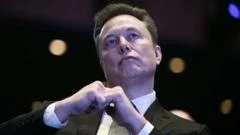
Elon Musk has just lost another high-profile legal battle. But if you think this will make him back down, you haven't been paying attention. The billionaire entrepreneur, known for his relentless and often aggressive legal tactics, has suffered a significant defeat in his lawsuit against OpenAI. Yet, legal experts and those who follow his career closely say this is far from the end. In fact, it's almost certain he'll keep fighting.
The Latest Legal Defeat: Musk vs OpenAI
Musk's lawsuit against OpenAI, the company he co-founded and later left, has been dismissed by a federal judge. The core reason? The court ruled that Musk waited too long to bring his claims. The lawsuit alleged that OpenAI and its CEO, Sam Altman, had abandoned the company's original non-profit, open-source mission in favor of a for-profit model. But the judge found that Musk's claims were barred by the statute of limitations, meaning he had ample time to sue earlier but chose not to.
Why This Matters Right Now
This isn't just another legal footnote. This case was seen as a potential landmark for the future of artificial intelligence governance. Musk's argument—that a company founded on principles of openness and safety had become a closed, profit-driven behemoth—resonated with many in the tech community and among AI safety advocates. The dismissal of the case removes a major legal challenge to OpenAI's current structure, potentially clearing the path for its massive valuation and commercial ambitions. For investors, competitors, and anyone concerned about AI's direction, this ruling has immediate and significant consequences.
How the Legal Battle Unfolded
The lawsuit was filed in early 2024, but the story goes back much further. Musk was a co-founder of OpenAI in 2015, donating $100 million to the non-profit. He left the board in 2018, citing potential conflicts with Tesla's own AI work. Since then, OpenAI has transformed into a capped-profit company, secured billions in funding from Microsoft, and launched products like ChatGPT that have taken the world by storm. Musk's lawsuit claimed this was a breach of the original agreement. The court's decision to dismiss the case on procedural grounds means the merits of Musk's core argument were never fully heard.
Who Is Affected and What Officials Are Saying
The immediate impact is on OpenAI and its leadership. The company has consistently denied Musk's allegations, and the court's ruling is a clear victory for them. "This lawsuit was without merit from the start," an OpenAI spokesperson said in a statement. "We are pleased the court has dismissed it." For Musk, it's another legal setback in a long line of them. But for the broader tech industry, the ruling sets a precedent that could make it harder for future plaintiffs to challenge similar corporate transformations.
What We Know So Far — and What Remains Unclear
What we know: The lawsuit has been dismissed. The judge ruled that Musk's claims were time-barred. Musk has the option to appeal the decision.
What remains unclear: Whether Musk will actually appeal. Also, the deeper question of whether OpenAI's transformation was a breach of its founding principles remains legally unresolved. The court never ruled on the substance of the claims, only on the timing.
Risks, Concerns, and the Balanced View
From a legal perspective, Musk's loss is a clear win for OpenAI. It removes a significant legal cloud over the company's operations and valuation. However, critics argue that the ruling, while legally sound, sidesteps the larger ethical questions about the concentration of power in AI development. Musk's supporters see this as a missed opportunity to hold OpenAI accountable. The balanced view is that while Musk lost this round, the underlying concerns about AI governance and corporate responsibility remain very much alive.
Why Similar Trends or Concerns Are Growing
Musk's legal battles are not isolated incidents. They are part of a growing trend of high-stakes litigation in the tech world, particularly around AI. As AI companies become more powerful and valuable, disputes over their founding principles, intellectual property, and governance are becoming more common. Musk's aggressive legal strategy, even when it results in losses, serves to keep these issues in the public eye and can influence public opinion and regulatory scrutiny.
- Musk has a long history of using litigation as a strategic tool, even when the odds are against him.
- His legal battles often serve to draw attention to his grievances and shape public narrative.
- The OpenAI case is just one of many legal fights Musk is currently involved in.
"Elon Musk just lost another lawsuit. Will he keep fighting? The answer, based on his track record, is almost certainly yes." — BBC News
What Readers, Users, or Investors Should Know Now
For investors in OpenAI or its partners like Microsoft, the ruling removes a near-term legal risk. For those concerned about AI safety and governance, the fight is far from over. Musk's legal loss doesn't invalidate the questions he raised. For the general public, this case is a reminder that the future of AI is being shaped not just in labs and boardrooms, but also in courtrooms. Pay attention to the appeals process and any new legal challenges Musk may launch.
What Could Happen Next
The most immediate next step is a potential appeal by Musk's legal team. Given his history and deep pockets, an appeal is highly likely. Beyond that, Musk could also pursue other legal avenues, such as a new lawsuit based on different claims or in a different jurisdiction. The broader trend suggests we will see more legal battles over AI governance, with Musk likely at the center of many of them.
Our Take: Why This Story Matters Beyond One Incident
This story is not just about Elon Musk losing a lawsuit. It's about the fundamental tension at the heart of the AI revolution: the conflict between open, safe development and closed, profit-driven commercialization. Musk, for all his flaws and contradictions, has become a symbol of this tension. His legal loss doesn't resolve the conflict; it merely postpones a deeper reckoning. Whether you agree with his methods or not, his willingness to fight these battles in public ensures that the critical questions about AI's future remain on the table.
FAQs
Why did Elon Musk lose the OpenAI lawsuit?
The court ruled that Musk waited too long to file his lawsuit. The statute of limitations had expired on his claims, meaning he had ample time to sue earlier but did not. The judge dismissed the case on these procedural grounds without ruling on the substance of Musk's allegations.
Will Elon Musk appeal the court's decision?
While not confirmed, it is highly likely. Musk has a history of pursuing legal battles aggressively, even after initial losses. His legal team has the resources and motivation to appeal the decision, and the case raises important questions about AI governance that Musk is deeply invested in.
What does this lawsuit loss mean for OpenAI?
The dismissal is a clear victory for OpenAI. It removes a major legal challenge to its corporate structure and commercial operations. The company can now proceed with its plans without the immediate threat of this lawsuit. However, the ethical questions raised by Musk remain unresolved.
Why does Elon Musk keep fighting legal battles he often loses?
Legal experts suggest Musk uses litigation as a strategic tool, not just to win in court, but to shape public narrative, draw attention to his concerns, and pressure opponents. Even when he loses, the legal process itself can be a powerful form of communication and leverage. His persistence is a core part of his public persona.