The numbers are jarring. India's education system is a booming industry worth an estimated ₹11–14 lakh crore, yet nearly four out of five children never make it to the final year of school. As Gen Z and Gen Alpha protesters take to the streets over crumbling classrooms and missing teachers, a veteran educationist is asking a harder question: are we even fighting the right battle?
The Great Indian Education Paradox: A Booming Industry, A Failing System
Education in India is big business. Estimates place the market size between $115 billion and $152 billion, a figure that suggests immense private investment, coaching centres, and ed-tech platforms are thriving. But the social return on that investment is deeply troubling.
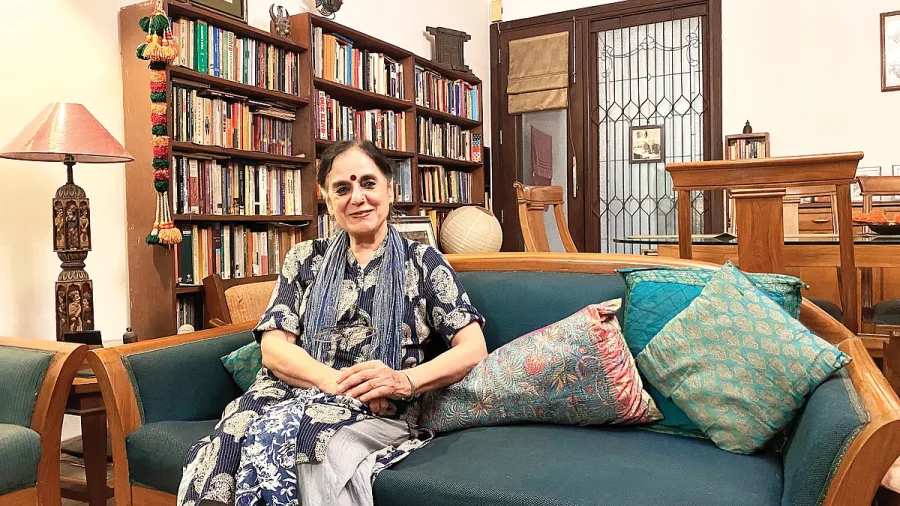
Anita Rampal, a former dean of the Faculty of Education at Delhi University, points to a stark statistic: only 22 per cent of Indian children complete Class 12. This single number exposes the gap between the industry's profitability and its actual purpose.
7,000 Schools, One Teacher Each: The UP Reality Check
To understand the depth of the crisis, look at Uttar Pradesh. India's most populous state has 7,000 schools running with just a single teacher on staff. In these schools, one educator is expected to manage multiple grades, administrative work, and mid-day meal duties simultaneously.
This is not a resource problem alone; it is a structural failure. When a school has one teacher, the idea of quality education becomes a distant fantasy. The recent protests by young students over basic amenities have brought this grim reality into sharper focus.
Gen Z and Gen Alpha: A New Generation Refuses to Stay Silent
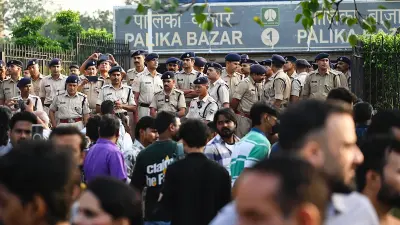
The ongoing protests are significant not just for their demands but for who is making them. Gen Z and Gen Alpha students are demonstrating a fearlessness that previous generations often lacked. They are publicly calling out the state of government schools, demanding toilets, drinking water, and functioning classrooms.
Rampal observes that this generation seems unafraid. Their willingness to protest marks a cultural shift, but she cautions that outrage alone will not rebuild the system. The energy of the protests must be channelled into asking the right questions about policy and accountability.
Why 'Collective Transformation' Is More Than a Slogan
Rampal's core argument is that education can only be transformed collectively. This is not a call for a single policy change or a new budget allocation. It is a demand for a societal shift in how India perceives education.
Currently, education is treated as a commodity — a business to profit from or a service to consume. Rampal's vision requires treating it as a public good that belongs to the community. This means parents, teachers, administrators, and citizens must share responsibility for outcomes, not just the government.
The Human Cost of a Broken Pipeline
The 78 per cent of children who drop out before Class 12 do not simply vanish. They enter the workforce early, often in low-skill jobs, perpetuating cycles of poverty. For girls, the dropout rate is often linked to early marriage and domestic responsibilities.
When a school has one teacher or lacks basic toilets, the message to a child is clear: you are not a priority. The protests are a direct rejection of that message. The question is whether the collective will respond with action or just more promises.
What the Experts Are Saying: Beyond the Market Size
Rampal's interview with Nandlal Sharma cuts through the noise of market valuations. While investors see a $150 billion opportunity, educators see a system that fails the majority. The disconnect between the industry's health and the student's experience is the central crisis.
Officials and policymakers often cite increased budget outlays, but the ground reality in states like UP suggests implementation is the weak link. Having funds on paper does not help if a school cannot hire more than one teacher.
Confirmed Facts vs What Remains Unclear
Verified: The education market size estimate of ₹11–14 lakh crore, the 22 per cent Class 12 completion rate, and the 7,000 single-teacher schools in UP are figures cited by Anita Rampal in her interview.
Unclear: The specific demands of the ongoing Gen Z and Gen Alpha protests are not detailed in the source material. The timeline and scale of these protests remain unspecified.
Attribution: All statistics and opinions are attributed to Anita Rampal as told to Nandlal Sharma. No independent verification of these figures was available in the provided source.
The Structural Flaw: Why Money Isn't Solving the Problem
The paradox of a booming education market alongside failing schools points to a misallocation of resources. Private capital flows to urban, affluent areas where profits are high. Government funding, where it exists, is often poorly distributed, leaving rural and backward districts with severe shortages.
Rampal's call for collective transformation implies a rebalancing of this equation. It suggests that communities must hold schools accountable and that the private sector must be measured by social impact, not just revenue.
Risks and the Road Ahead: Protests vs. Policy
While the protests are a healthy sign of civic engagement, there is a risk they become performative. Without a clear set of policy demands and a mechanism for follow-through, the energy can dissipate. Critics might argue that collective action is too vague a solution for a problem that requires specific, technical fixes.
Supporters, however, would counter that technical fixes have failed for decades precisely because there is no collective will to enforce them. The debate between systemic change and targeted intervention is at the heart of this issue.
A Wider Pattern: The Global Education Inequality Gap
India is not alone in this struggle, but the scale is unique. Globally, education systems are grappling with how to balance privatisation and public good. India's experiment with a massive private sector alongside a struggling public system offers a cautionary tale.
The Gen Alpha protests are part of a global wave of youth activism, but they are rooted in very local grievances about toilets, teachers, and classrooms. The challenge is to connect these local fights to a national movement for change.
What Parents and Students Should Do Now
For parents, the takeaway is to engage with school management committees and demand transparency on teacher attendance and infrastructure spending. For students, the protests are a start, but organising around specific, measurable demands will create more pressure on authorities.
Citizens can also use Right to Information (RTI) tools to audit local schools. Collective transformation begins with informed communities that refuse to accept the status quo.
Future Outlook: Can the System Be Saved?
The path forward is uncertain. If the collective will Rampal speaks of materialises, we could see a shift toward community-managed schools and greater accountability. If it does not, the industry will continue to boom while the majority of children are left behind.
The next few years will reveal whether the Gen Z and Gen Alpha protests are a fleeting moment of anger or the beginning of a sustained movement for educational justice.
Our Take
Anita Rampal's framing is a necessary corrective to the obsession with market size. The fact that education is a great business while 78 per cent of children fail to complete school is not a coincidence; it is a feature of a system designed to serve the few. The protests are a symptom of this failure, and the collective response will determine whether India finally builds an education system worthy of its children.
Frequently Asked Questions
What is the current Class 12 completion rate in India?
According to educationist Anita Rampal, only 22 per cent of Indian children complete Class 12. This means 78 per cent of students drop out before finishing their final year of schooling.
Why are Gen Z and Gen Alpha students protesting about education?
The recent protests are focused on the lack of basic amenities in government schools, such as toilets, drinking water, and adequate teaching staff. Students are demanding better infrastructure and accountability from authorities.
What does 'collective transformation' of education mean?
According to Anita Rampal, it means that education reform cannot be achieved by the government alone. It requires the active participation of parents, teachers, communities, and the private sector to take shared responsibility for improving school outcomes.
How many schools in Uttar Pradesh have only one teacher?
Anita Rampal cited that 7,000 schools in Uttar Pradesh, India's most populous state, operate with just a single teacher. This severely impacts the quality of education delivered to students in those schools.