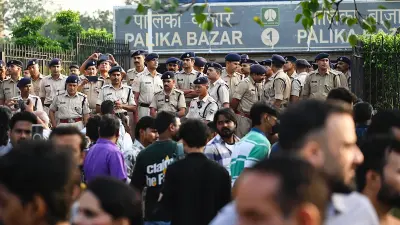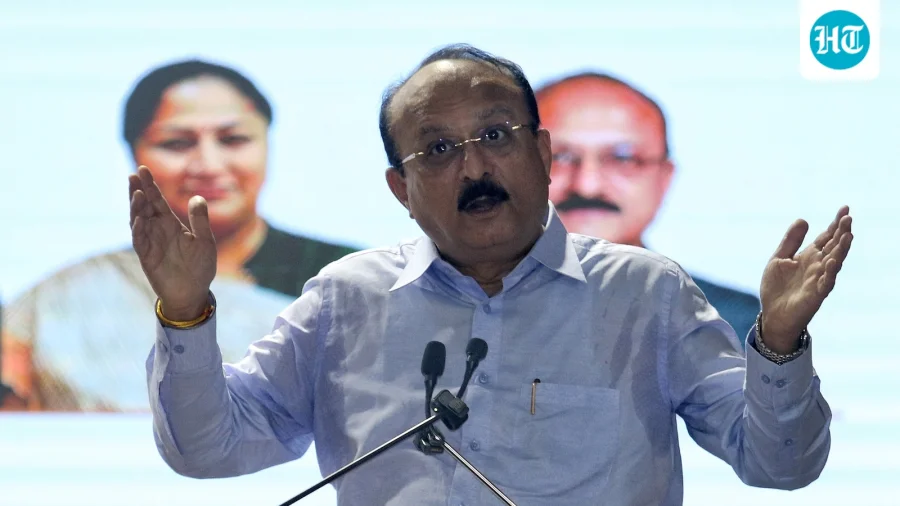
The Delhi government has put a school on notice for operating without mandatory recognition, and the institution now faces the real possibility of being shut down. The development comes as education minister Ashish Sood issued a firm statement that the administration will "not compromise on safety, security and well-being of children." For parents whose children study in such institutions, the news raises immediate questions about the future of their child's education.
Government's Stern Warning on Unrecognised Schools
Education minister Ashish Sood made the government's position clear: recognition is non-negotiable. The statement underscores a zero-tolerance approach toward institutions that bypass the mandatory approval process. Officials indicated that the school in question has been operating without the required recognition, which is a violation of the Delhi School Education Act and its associated rules.
Why Recognition Matters for Every Delhi School
Recognition is not just a bureaucratic formality. It is the government's guarantee that a school meets minimum standards for infrastructure, teacher qualifications, safety protocols, and curriculum compliance. Without it, there is no official oversight, no accountability, and no assurance that the institution is fit for children. The minister's warning directly addresses this gap, placing child safety above all other considerations.
How the Situation Reached This Point
While the specific timeline of the school's operations has not been fully disclosed, the pattern is familiar. Many unrecognised institutions in Delhi have historically operated in grey areas, sometimes for years, without facing consequences. This case appears to be part of a renewed push by the education department to identify and act against such schools. The government's latest stance signals that the era of unchecked operation may be ending.
What This Means for Parents and Students
For families enrolled in unrecognised schools, the immediate concern is disruption. A shutdown would force students to transfer mid-academic-year, which can affect board exam preparations, admissions, and emotional stability. Parents may also face financial losses if fees have been paid in advance. The government's position, while firm on compliance, also carries an implicit responsibility to guide affected families toward recognised alternatives.
Minister Ashish Sood's Clear Message
Ashish Sood's statement is unambiguous. By linking recognition directly to the safety, security, and well-being of children, he has framed the issue not as an administrative technicality but as a fundamental matter of child protection. The minister's words suggest that the government is prepared to take the strictest possible action, including closure, against any institution that fails to comply.
Reading Between the Lines of the Government's Move
The timing and tone of this warning suggest a deliberate strategy. The Delhi government appears to be signalling to all unrecognised schools that they must regularise their status or face consequences. This is not merely about one institution; it is about establishing a precedent. The message is clear: compliance with recognition norms is the only acceptable path forward.
Confirmed Facts vs What Remains Unclear
What is confirmed is that a Delhi school is under government scanner for operating without recognition, and that the education minister has issued a strong warning about child safety. What remains unclear is the identity of the school, the duration of its unrecognised operation, the number of students affected, and the exact timeline for any shutdown decision. These details are expected to emerge as the government proceeds with its review.
Risks and the Need for Balanced Oversight
While the crackdown on unrecognised schools is necessary, it also carries risks. A sudden closure without a transition plan could leave hundreds of students without a seat in another school. Education experts often point out that the government must balance enforcement with rehabilitation, ensuring that children are not penalised for the failures of school management. The minister's emphasis on child well-being suggests this concern is acknowledged, but the execution will be key.
A Wider Crackdown on Unrecognised Institutions
This case is unlikely to be an isolated one. Delhi has a history of unrecognised schools operating in various pockets, particularly in unauthorised colonies and resettlement areas. The government's renewed focus on recognition could lead to a broader audit of schools across the capital. Institutions that fail to meet standards may face similar scrutiny, making this a significant moment for the city's education landscape.
What Parents Should Do Right Now
Parents whose children study in private schools should verify the institution's recognition status. This information can be checked with the Delhi Directorate of Education or through official government portals. If a school is found to be unrecognised, parents should proactively seek admission in recognised institutions to avoid mid-year disruption. Staying informed and acting early is the most practical safeguard.
What Happens Next in This Case
The immediate next step is the government's formal review of the school's status. If the institution fails to produce valid recognition, the education department is likely to issue a shutdown order. The school may also be given an opportunity to regularise its status if it meets the required conditions. Until then, the uncertainty remains for the school's management, staff, and most importantly, its students.
Our Take
This is a moment where administrative firmness meets human consequence. The government's refusal to compromise on child safety is the right stance, but the true test lies in how the transition is managed. Shutting down an unrecognised school is necessary; ensuring that no child is left without a classroom is equally essential. The minister's words have set the principle — now the implementation will define the outcome.
Frequently Asked Questions
Why is the Delhi school facing shutdown?
The school is under government scanner for operating without mandatory recognition, which is required under the Delhi School Education Act. Education minister Ashish Sood has stated that the government will not compromise on child safety, making shutdown a likely outcome if the school fails to regularise.
What does "recognition" mean for a school in Delhi?
Recognition is the official approval granted by the Delhi government's education department after verifying that a school meets prescribed standards for infrastructure, safety, teacher qualifications, and curriculum. It is mandatory for all schools to operate legally.
What should parents do if their child studies in an unrecognised school?
Parents should immediately verify the school's recognition status through the Delhi Directorate of Education. If the school is unrecognised, they should begin the process of transferring their child to a recognised institution to avoid disruption in the academic year.
Can an unrecognised school regularise its status?
Yes, in some cases, schools can apply for recognition if they meet the required norms. However, the Delhi government's current stance suggests that strict compliance will be enforced, and schools that fail to meet standards may face closure.