India
Deep Research · 6 sources
Jun 01, 2026· min read
Delhi plans integrated makeover of MAMC-LN hospital healthcare complex
# Delhi Plans Integrated Makeover of MAMC-LN Hospital Healthcare Complex
For millions of Delhi residents who depend on Lok Nayak Hospital and GB Pant Hospital...
Rajendra Singh
News Headline Alert
728 x 90Header Slot
TL;DR — Quick Summary
The Delhi government has approved a comprehensive redevelopment plan for the Maulana Azad Medical College (MAMC) campus, which includes Lok Nayak Hospital, GB Pant Hospital, and other facilities. A key feature is a rooftop helipad to enable rapid transport of organs, critically ill patients, and emergency teams. The project aims to create a world-class healthcare hub on 137 acres.
Key Facts
Key Point
Delhi government clears major redevelopment for MAMC campus.
Key Point
Campus spans 137 acres, includes MAMC, Lok Nayak Hospital, GB Pant Hospital, Guru Nanak Eye Centre, and MAIDS.
Key Point
Rooftop helipad planned for rapid organ transport and emergency medical evacuations.
Key Point
Project aims to transform the area into a world-class healthcare hub.
# Delhi Plans Integrated Makeover of MAMC-LN Hospital Healthcare Complex
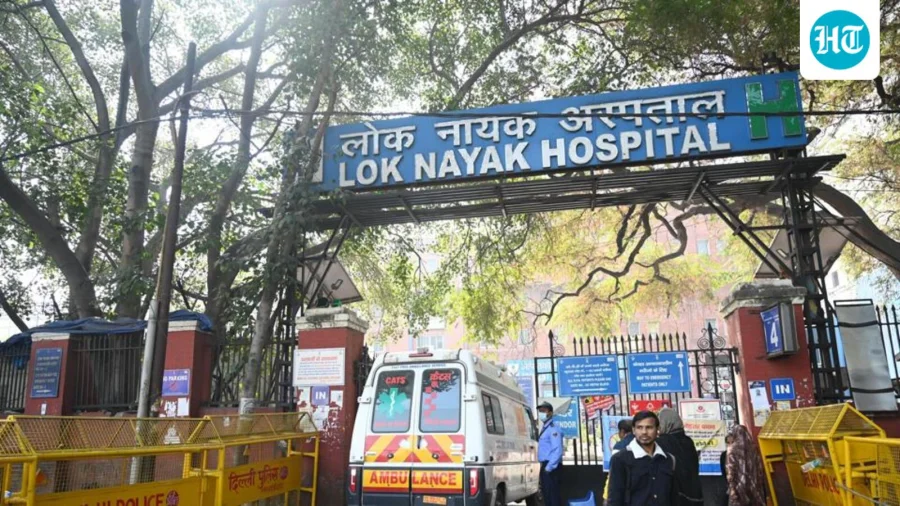
For millions of Delhi residents who depend on Lok Nayak Hospital and GB Pant Hospital for critical care, a major transformation is on the horizon. The Delhi government has approved a comprehensive redevelopment plan for the sprawling 137-acre Maulana Azad Medical College (MAMC) campus, promising to turn it into a world-class healthcare hub. At the heart of this ambitious proposal is a rooftop helipad designed to slash response times for organ transplants and emergency medical evacuations.
This isn't just about new buildings. It's about saving lives faster. The plan aims to integrate MAMC, Lok Nayak Hospital, GB Pant Hospital, Guru Nanak Eye Centre, and the Maulana Azad Institute of Dental Sciences (MAIDS) into a single, seamless medical complex. For patients and their families, this could mean less time navigating between scattered facilities and more time receiving coordinated care.
## Quick Answer: What Is the MAMC-LN Hospital Makeover?
The Delhi government has cleared a major redevelopment plan for the MAMC campus, which includes Lok Nayak Hospital and GB Pant Hospital. The project will create an integrated healthcare hub on 137 acres. A standout feature is a rooftop helipad to enable rapid transport of organs, critically ill patients, and emergency medical teams. The goal is to improve response times during life-saving situations and modernize Delhi's public healthcare infrastructure.
## Why This Matters Right Now
Delhi's public hospitals are often stretched thin. Lok Nayak Hospital, one of the largest in the capital, handles a massive patient load daily. GB Pant Hospital is a key center for super-specialty care. Yet, the infrastructure has aged, and coordination between these institutions has been a challenge.
This redevelopment matters because it addresses a critical gap: speed. In medical emergencies, every minute counts. A rooftop helipad can mean the difference between life and death for a patient needing an urgent organ transplant or for a critically ill person being airlifted from a remote area. For Delhi's residents, this project promises faster, more efficient emergency care.
## Timeline of Events
**H3 Timeline**
- **Current Status:** The Delhi government has approved the comprehensive redevelopment plan.
- **Next Steps:** Detailed planning, tendering, and construction phases are expected to follow.
- **Completion:** No official timeline has been announced yet, but such large-scale projects typically take several years.
The approval marks a significant policy shift toward integrated healthcare infrastructure in the capital.
## How This Affects People
For patients, the most immediate benefit is convenience. Instead of traveling between multiple hospitals for different treatments, they will have access to a coordinated medical campus. For families of critically ill patients, the rooftop helipad offers hope for faster transfers from other hospitals or even from outside Delhi.
For medical professionals, the integrated campus means better collaboration. Doctors and specialists from MAMC, Lok Nayak, and GB Pant can work together more seamlessly, improving patient outcomes. For the broader community, this project signals a commitment to upgrading public healthcare in Delhi.
## What Authorities Are Saying
The Delhi government has confirmed the approval of the redevelopment plan. Officials have emphasized that the project is designed to create a world-class healthcare hub. The inclusion of a rooftop helipad has been highlighted as a key feature to facilitate rapid transportation of organs, critically ill patients, and emergency medical teams.
While detailed statements from individual ministers are awaited, the government's clearance of the plan indicates strong political will behind the project.
## Detailed Analysis: What the Makeover Includes
The redevelopment covers the entire 137-acre MAMC campus. This includes:
- **Maulana Azad Medical College:** One of India's premier medical institutions.
- **Lok Nayak Hospital:** A major public hospital serving millions.
- **GB Pant Hospital:** A super-specialty hospital known for cardiology and neurology.
- **Guru Nanak Eye Centre:** A dedicated eye care facility.
- **Maulana Azad Institute of Dental Sciences:** A leading dental college and hospital.
The plan envisions integrating these facilities into a single, modern medical complex. The rooftop helipad is a standout feature, but the project likely includes new buildings, upgraded equipment, improved patient flow, and better connectivity between departments.
## What We Know vs What Remains Unclear
**What We Know:**
- The Delhi government has approved the redevelopment plan.
- The campus covers 137 acres.
- A rooftop helipad is a key feature.
- The project aims to create an integrated healthcare hub.
**What Remains Unclear:**
- The total cost of the project.
- The exact timeline for completion.
- Whether existing buildings will be demolished or renovated.
- How patient services will be managed during construction.
- The specific design and capacity of the helipad.
## Risks & Concerns
Large-scale redevelopment projects in Delhi have faced delays in the past. Land acquisition, funding, and bureaucratic hurdles could slow progress. There are also concerns about how patient care will be maintained during construction. Disruption to existing services could affect thousands of patients who rely on these hospitals daily.
Additionally, the cost of the project could escalate, putting pressure on the state budget. Critics may question whether the funds could be better spent on upgrading smaller hospitals or primary health centers across Delhi.
## Trend Analysis: Integrated Healthcare Hubs in India
This project is part of a broader trend in India toward integrated healthcare campuses. Cities like Mumbai, Chennai, and Bengaluru have seen similar efforts to consolidate medical facilities. The idea is to create "health cities" where patients can access everything from primary care to super-specialty treatment in one location.
The rooftop helipad aligns with a growing emphasis on emergency air transport in India. Several states have launched helicopter ambulance services, and hospitals are increasingly building helipads to facilitate rapid transfers. This project positions Delhi at the forefront of this trend.
## What Readers Should Know Now
If you or your family rely on Lok Nayak Hospital or GB Pant Hospital, this redevelopment could eventually mean better facilities and faster care. However, the project is still in its early stages. There is no immediate disruption to services. Stay informed about the timeline and any temporary changes to patient care during construction.
For medical professionals, this project could create new opportunities for collaboration and specialization. The integrated campus model is likely to attract top talent and improve research capabilities.
## What Could Happen Next
The next steps will involve detailed planning and design. The government will need to issue tenders for construction and appoint contractors. Public consultations may be held to address concerns from patients and staff. Once construction begins, it could take several years to complete.
If successful, the MAMC-LN hospital makeover could serve as a model for other public hospital redevelopments across India. It could also boost Delhi's reputation as a destination for advanced medical care.
## Our Take
This is a bold and necessary move for Delhi's public healthcare system. The integrated campus model makes sense, and the rooftop helipad is a forward-thinking addition. However, the government must ensure that the project is executed efficiently, with minimal disruption to patients. Transparency in costs and timelines will be crucial to maintaining public trust.
If done right, this redevelopment could transform healthcare access for millions of Delhi residents. It's a project worth watching closely.
## FAQs
**1. Will the redevelopment disrupt current hospital services?**
The government has not yet announced how services will be managed during construction. Typically, large projects phase construction to minimize disruption, but patients should stay updated on any changes.
**2. How will the rooftop helipad be used?**
The helipad is designed for rapid transport of organs for transplant, critically ill patients, and emergency medical teams. It will improve response times for life-saving situations.
**3. When will the project be completed?**
No official timeline has been announced. Given the scale, completion could take several years. The government will likely provide updates as planning progresses.
**4. Will this project benefit all Delhi residents?**
Yes. The integrated campus will improve healthcare access for anyone who uses Lok Nayak Hospital, GB Pant Hospital, or other facilities on the campus. Faster emergency transport could also benefit patients from outside Delhi.
Rajendra Singh Tanwar is a staff correspondent at News Headline Alert, one of India's digital news platforms covering national and state developments across politics, health, business, technology, law, and sport. He reports on government decisions, policy announcements, corporate developments, court rulings, and events that affect people across India — drawing on official documents, named sources, expert commentary, and verified public records.
His work spans breaking news, policy analysis, and public interest reporting. Before each article is published, it is reviewed by the News Headline Alert editorial desk to ensure accuracy and editorial standards are met. Corrections, sourcing queries, and editorial feedback can be directed to editorial@newsheadlinealert.com.