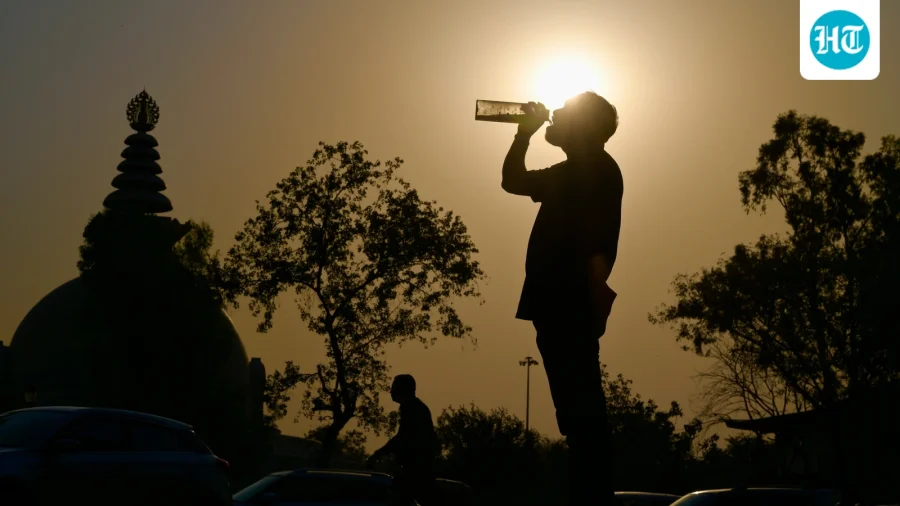
Delhi just endured its hottest day of the season, and the worst may still be ahead. On Monday, the city's base station at Safdarjung recorded a scorching 43.4°C — a temperature that has left residents gasping and officials on high alert. But what makes this moment truly unsettling is what comes next: the India Meteorological Department (IMD) has warned that there is no immediate relief in sight. Temperatures are expected to climb even higher in the coming days, with forecasts of 45°C on the horizon. For millions across the capital, this isn't just a weather update — it's a test of endurance.
Delhi Records Hottest Day of the Season at 43.4°C
The capital city sweltered under an intense sun on Monday as the mercury hit 43.4°C at Safdarjung, the official base station for Delhi's weather readings. This marks the hottest day of the season so far, surpassing previous highs and triggering a yellow alert from the IMD. The heatwave conditions have made outdoor activity nearly unbearable, with residents seeking shade and shelter wherever possible.
Why This Matters Right Now
This isn't just about a single hot day. The IMD's forecast suggests that the heatwave will persist, with maximum temperatures ranging between 43°C and 45°C on Tuesday and Wednesday, and between 42°C and 44°C on Thursday and Friday. For daily wage workers, students, commuters, and the elderly, this means days of physical strain, health risks, and disrupted routines. The lack of relief raises serious concerns about heat-related illnesses, water shortages, and the strain on power grids as air conditioners and coolers run non-stop.
How the Heatwave Unfolded
The temperature climb has been gradual but relentless over the past week. Monday's reading of 43.4°C at Safdarjung is the highest recorded this season, signaling the arrival of peak summer conditions earlier than usual. The IMD's yellow alert is a cautionary measure, urging residents to stay hydrated, avoid direct sun exposure during peak hours, and take precautions against heatstroke. The absence of any significant weather system — such as western disturbances or pre-monsoon showers — means the heat is likely to persist without interruption.
Who Is Affected and What Officials Are Saying
The entire National Capital Region (NCR) is feeling the heat. From construction workers laboring under the sun to office-goers stuck in traffic, the impact is widespread. Schools and colleges are on alert, with some considering adjusted timings. Hospitals are bracing for a potential rise in heat-related cases. The IMD has advised people to avoid strenuous activities between 12 PM and 4 PM, when the sun is at its harshest. "The heatwave conditions are likely to continue for the next few days," an IMD official said, urging the public to remain vigilant.
What We Know So Far — and What Remains Unclear
What we know: Delhi recorded 43.4°C on Monday, the hottest day of the season. The IMD has issued a yellow alert. Temperatures are forecast to stay between 42°C and 45°C through Friday.
What remains unclear: Whether the heatwave will break over the weekend or extend further. The IMD has not yet provided a long-range forecast beyond Friday. It is also unclear if any relief — such as dust storms or light rain — might arrive unexpectedly, as has happened in previous years.
Risks, Concerns, and the Balanced View
The immediate risks are clear: heatstroke, dehydration, and heat exhaustion are real dangers, especially for vulnerable populations like the elderly, children, and those with pre-existing health conditions. Power outages and water shortages could compound the misery. However, it's worth noting that Delhi has experienced similar or even higher temperatures in past years. The city's infrastructure, while strained, has coping mechanisms in place. The key concern this time is the duration of the heatwave — several consecutive days of extreme heat without a break can be more dangerous than a single spike.
Why Similar Heatwaves Are Becoming More Common
Climate scientists have long warned that heatwaves in India are becoming more frequent, intense, and prolonged due to global warming. Urban heat island effects — where concrete and asphalt trap heat — make cities like Delhi particularly vulnerable. The lack of green cover and water bodies in many parts of the capital exacerbates the problem. This year's early onset of extreme heat is consistent with broader climate trends observed across South Asia.
- Delhi's average maximum temperature in April has risen by nearly 1°C over the past three decades.
- Heatwaves now last longer, with consecutive days of extreme heat becoming more common.
- Urban planning and green infrastructure are increasingly seen as critical to mitigating heat impacts.
"Delhi recorded its hottest day of the season at 43.4°C on Monday, with the IMD warning of temperatures up to 45°C in the coming days." — India Meteorological Department (IMD)
What Residents Should Know Now
If you're in Delhi or the NCR, here's what you can do: Stay indoors between 12 PM and 4 PM as much as possible. Drink plenty of water, even if you don't feel thirsty. Wear light, loose-fitting cotton clothes and use a hat or umbrella if you must go out. Avoid alcohol, caffeine, and heavy meals that can dehydrate you. Keep an eye on children and elderly family members. If you feel dizzy, nauseous, or experience a headache, move to a cool place immediately and seek medical help if symptoms persist.
What Could Happen Next
The IMD's forecast suggests that the heatwave will continue at least through Friday. After that, there is a possibility of a slight dip in temperatures, but no significant relief is expected in the immediate term. If the heat persists beyond the weekend, authorities may issue an orange or red alert, which would trigger more aggressive public health measures. The situation will be closely monitored, and updates from the IMD will be critical in the days ahead.
Our Take: Why This Story Matters Beyond One Hot Day
This isn't just about a number on a thermometer. It's about how a city of 20 million people copes with the reality of a warming planet. Every heatwave is a reminder that climate change is not a distant threat — it's here, in our streets, our homes, and our bodies. The story of Delhi at 43.4°C is a story of resilience, but also of vulnerability. It's a call for better urban planning, more green spaces, and a serious conversation about how we adapt to a future where such days become the new normal.
FAQs
What is the hottest temperature recorded in Delhi this season?
Delhi recorded its hottest day of the season on Monday at 43.4°C, measured at the Safdarjung base station by the India Meteorological Department (IMD).
When will the heatwave in Delhi end?
The IMD has forecast that temperatures will remain between 42°C and 45°C through Friday. No immediate relief is expected, and the heatwave may persist beyond the weekend.
What precautions should I take during a heatwave in Delhi?
Stay indoors during peak sun hours (12 PM to 4 PM), drink plenty of water, wear light cotton clothing, and avoid strenuous outdoor activities. Keep an eye on vulnerable family members.
Is the IMD's yellow alert a serious warning?
Yes, a yellow alert from the IMD indicates that heatwave conditions are likely and advises the public to be cautious. It is a call to stay informed and take preventive measures against heat-related illnesses.