The political landscape in Assam shifted on Thursday as the Congress formally ended its alliance with Akhil Gogoi-led Raijor Dal, citing a persistent "breach of coalition ethics." The decision, which takes effect immediately, marks the collapse of a partnership that was once seen as a crucial building block for opposition unity against the BJP in the state.
Why the Alliance Collapsed: The Core Issue
According to the Congress, the decision was not sudden but the result of a prolonged period of friction. The party stated that Raijor Dal had repeatedly violated coalition discipline through public attacks on the Congress and its leadership. For a majority of the period of the alliance, the behaviour of the regional party reportedly failed to uphold the basic principles of the partnership.
The Formal Announcement and Key Players
The severing of ties was formalised through a circular issued on Wednesday, signed by Assam Pradesh Congress Committee (APCC) general secretary (organisation) Ramanna Baruah. The directive came directly from APCC president Gaurav Gogoi, signalling a top-level decision to pull the plug on the alliance.
Background: The Original Purpose of the Partnership
The Congress had strategically joined hands with national Left parties and regional organisations, including Raijor Dal, to consolidate opposition forces against the BJP. This was part of a broader effort to present a united front ahead of both Lok Sabha and Assembly elections in Assam. The alliance was intended to pool anti-BJP votes and strengthen the opposition's bargaining power.
What This Means for Assam's Opposition Bloc
For voters and political observers, this split raises immediate questions about the viability of a united opposition in Assam. The Congress and Raijor Dal were expected to complement each other—Congress with its traditional organisational strength and Raijor Dal with its grassroots appeal, particularly among tea tribe communities and farmers. The end of this alliance could fragment the anti-BJP vote bank, potentially benefiting the ruling party in future electoral contests.
Congress's Stance: Defending the Decision
Congress officials have framed the move as a necessary step to protect the party's dignity and internal discipline. By citing "coalition ethics," the party is signalling that it will not tolerate allies who publicly undermine its leadership. The circular is clear in its language, suggesting that the Congress views this as a principled stand rather than a political miscalculation.
Raijor Dal's Position and the Unanswered Questions
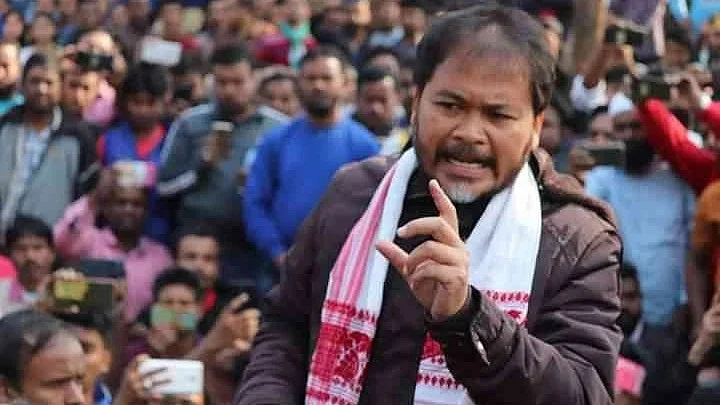
As of now, Raijor Dal chief Akhil Gogoi has not issued a detailed public response to the Congress's circular. The lack of an immediate reaction leaves several questions open: Was there a specific incident that triggered this decision? Did internal negotiations fail in the days leading up to the announcement? And crucially, will Raijor Dal now seek new alliances or contest independently?
Confirmed Facts vs What Remains Unclear
What is confirmed is that the Congress has officially ended the alliance through a formal circular, and that the decision was made on Gaurav Gogoi's directions. What remains unclear is the full extent of the "attacks" that Congress claims it endured, and whether there were any last-minute attempts to salvage the relationship. The specific timeline of when the relationship began to sour has also not been publicly detailed.
The Political Calculus: Why This Matters Beyond Assam
This development is not just a local story. It reflects a broader trend in Indian opposition politics, where alliances of convenience often struggle to survive the pressures of electoral ambition and regional ego. The Congress, while trying to position itself as the natural leader of the anti-BJP front, is finding it increasingly difficult to manage partners who demand equal footing. This split could serve as a cautionary tale for other opposition alliances being negotiated across the country.
Risks and the Road Ahead for Both Parties
For the Congress, the risk is being seen as an inflexible partner that is quick to walk away. For Raijor Dal, the challenge is surviving without the organisational backing of a national party. Both parties now face the daunting task of rebuilding their respective strategies. The BJP, meanwhile, may view this as an unexpected gift—a sign that the opposition remains fragmented and unable to present a cohesive challenge.
What Should Voters and Political Watchers Do Now?
For voters in Assam, this is a moment to watch closely. The coming weeks will likely reveal whether this is a permanent rupture or a temporary setback. Political analysts should track statements from both camps, as well as any signals of realignment. For now, the opposition space in Assam is in a state of flux, and the onus is on both parties to clearly communicate their future plans to the electorate.
Future Outlook: What Happens Next?
The immediate future will depend on Raijor Dal's response. If Akhil Gogoi chooses to publicly criticise the Congress, the rift will widen. If he opts for a conciliatory tone, there may be room for reconciliation, though the circular's definitive language suggests the Congress has closed that door. The larger question of opposition unity in Assam remains open, with no clear leader emerging to fill the void.
Our Take
This is a classic case of coalition politics hitting a wall. The Congress's decision to cite "coalition ethics" is a strong message, but it also exposes the fragility of opposition unity in Assam. While the party may have felt justified in its actions, the political cost of this split could be significant. In a state where the BJP has historically benefited from opposition disunity, this development is a setback for those hoping to present a formidable challenge in the next elections. The coming months will test whether either party can turn this rupture into an opportunity.
Frequently Asked Questions
Why did Congress end its alliance with Raijor Dal?
Congress stated that Raijor Dal repeatedly violated coalition discipline through attacks on the party and its leadership, which constituted a breach of coalition ethics.
Who took the decision to end the alliance?
The decision was taken on the directions of Assam Pradesh Congress Committee (APCC) president Gaurav Gogoi and was formalised through a circular issued by APCC general secretary Ramanna Baruah.
When did the decision take effect?
The decision came into effect immediately, with the circular being issued on Wednesday and the announcement made on Thursday.
What was the purpose of the original alliance?
The Congress had allied with Left parties and regional organisations, including Raijor Dal, to consolidate opposition forces against the BJP ahead of Lok Sabha and Assembly elections in Assam.