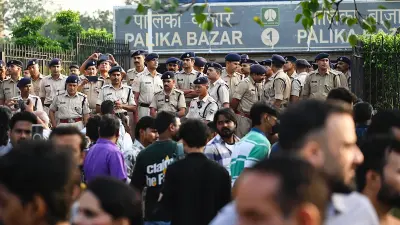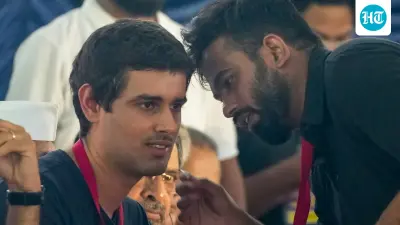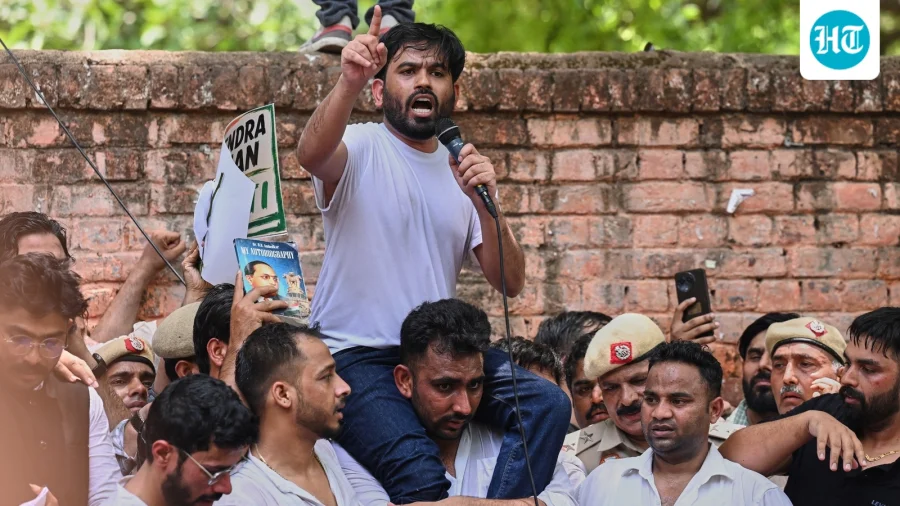
In an unusual display of mutual respect between protesters and law enforcement, the Cockroach Janta Party (CJP) has publicly thanked Delhi Police for “all possible cooperation” during their demonstration at Jantar Mantar on Tuesday. The protest, led by CJP founder Abhijeet Dipke, demanded the removal of Education Minister Dharmendra Pradhan, but what caught attention was the police’s cautionary message and the party’s strict non-violence guidelines.
‘No hinsa, offer flowers to police’: CJP’s unique protest guidelines
The CJP issued a set of guidelines for its supporters ahead of the protest, emphasizing a peaceful approach. Instructions included “no hinsa” (no violence), offering flowers to police personnel, and bringing a book to read during the demonstration. The guidelines, shared on social media, aimed to ensure the protest remained orderly and law-abiding.
Why the protest matters: Demand for Education Minister’s removal
The core demand of the protest — the removal of Education Minister Dharmendra Pradhan — reflects growing discontent among certain groups over education policies. While the CJP is a fringe political party, its public demonstration at Jantar Mantar, a historic protest site in Delhi, signals a broader dissatisfaction with the government’s handling of education reforms. For ordinary citizens, the protest raises questions about accountability in the education sector.
Timeline of the protest: From planning to police cooperation
The protest was announced by CJP founder Abhijeet Dipke on social media earlier this week, with calls for supporters to gather at Jantar Mantar. On February 4, 2025, the demonstration took place peacefully. Delhi Police, in a cautionary message, urged protesters to maintain peace and avoid any form of violence. After the event, Dipke thanked the police for their cooperation, highlighting the smooth conduct of the protest.
Human impact: Who is affected and why it matters
For students, parents, and educators, the demand for the Education Minister’s removal touches on concerns about the quality and direction of education in India. While the CJP’s protest may not have widespread support, it reflects a segment of the population that feels unheard. The peaceful nature of the protest, with flowers offered to police, sets a positive example for civil discourse in a democracy.
Official response: Delhi Police’s cautionary message
Delhi Police issued a cautionary message ahead of the protest, reminding participants to adhere to legal norms and avoid any actions that could disrupt public order. The police’s cooperation, as acknowledged by CJP, suggests that the demonstration was conducted within the bounds of the law. No arrests or incidents of violence were reported.
Analysis: What the ‘Cockroach’ protest says about political dissent in India
The CJP’s protest, despite its unconventional name, underscores the importance of peaceful dissent in a democracy. The party’s emphasis on non-violence and cooperation with police contrasts with more confrontational protests seen in recent years. This approach may serve as a model for other fringe groups seeking to voice their concerns without escalating tensions.
Confirmed facts vs what remains unclear
Confirmed: CJP thanked Delhi Police for cooperation; protest demanded removal of Education Minister Dharmendra Pradhan; police issued cautionary message; CJP guidelines included no violence, offering flowers, and bringing a book. Unclear: The exact number of protesters; whether the protest will lead to any policy change; future plans of CJP.
Risks and balanced view
While the protest was peaceful, critics may argue that fringe parties like CJP lack credibility and that their demands are unrealistic. Supporters, however, see the protest as a legitimate expression of dissent. The police’s cautionary message also highlights the fine line between allowing peaceful protests and maintaining public order.
Wider trend: Rise of unconventional political protests in India
The CJP’s protest is part of a broader trend of unconventional political movements in India, where smaller parties and groups use creative methods to draw attention to their causes. From naming parties after insects to using humor in protests, these groups are finding new ways to engage the public and media.
Practical reader guidance: What citizens should know
For those interested in participating in or observing protests, it is important to understand the legal framework for peaceful demonstrations in India. Always follow police instructions, avoid violence, and carry identification. The CJP’s guidelines — offering flowers and bringing a book — are a reminder that protests can be both peaceful and productive.
Future outlook: What could happen next
The CJP may continue its protests if its demands are not met, but the impact on education policy remains uncertain. The government has not responded to the protest, and it is unlikely to lead to immediate changes. However, the peaceful conduct of the demonstration could encourage other groups to adopt similar non-violent approaches.
Our Take
The CJP’s protest, while small in scale, is a reminder that democracy thrives on peaceful dissent. The party’s decision to thank Delhi Police and follow non-violence guidelines sets a positive precedent. However, the real test will be whether such protests translate into meaningful policy change. For now, the story is more about the method than the message.
Frequently Asked Questions
What was the Cockroach Janta Party protest about?
The protest demanded the removal of Education Minister Dharmendra Pradhan, citing dissatisfaction with education policies.
Why did CJP thank Delhi Police?
CJP founder Abhijeet Dipke thanked Delhi Police for their cooperation and ensuring the protest remained peaceful.
What were the CJP’s protest guidelines?
Guidelines included “no hinsa” (no violence), offering flowers to police, and bringing a book to read during the demonstration.
Did the protest turn violent?
No, the protest was peaceful, with no reports of violence or arrests.