The laughter of a carefree afternoon turned into a family's worst nightmare in Delhi, where a young boy lost his life after falling into an uncovered drain while chasing a kite. The tragedy, which has left a household shattered, has also ignited a familiar anger among locals who say this was a disaster waiting to happen.
A Sunday of Grief and Protests in the Neighbourhood
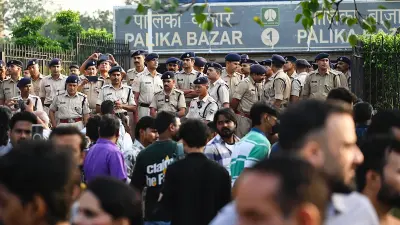
The victim's family and several local residents took to the streets on Sunday, staging a protest against what they describe as complete inaction by civic authorities. Their demand is simple: accountability for a death they believe was entirely preventable.
According to the family, the drain had been left uncovered for a long period, turning a mundane piece of infrastructure into a deadly trap. The protest reflects a deeper frustration with the state of basic civic amenities in the area.
Why an Uncovered Drain Became a Death Trap
For residents, this is not just an isolated incident but a symptom of systemic neglect. An uncovered drain, especially in a residential area, poses a severe risk to children who play outdoors. In this case, the boy's focus was on the kite in the sky, not the gaping hole on the ground.
The tragedy underscores how a momentary lapse in attention, combined with failed civic oversight, can have fatal consequences. It raises urgent questions about the maintenance of public infrastructure and the speed at which complaints are addressed.
The Pattern of Neglect: A Recurring Hazard in Delhi
This incident adds to a troubling pattern in Delhi, where open manholes and uncovered drains have repeatedly claimed lives. While the city has seen campaigns to fix such hazards, the ground reality often remains unchanged, with many drains still missing covers or barricades.
Local residents claim that repeated complaints about this specific drain went unheard. The lack of a timely response, they argue, turned a known hazard into a silent killer.
The Human Cost Behind the Civic Failure
Behind the statistics and official procedures is a family grappling with an irreplaceable loss. The boy's death is a stark reminder that civic negligence has a human face, often striking the most vulnerable—children who see the world as a place to play, not a landscape of hidden dangers.
The emotional toll on the family is immense, and the community's anger is a reflection of their shared grief and fear. Parents in the area now worry about the safety of their own children every time they step out.
Authorities Under Scrutiny: What Is Being Said
While the family and residents have voiced their allegations of negligence, there has been no confirmed official response or statement from the municipal authorities regarding the incident. The protest on Sunday was aimed at forcing a response and ensuring that those responsible are held to account.
The lack of immediate official communication has only deepened the residents' distrust. They are demanding a thorough investigation and a clear commitment to prevent such tragedies in the future.
Beyond the Incident: The Meaning of This Tragedy
This is more than a story about a single accident; it is a commentary on urban safety in India's capital. It highlights the gap between policy and implementation, and the often-lethal consequences when that gap is ignored.
The incident serves as a grim reminder that infrastructure is not just about aesthetics or convenience—it is fundamentally about safety. When that safety is compromised, the cost is measured in human lives.
Confirmed Facts vs What Remains Unclear
Confirmed: A boy died after falling into an uncovered drain in Delhi while chasing a kite. His family and local residents protested on Sunday, alleging civic negligence.
Unclear: The exact age of the victim, the precise location of the incident, and any official response from municipal authorities have not been confirmed in the available information. The status of any formal complaint or investigation also remains unverified.
Safety Gaps and the Demand for Accountability
The core issue here is accountability. While the family grieves, the community is asking who is responsible for ensuring that drains are covered and that public spaces are safe. Without clear ownership and swift action, such incidents are likely to repeat.
Residents are not just mourning a loss; they are demanding systemic change. They want to know why a simple fix—placing a cover on a drain—was not done, and who will be held responsible for this failure.
A Wider Pattern of Urban Infrastructure Failures
This tragedy fits into a broader narrative of urban infrastructure failures across Indian cities. From open manholes to uncovered electrical wires, the lack of basic safety measures often turns everyday environments into danger zones.
The pattern suggests a need for more than just reactive repairs. It calls for proactive audits of public spaces, stricter safety standards, and a mechanism that ensures complaints are addressed promptly and effectively.
What Should Residents and Parents Do Now
In the wake of this tragedy, residents are advised to remain vigilant and report any uncovered drains or manholes to the local municipal corporation immediately. Keeping a record of complaints, including photos and complaint numbers, can help escalate issues.
Parents should also be aware of the potential hazards in their neighbourhoods and caution children about playing near drainage areas. Community awareness and collective action can sometimes force authorities to act faster than individual complaints.
What Happens Next in the Investigation
The immediate next step will likely involve a response from the municipal authorities to the allegations of negligence. Whether this leads to a formal inquiry, disciplinary action, or simply a promise to cover the drain remains to be seen.
The family's protest has put the spotlight on the issue, and the pressure is now on the authorities to respond with more than just words. The community will be watching closely to see if any concrete action follows.
Our Take
This is a heartbreaking story that should never have had to be told. A child's simple joy of chasing a kite turned into a fatal accident because of a basic failure in civic duty. It is a stark reminder that in a city of millions, the smallest details of infrastructure can have the most profound impacts on human life.
While the family seeks justice, the larger question remains: how many more lives must be lost before civic bodies take their responsibility for public safety seriously? This tragedy is not just a news story; it is a call for urgent and meaningful action.
Frequently Asked Questions
What happened in the Delhi drain incident?
A boy in Delhi died after falling into an uncovered drain while chasing a kite. The incident occurred in a residential area, and the family has alleged negligence by civic authorities.
Why are residents protesting in Delhi?
Residents and the victim's family protested on Sunday, alleging that the uncovered drain was a known hazard and that civic authorities failed to act, leading to the boy's death.
What is the official response to the Delhi drain death?
As of the available information, there has been no confirmed official response from municipal authorities. The family and residents are demanding accountability and an investigation.
How can such drain accidents be prevented?
Such accidents can be prevented by ensuring all drains and manholes are covered, conducting regular safety audits, and promptly addressing public complaints about infrastructure hazards.