The American Dream is no longer about getting ahead—it’s about not falling behind. That’s the stark message from a growing chorus of CEOs who agree the U.S. is in the grip of an affordability crisis. But ask them how to fix it, and the consensus quickly fractures.
The Corvette Test: When Success Stops Inspiring
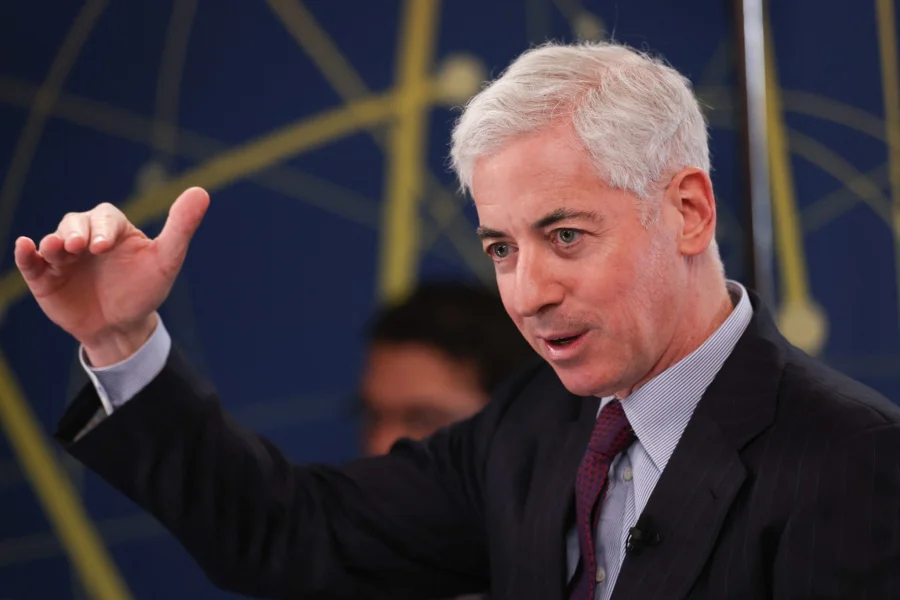
Bill Ackman, the billionaire founder of Pershing Square, recently captured the mood in a Fortune interview. “When I grew up, if a guy in my neighborhood got a Corvette, no one resented the guy,” he said. “Everyone was like, ‘Wow, that’s supercool. Hopefully, someday I can be as successful as that guy so I can buy a Corvette, too.’” Today, he argues, that same success often triggers envy, not aspiration. The shift, he believes, reflects a deeper economic anxiety—where rising costs for housing, healthcare, and education have made the ladder to prosperity feel broken.
Why the American Dream Feels Out of Reach
The affordability crisis isn’t just about inflation. It’s about structural stagnation. Real wages for many workers have barely budged in decades, while the cost of a home, a college degree, or even a reliable car has soared. For millions, the dream of owning a home or retiring comfortably now feels like a luxury. CEOs across sectors—from finance to retail—acknowledge this reality in private boardrooms and public forums. Yet translating that awareness into action has proven difficult.
From Boardroom Consensus to Policy Gridlock
While leaders agree on the diagnosis, the prescription divides them. Some advocate for tax cuts and deregulation to spur business investment and job growth. Others push for higher minimum wages, expanded social safety nets, or government intervention in housing markets. Ackman himself has called for a return to a culture that celebrates success without resentment—but critics argue that sentiment alone won’t lower rent or tuition bills. The result is a policy gridlock that mirrors the broader political divide in Washington.
Who Feels the Squeeze Most
The burden isn’t evenly shared. Younger generations, particularly millennials and Gen Z, face a housing market that is historically unaffordable. Student debt weighs heavily on their ability to save. Meanwhile, older workers worry about retirement security as healthcare costs climb. The crisis cuts across income brackets, but it hits hardest those in the middle—families who earn too much for government aid but too little to build real wealth.
What CEOs Are Saying—and Not Saying
In interviews and earnings calls, CEOs often point to external factors: supply chain disruptions, labor shortages, regulatory burdens. Few publicly address the role of corporate pricing power or shareholder demands in driving costs higher. Ackman’s cultural framing—focusing on attitudes rather than structural fixes—has drawn both praise and skepticism. Supporters say it’s a necessary conversation about values. Detractors argue it sidesteps the hard work of policy reform.
The Deeper Divide: Growth vs. Redistribution
At its core, the debate over solving the affordability crisis reflects a fundamental disagreement about the economy. One camp believes that faster growth—fueled by innovation, deregulation, and lower taxes—will lift all boats. The other argues that without deliberate redistribution, the gains will continue flowing to the top. Both sides have evidence. Neither has a clear path to consensus.
Confirmed Facts vs What Remains Unclear
Confirmed: CEOs across industries acknowledge an affordability crisis. Bill Ackman’s Corvette analogy is a widely cited example. Housing, education, and healthcare costs have risen faster than wages for decades. Unclear: Whether any unified CEO-led solution can emerge. The effectiveness of cultural versus policy fixes remains debated. No specific legislative proposal has gained broad corporate backing.
Company Moat: Why Ackman’s Voice Matters
Bill Ackman is not just any CEO. As founder of Pershing Square Capital Management, he manages billions and wields significant influence in corporate America. His public commentary often moves markets and shapes investor sentiment. His focus on the affordability crisis signals that even the wealthiest leaders recognize the threat to social stability—and to the long-term health of the economy.
Risks and Balanced View
Critics warn that focusing on cultural attitudes risks ignoring systemic issues like wage stagnation, corporate consolidation, and housing shortages. Some argue that CEOs who acknowledge the crisis but resist structural reforms are engaging in performative concern. Others counter that business leaders lack the power to solve problems that require government action. The risk is that the conversation stalls, leaving millions without relief.
Wider Trend: The Crisis of Middle-Class Confidence
The affordability crisis is part of a broader erosion of trust in institutions—government, corporations, and the economy itself. Polls show that a majority of Americans believe the next generation will be worse off. This pessimism fuels political polarization and social unrest. CEOs who ignore it do so at their own risk.
Practical Reader Guidance: What You Can Do
For individuals feeling the squeeze, experts recommend focusing on what you can control: building emergency savings, investing in skills that boost earning potential, and exploring housing alternatives like co-living or remote work in lower-cost areas. Stay informed about policy proposals that affect your wallet—from tax credits to rent control—and vote accordingly.
Future Outlook: No Quick Fix, but Pressure Builds
Expect the affordability crisis to remain a central theme in corporate and political discourse. As the 2024 election approaches, candidates will offer competing solutions. CEOs may increase their advocacy for specific policies, but deep divisions will likely prevent a unified business response. The pressure to act—from employees, customers, and voters—will only grow.
Our Take
The affordability crisis is not just an economic problem—it’s a test of leadership. CEOs who acknowledge it are taking an important first step. But acknowledgment without action risks deepening public cynicism. The real challenge is not agreeing on the problem, but finding the courage to champion solutions that may be unpopular with shareholders or political allies. The American Dream may depend on it.
Frequently Asked Questions
What is the affordability crisis CEOs are talking about?
It refers to the growing gap between rising costs for housing, healthcare, and education, and stagnant wages for many workers. CEOs like Bill Ackman argue it threatens the American Dream.
Why is Bill Ackman’s Corvette analogy important?
Ackman used the analogy to illustrate how success once inspired aspiration but now breeds resentment, reflecting deeper economic anxiety about affordability and mobility.
Are CEOs proposing any concrete solutions?
There is no unified plan. Some advocate for tax cuts and deregulation; others support wage increases and housing subsidies. The debate remains divided.
How does the affordability crisis affect ordinary people?
It makes homeownership, education, and retirement feel out of reach for many middle- and working-class families, fueling pessimism about the future.