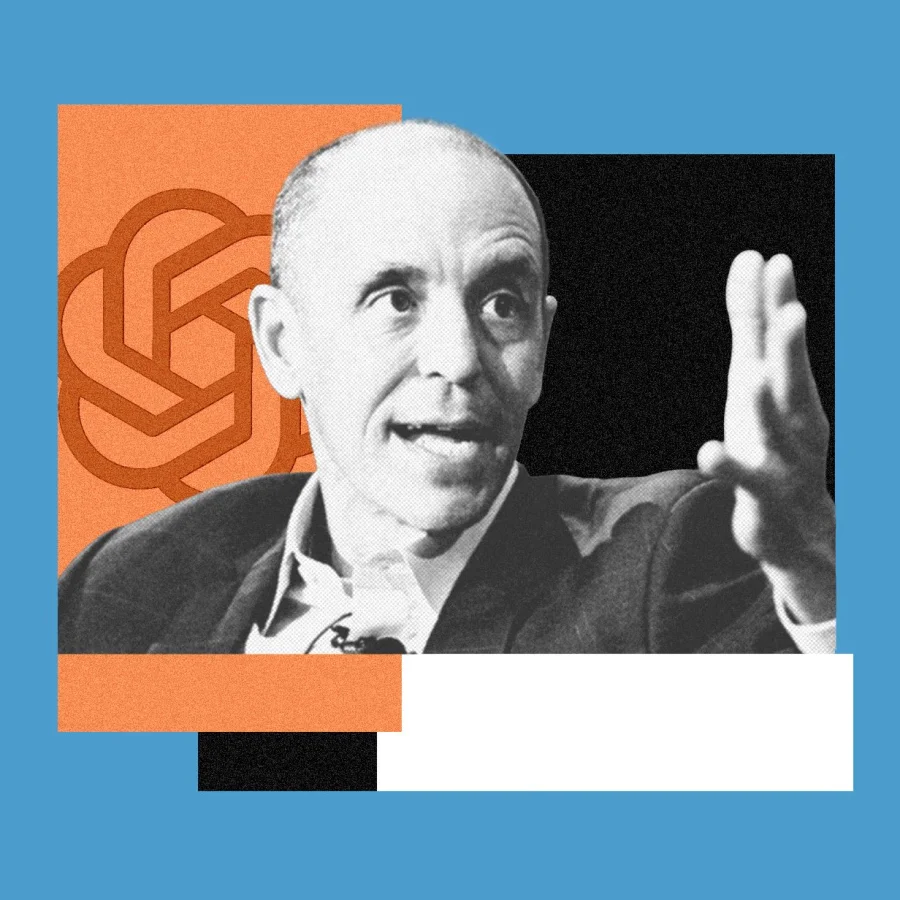
When OpenAI hired Chris Lehane, the company didn’t just get a new executive. It got a crisis manager with a legendary nickname: the “Master of Disaster.” His job? To fix something that may be more fragile than any AI model—the public’s trust.
Lehane, who built his reputation handling political scandals and tech blowups, now faces his biggest challenge yet. He must convince a skeptical world that AI is not a threat, while simultaneously ensuring that new laws don’t slow down OpenAI’s rapid ascent. It’s a delicate balancing act, and the stakes couldn’t be higher.
Who Is Chris Lehane and Why Did OpenAI Hire Him?
Chris Lehane is not a typical tech executive. He’s a political operative who served in the Clinton White House and later became a crisis communications specialist for companies like Airbnb and Uber during their most turbulent periods. His nickname, “Master of Disaster,” comes from his ability to navigate scandals, regulatory battles, and public outrage.
Now, OpenAI has brought him in as its Global Affairs chief. The company’s reasoning is clear: as AI becomes more powerful and more controversial, OpenAI needs someone who can manage the narrative, influence policymakers, and protect the company’s interests. Lehane’s job is to tone down the heated debate over AI’s societal impacts and push for state-level laws that won’t derail OpenAI’s growth.
Why This Matters Right Now
This isn’t just a corporate hire. It’s a signal that OpenAI recognizes a growing crisis of confidence. From fears about job displacement to concerns over AI safety and bias, the public mood is shifting from excitement to anxiety. Governments around the world are racing to regulate AI, and the rules they write could shape the industry for decades.
If Lehane succeeds, OpenAI could operate in a friendlier regulatory environment, with fewer restrictions and more public support. If he fails, the company could face a backlash that slows its progress, damages its brand, and invites stricter oversight. For anyone who uses AI—or worries about it—this story matters.
How the Reputation Crisis Unfolded
OpenAI’s reputation problems didn’t happen overnight. The company started as a non-profit with a mission to develop AI safely and for the benefit of humanity. But as it grew, critics accused it of prioritizing profits over safety, rushing products to market, and being less transparent than promised.
Key moments include the high-profile departure of safety researchers, concerns about the company’s relationship with Microsoft, and public disputes over the pace of AI development. The launch of ChatGPT was a massive success, but it also brought intense scrutiny. Suddenly, everyone was talking about AI risks, and OpenAI was at the center of the storm.
Enter Chris Lehane. His task is to rewrite the narrative—to shift the conversation from fear to opportunity, and to position OpenAI as a responsible partner in shaping AI’s future.
Who Is Affected and What Officials Are Saying
The impact of Lehane’s work will be felt by multiple groups. For everyday users, it could mean more trustworthy AI products and clearer communication about risks. For investors, it could mean a more stable regulatory environment. For policymakers, it means a powerful new voice in the debate over AI laws.
According to reports, Lehane has already begun meeting with state legislators and federal officials, advocating for rules that encourage innovation while addressing safety concerns. His approach is pragmatic: he wants to avoid a patchwork of conflicting state laws that could hurt OpenAI’s business, while also acknowledging that some regulation is inevitable.
Critics, however, are skeptical. They worry that Lehane’s real goal is to weaken regulations and protect OpenAI’s bottom line, not to protect the public. The tension between these two views will define the coming months.
What We Know So Far — and What Remains Unclear
Here’s what’s confirmed: Chris Lehane is OpenAI’s Global Affairs chief. He has a track record of managing crises for major companies. He is actively working to influence AI regulation at the state level.
What remains unclear is how effective he will be. Can he truly change public opinion about AI? Will his lobbying efforts succeed in shaping laws that are favorable to OpenAI? And most importantly, can he do this without sacrificing the safety and transparency that the public demands?
There are also questions about OpenAI’s internal culture. Some former employees have raised concerns about the company’s commitment to safety. Lehane’s external messaging may not matter if internal problems persist.
Risks, Concerns, and the Balanced View
Lehane’s strategy carries significant risks. If he is seen as too aggressive in fighting regulation, it could backfire and fuel more public distrust. If he downplays AI risks too much, he could be accused of gaslighting the public. The line between managing a crisis and manipulating the narrative is thin.
On the other hand, OpenAI has legitimate reasons to want sensible regulation. Overly restrictive laws could stifle innovation, push AI development to other countries, and limit the benefits that AI can bring. A balanced approach—one that protects safety without choking progress—is what many experts advocate for.
The key question is whether Lehane can achieve that balance, or whether his efforts will be seen as a corporate power play.
Why Similar Reputation Crises Are Growing in Tech
OpenAI is not alone. Tech companies across the industry are facing a crisis of trust. From social media platforms to search engines, the public is increasingly skeptical of big tech’s motives. The rise of AI has only intensified these concerns.
Companies like Meta, Google, and Microsoft have all hired crisis managers and lobbyists to navigate this landscape. But OpenAI’s situation is unique because AI is still new and poorly understood. The stakes are higher, and the potential for fear is greater.
Lehane’s approach could become a template for how other AI companies handle their own reputation challenges. If he succeeds, it could reshape the entire industry’s relationship with the public.
- Lehane previously worked for Airbnb during its regulatory battles with cities over short-term rentals.
- He also advised Uber during its scandals over safety and corporate culture.
- His political background includes work on Al Gore’s 2000 presidential campaign.
“The goal is to have a conversation that is grounded in reality, not in science fiction.” — Chris Lehane, on his approach to AI regulation.
What Readers, Users, and Investors Should Know Now
For anyone following AI, this is a story to watch. Lehane’s actions will signal how OpenAI plans to handle its biggest challenges. If you use AI tools, pay attention to how the company communicates about safety and regulation. If you invest in AI, consider how regulatory outcomes could affect the industry.
For now, the best approach is to stay informed. Read about proposed AI laws in your state. Listen to what OpenAI says—and what it doesn’t say. And remember that reputation crises are rarely solved by one person, no matter how skilled they are.
What Could Happen Next
In the coming months, expect to see more public statements from Lehane, more meetings with lawmakers, and more efforts to shape the narrative around AI. OpenAI may also announce new safety initiatives or partnerships designed to build trust.
However, the real test will come when a major AI incident occurs—a model failure, a data breach, or a controversial use case. How Lehane handles that moment will determine whether his reputation as the “Master of Disaster” holds up.
If he succeeds, OpenAI could emerge stronger, with a clearer path to growth. If he fails, the company could face its biggest crisis yet.
Our Take: Why This Story Matters Beyond One Company
This isn’t just about OpenAI. It’s about how we, as a society, decide to govern one of the most transformative technologies in history. The battle over AI regulation is just beginning, and the outcome will affect everyone.
Chris Lehane is a fascinating figure because he represents a new kind of power in the tech world: the power to shape perception. In an era of information overload and deep distrust, that power may be more valuable than any algorithm.
Whether you see him as a savior or a spin doctor, one thing is clear: the “Master of Disaster” is now at the center of AI’s biggest debate. And the world is watching.
FAQs
Who is Chris Lehane and why is he called the ‘Master of Disaster’?
Chris Lehane is a crisis communications expert and political strategist. He earned the nickname “Master of Disaster” for his work managing scandals and regulatory battles for companies like Airbnb and Uber, as well as his role in political campaigns. OpenAI hired him as its Global Affairs chief to handle its reputation and influence AI regulation.
What is OpenAI’s reputation crisis about?
OpenAI faces growing public distrust over concerns about AI safety, transparency, and the pace of development. Critics accuse the company of prioritizing profits over safety, while governments are rushing to regulate AI. This has created a crisis of confidence that could affect OpenAI’s growth and public acceptance.
How is Chris Lehane planning to fix AI’s reputation?
Lehane aims to tone down the heated debate over AI’s societal impacts by promoting a more grounded conversation. He is also working to influence state-level AI regulation, advocating for laws that encourage innovation while addressing safety concerns. His strategy involves lobbying, public messaging, and building relationships with policymakers.
What are the risks of OpenAI’s approach to reputation management?
If Lehane is seen as too aggressive in fighting regulation, it could backfire and increase public distrust. Downplaying AI risks could also lead to accusations of manipulation. The biggest risk is that external messaging may not address internal problems, such as concerns about safety culture within OpenAI.