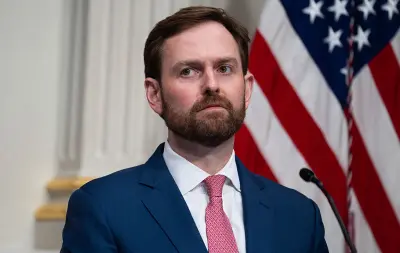
The AI industry's most valuable currency is its people, and the latest high-profile move proves the market for top talent remains as volatile as ever. Barret Zoph, a co-founder of Thinking Machines Lab, has made another significant career shift, landing at Google after a brief and notable return to OpenAI. The news sends a clear signal about the fierce competition shaping the future of artificial intelligence.
A Rapid Return and an Immediate Departure
Zoph's professional journey has been anything but linear in recent months. After co-founding Thinking Machines Lab with Mira Murati, he served as the startup's Chief Technology Officer. His subsequent decision to rejoin OpenAI was seen as a major win for the company, but that reunion was evidently short-lived. Now, his arrival at Google marks yet another twist in a career defined by high-level moves between the industry's most influential organizations.
Why This Talent Shuffle Matters for the AI Race
This is not just a story about one executive's resume. The movement of a researcher of Zoph's caliber has ripple effects across the entire sector. It represents a transfer of expertise, institutional knowledge, and strategic vision from one powerhouse to another. For Google, acquiring a leader with Zoph's background in both frontier lab research and startup leadership could bolster its efforts to maintain a competitive edge in the rapidly accelerating AI landscape.
The Thinking Machines Connection
Zoph's brief tenure at Thinking Machines Lab placed him at the heart of a venture founded by prominent figures from OpenAI's past. The startup itself was a statement about the desire for independent, cutting-edge AI research. His departure from that project, followed by the quick pivot through OpenAI and now to Google, illustrates how quickly alliances and allegiances can shift in this field.
What This Means for Researchers and the Industry
For engineers and researchers watching from the sidelines, this move is a reminder that career paths in AI are becoming increasingly dynamic. The traditional model of staying at one lab for years is giving way to a more fluid environment where top talent can—and does—move between competitors. This fluidity drives innovation but also raises questions about the stability of long-term research projects when key leaders change teams.
Google's Strategic Gain
By bringing Zoph into the fold, Google adds a proven leader with deep technical expertise and a unique perspective gained from both a major lab and a startup environment. His experience could be instrumental in navigating the complex challenges of scaling AI models, improving safety protocols, and translating research breakthroughs into practical products. The specific team he will join has not been announced, but the potential for impact is significant.
Confirmed Facts vs What Remains Unclear
What is confirmed is that Zoph has moved to Google after his brief stint at OpenAI. It is also confirmed that he co-founded Thinking Machines Lab and served as its CTO. What remains unclear is the exact nature of his role at Google, the reasons behind his rapid departure from OpenAI, and how his work will integrate with existing Google DeepMind or other AI divisions. These details are still emerging.
The Broader Pattern of AI Leadership Moves
Zoph's journey is part of a larger trend of high-profile shuffles across the AI industry. The competition for talent between OpenAI, Google, Anthropic, and a host of well-funded startups has created a highly dynamic employment market. These moves often come with significant compensation packages and the promise of leading ambitious, resource-heavy projects. For the companies involved, securing a top name can be a powerful signal to investors and the broader market.
What Should Industry Watchers Do Now?
For those tracking the AI sector, this development is worth monitoring for its strategic implications. Watch for official announcements from Google regarding Zoph's title and focus area. Pay attention to any shifts in Google's research priorities or product roadmaps that might align with his known expertise. For professionals in the field, it serves as a reminder of the value of adaptability and the importance of building a career that can navigate the industry's rapid changes.
Future Outlook: A New Chapter at Google
The next chapter for Zoph at Google will be closely observed. Will he lead a new research initiative, contribute to existing flagship models, or take on a broader strategic role? The answers will likely emerge in the coming months. His success will depend on how effectively he can translate his unique experience into tangible progress within one of the world's largest and most complex technology organizations.
Our Take
Barret Zoph's move to Google is more than a headline; it is a snapshot of the current state of the AI industry. It highlights the immense value placed on individual expertise and the lengths companies will go to secure it. While the immediate impact of his arrival will take time to materialize, the move reinforces the reality that the race for AI supremacy is as much about attracting and retaining brilliant minds as it is about computational power and data. This is a win for Google, a question mark for OpenAI, and a fascinating development for everyone watching the future of technology unfold.
Frequently Asked Questions
Who is Barret Zoph?
Barret Zoph is a prominent AI researcher and executive. He co-founded Thinking Machines Lab, a startup focused on AI research, and previously held leadership roles at OpenAI. He has now joined Google.
What is Thinking Machines Lab?
Thinking Machines Lab is an AI research company co-founded by Barret Zoph and Mira Murati, among others. It was established to pursue independent and advanced artificial intelligence research.
Why did Barret Zoph leave OpenAI?
The specific reasons for Zoph's departure from OpenAI have not been publicly disclosed. His time there was brief, and he has since moved on to a new role at Google.
What will Barret Zoph do at Google?
Google has not yet announced the specific details of Zoph's role. Given his background, he is expected to contribute to the company's AI research and development efforts, potentially within its DeepMind division.