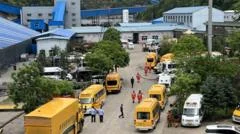
At least 90 miners have been killed in a gas explosion at a coal mine in northern China's Shanxi province, according to Chinese state media. The blast, which occurred on Thursday, is now the country's deadliest mining disaster in 16 years — a grim milestone that has sent shockwaves through the industry and reignited urgent questions about worker safety in one of the world's largest coal-producing nations.
Rescue operations are ongoing, but officials have confirmed that the death toll is expected to remain at 90, with no survivors found in the affected area. The tragedy has left families grieving, communities in mourning, and a nation once again confronting the human cost of its energy dependence.
How the Shanxi Coal Mine Explosion Unfolded
According to reports from Chinese state media, the explosion was caused by a buildup of gas — likely methane — inside the mine. The blast occurred deep underground, trapping dozens of workers instantly. Emergency response teams were dispatched to the site, but the scale of the explosion made rescue efforts extremely difficult.
The mine, located in Shanxi province — a region that produces nearly a third of China's coal — had been operating under standard safety protocols, though investigations into the exact cause of the gas leak are now underway. Initial reports suggest that elevated carbon monoxide levels were detected shortly before the blast, but it remains unclear whether warnings were issued in time.
Why This Matters Right Now
This disaster is not just a tragedy for the families of the 90 victims — it is a stark reminder of the persistent dangers faced by millions of coal miners across China. Despite significant improvements in mining safety over the past decade, accidents like this one show that risks remain high, especially in older or poorly maintained mines.
The blast also comes at a time when China is under global scrutiny for its continued reliance on coal, even as it pushes for carbon neutrality by 2060. The human cost of that reliance is now tragically visible once again. For the international community, this disaster raises uncomfortable questions about labor rights, safety enforcement, and the true price of energy production.
Who Is Affected and What Officials Are Saying
The immediate impact is on the families of the 90 miners who lost their lives. Many of these workers were from local communities in Shanxi, where coal mining is a primary source of employment. Grief and anger are spreading as details of the explosion emerge.
Chinese state media has reported that local government officials have launched a full investigation into the incident. The mine's management has been detained for questioning, and safety inspectors have been dispatched to other mines in the region. However, no official statement from the central government has been released yet, and access to the site remains restricted to authorized personnel.
International observers, including human rights groups, are calling for a transparent investigation and for the findings to be made public. The Chinese government has historically been reluctant to share detailed information about mining disasters, citing national security concerns.
What We Know So Far — and What Remains Unclear
What we know:
- At least 90 miners were killed in a gas explosion at a coal mine in Shanxi province.
- The blast occurred on Thursday, May 22, 2026.
- Chinese state media has confirmed the death toll, calling it the worst mining disaster in 16 years.
- Rescue operations have concluded, with no survivors found.
- The mine's management has been detained for investigation.
What remains unclear:
- The exact cause of the gas buildup and explosion.
- Whether safety protocols were violated or ignored.
- The full list of victims and their identities.
- Whether any workers managed to escape before the blast.
- The long-term consequences for mining operations in Shanxi and across China.
Risks, Concerns, and the Balanced View
This disaster highlights several critical risks and concerns:
- Worker safety: Despite improved regulations, coal mining remains one of the most dangerous occupations in China. Gas explosions, roof collapses, and flooding are constant threats.
- Enforcement gaps: Critics argue that safety laws are often poorly enforced, especially in smaller or privately operated mines where profit margins are thin.
- Transparency issues: The Chinese government's tendency to limit information about mining accidents makes it difficult to assess the true scale of the problem or to hold responsible parties accountable.
- Economic pressure: China's continued reliance on coal for energy production creates a tension between economic output and worker safety. Mines are often pushed to maximize production, sometimes at the expense of safety measures.
On the other hand, supporters of China's mining industry point out that the number of mining fatalities has dropped significantly over the past two decades, thanks to better technology and stricter regulations. They argue that this disaster, while tragic, is an exception rather than the rule.
Why Similar Trends or Concerns Are Growing
China's mining industry has long been plagued by accidents. The deadliest mining disaster in modern Chinese history occurred in 2009, when a gas explosion at a coal mine in Heilongjiang province killed 108 people. Since then, the government has implemented a series of safety reforms, including the closure of thousands of small, unsafe mines and the introduction of mandatory safety training.
However, the sheer scale of China's coal industry — which produces over 4 billion tons of coal annually — means that risks remain high. Many mines are aging, and the demand for coal continues to drive production. As global energy prices fluctuate, there is always pressure to cut corners.
This latest disaster is likely to intensify calls for stricter enforcement of safety regulations and for greater transparency in the mining sector. It may also accelerate China's transition to cleaner energy sources, though such a shift is likely to take decades.
"Rescue operations have concluded, and the death toll stands at 90. An investigation into the cause of the explosion is underway." — Chinese state media report
What Readers, Users, or Investors Should Know Now
For those following this story, here are the key takeaways:
- For families of miners: If you have relatives working in coal mines in Shanxi or other regions, stay in contact with local authorities for updates on safety inspections.
- For investors: Companies with exposure to Chinese coal mining operations may face increased regulatory scrutiny and potential legal liabilities. Monitor stock movements and official announcements.
- For the general public: This tragedy is a reminder of the human cost behind energy production. Supporting transparent and ethical supply chains can help drive change.
What Could Happen Next
In the coming days and weeks, we can expect:
- A formal investigation report from Chinese authorities, though details may be limited.
- Possible shutdowns of other mines in Shanxi for safety inspections.
- Increased media coverage and public outcry, both domestically and internationally.
- Potential policy announcements from the Chinese government regarding mining safety reforms.
- Legal action against the mine's management if negligence is found.
Our Take: Why This Story Matters Beyond One Incident
The Shanxi coal mine explosion is not just a local tragedy — it is a global story about the intersection of energy, labor, and safety. As the world's largest coal producer and consumer, China's mining practices have implications for global energy markets, climate policy, and human rights.
This disaster should serve as a wake-up call for governments, companies, and consumers alike. Every ton of coal extracted carries a risk, and every life lost is a reminder that safety cannot be compromised for profit. The families of the 90 victims deserve answers, accountability, and a commitment to preventing such a tragedy from ever happening again.
FAQs
What caused the coal mine explosion in Shanxi, China?
According to Chinese state media, the explosion was caused by a buildup of gas — likely methane — inside the mine. The exact source of the gas leak is still under investigation.
How many people died in the Chinese coal mine blast?
At least 90 miners were killed in the explosion, making it the deadliest mining disaster in China in 16 years. Rescue operations have concluded with no survivors found.
Is this the worst mining disaster in China's history?
No. The worst mining disaster in modern Chinese history occurred in 2009, when a gas explosion at a coal mine in Heilongjiang province killed 108 people. However, this is the deadliest since then.
What safety measures exist for coal miners in China?
China has implemented a range of safety regulations, including mandatory gas monitoring, ventilation systems, and emergency response protocols. However, enforcement remains inconsistent, especially in smaller or older mines.