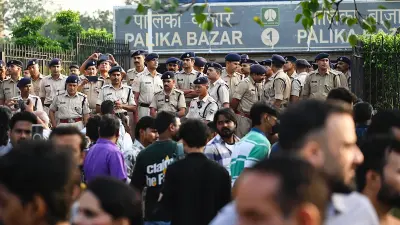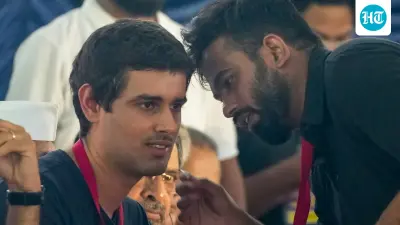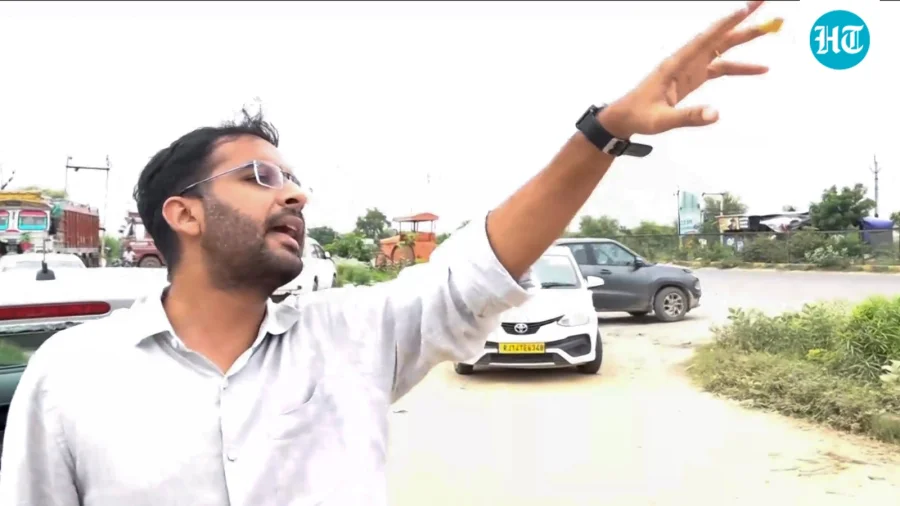
The blame game over the alleged assault in Jaipur has taken a sharp turn. CJP spokesperson Ashutosh Ranka has stepped forward with a direct appeal: stop pointing fingers at the local villagers. Instead, he claims, the real instigators were brought in from outside.
Ranka's Core Allegation: An Outside Hand in Jaipur Violence
Speaking on the controversy, Ranka asserted that the local community is being unfairly targeted. "Don't blame villagers," he urged, insisting that the people responsible for the violence were not residents of the area. He alleged that these individuals were "sent from outside" with the specific intent to "incite violence."
Why This Statement Shifts the Jaipur Narrative
This reaction is significant because it reframes the entire incident. If true, it moves the focus from a local dispute to a premeditated act of provocation. For the public, this raises urgent questions: Who sent these people? And what was their motive? The claim suggests a level of organization that contradicts the initial assumption of a spontaneous clash.
Background: How the Alleged Assault Escalated Tensions
The alleged assault had already created a volatile atmosphere in the region. As news spread, anger began to simmer against the local population, with many jumping to conclusions based on incomplete information. Ranka's intervention appears designed to halt that narrative in its tracks, urging calm and caution before the situation spirals further.
The Human Impact: A Community Under Suspicion
For the villagers, this has been a distressing period. Being blamed for an act they may not have committed carries a heavy social cost. Ranka's defense of the community is a crucial counter-narrative that could protect innocent residents from retaliation or social ostracism. It highlights how quickly reputations can be damaged in the absence of verified facts.
Official Response and the Demand for Proof
While Ranka's statement is firm, it is not yet a formal police finding. The claim of an "outside hand" requires evidence. Authorities are now under pressure to trace the origins of the alleged instigators. The public will be watching closely to see if the investigation corroborates Ranka's assertion or if it remains a contested allegation.
Analysis: Reading Between the Lines of the Accusation
This is more than just a plea for fairness; it is a strategic communication move. By blaming outsiders, Ranka is attempting to de-escalate local friction and redirect anger toward a common, unnamed enemy. It is a classic method of conflict management, but it also carries risk. If the claim is not substantiated, it could deepen mistrust and fuel further speculation.
Confirmed Facts vs. What Remains Unclear
Confirmed: Ashutosh Ranka has publicly stated that villagers should not be blamed and that outsiders were involved.
Unclear: The identity of these alleged outsiders, their motives, and the evidence supporting this claim have not been officially disclosed. The details of the original assault itself remain under investigation.
Risks and the Need for a Balanced View
While Ranka's defense of the villagers is commendable for its intent to prevent mob mentality, it also introduces a new variable. Accusations of external conspiracy can sometimes be used to obscure local issues. It is essential that the public hears the full findings of the investigation before accepting any single version of events. The truth likely lies in the details that have yet to emerge.
A Wider Pattern: The Politics of Blame in Local Conflicts
This incident reflects a broader trend seen across India, where local disputes are often complicated by allegations of outside interference. Whether it is political provocation or communal incitement, the "outsider" narrative is a recurring theme. Understanding this pattern helps readers see that this is not an isolated incident but part of a larger, complex social dynamic.
What Should Residents and Readers Do Now?
For those following the story, the immediate advice is to avoid sharing unverified information on social media. The situation is fluid, and misinformation could incite further tension. Residents should await the official police report and rely on credible news sources for updates. Patience is critical in ensuring that justice is served without collateral damage to innocent communities.
Future Outlook: What Happens Next in the Investigation?
The coming days will be crucial. Investigators will likely focus on CCTV footage, mobile phone records, and witness statements to trace the alleged outsiders. If Ranka's claim is verified, it could lead to arrests of non-local individuals. If not, the statement may be seen as a defensive tactic. Either way, the resolution will shape public trust in both the leadership and the law enforcement process.
Our Take
Ashutosh Ranka's reaction is a bold attempt to control a volatile narrative. By shielding the villagers, he is prioritizing social harmony over quick judgment. However, the weight of his claim rests entirely on the evidence that follows. In a digital age where opinions form in minutes, his appeal for restraint is a reminder that the truth requires time to surface. This story is a test of whether measured words can hold back the tide of public anger.
Frequently Asked Questions
Who is Ashutosh Ranka?
Ashutosh Ranka is a spokesperson for the CJP (a political or social organization). He has publicly commented on the alleged assault in Jaipur, urging the public not to blame local villagers.
What did Ashutosh Ranka say about the Jaipur assault?
He stated that villagers should not be blamed for the incident. He alleged that people were sent from outside the area to incite violence, suggesting a pre-planned provocation.
Why is Ranka defending the villagers?
He believes the local community is being unfairly targeted for an act they may not have committed. He is attempting to prevent mob mentality and protect innocent residents from backlash.
Has the police confirmed Ranka's claim about outsiders?
No. As of now, this is an allegation made by the spokesperson. The official police investigation is ongoing, and the claim has not yet been independently verified or confirmed by authorities.