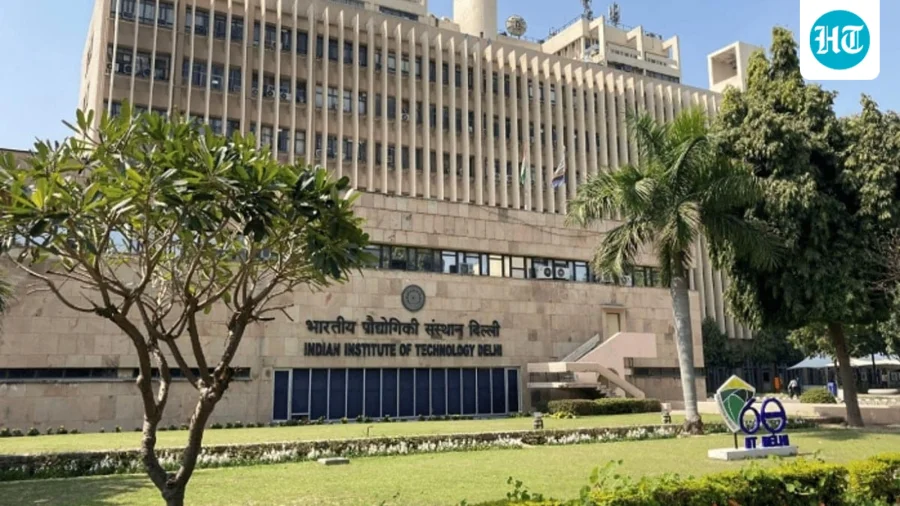
The death of a 31-year-old at IIT Delhi has taken a legal turn, with police registering an abetment to suicide case even as students stage protests demanding accountability. The unrest has placed one of India's most prestigious institutions under a harsh spotlight, raising questions about campus governance and student welfare.
Abetment Case Registered Amid Campus Tension
Delhi Police have formally registered a case of abetment to suicide in connection with the death, according to official statements. The legal move comes as student groups intensify their protests, alleging that certain officials' actions may have contributed to the tragic incident. The specific individuals named in the case have not been identified publicly at this stage.
Why This Death Has Triggered Such Strong Reaction
The death has resonated deeply within the IIT Delhi community because it touches on broader concerns about mental health support, administrative responsiveness, and the pressures faced by individuals within elite academic environments. For students, the incident is not isolated — it reflects anxieties about whether institutional mechanisms are adequate to protect those in distress.
How the Protests Escalated
What began as expressions of grief quickly transformed into organised demonstrations. Students have been vocal in their demand for the resignation of certain officials, whom they hold responsible for failures that may have preceded the death. The protests have included sit-ins and public statements, drawing attention from alumni and the wider academic community.
Who Is Affected by This Unrest
The immediate impact falls on the IIT Delhi student body and staff, who are navigating a charged atmosphere on campus. Beyond the institute, the incident has implications for how higher education institutions across India handle student grievances and mental health crises. Families of students nationwide are watching closely, concerned about the safety nets available to their children.
Police and Institute Response So Far
While police have confirmed the registration of the abetment case, they have not released detailed findings from the preliminary inquiry. IIT Delhi administration has acknowledged the protests but has not issued a detailed public response regarding the resignation demands. The lack of a clear official statement has added to the frustration among protesters.
What an Abetment to Suicide Case Actually Means
Under Indian law, abetment to suicide involves instigating, aiding, or provoking a person to take their own life. It is a serious charge that requires evidence of intent or active involvement. Legal experts note that such cases are complex to prove, and the investigation will need to establish a clear link between any alleged actions and the death.
Confirmed Facts vs What Remains Unclear
What is confirmed: a 31-year-old person died, police have registered an abetment to suicide case, and students are protesting with demands for resignations. What remains unclear: the identity of the deceased, the specific circumstances of the death, the names of officials implicated, and the evidence supporting the abetment charge. All of these details await official disclosure.
Risks and the Need for a Balanced View
While student protests reflect genuine grief and demand accountability, there is also a need for due process. Accusations of abetment carry serious legal consequences, and the investigation must be allowed to proceed without prejudice. At the same time, the institute must address the underlying concerns raised by students to prevent further escalation.
A Pattern of Campus Unrest Across India
This incident at IIT Delhi is part of a wider pattern of student activism in Indian higher education, where deaths on campus have frequently sparked protests over mental health provisions and administrative accountability. Each case reignites a national conversation about the pressures of academic life and the responsibilities of institutions.
What Students and Families Should Know Now
For those within the IIT system, the immediate advice is to stay informed through official channels and to participate in dialogue rather than confrontation. Families of students should maintain open communication with their children and be aware of the mental health resources available on campus. The situation is fluid, and official updates should be monitored.
What Happens Next in This Case
The investigation will proceed with statements being recorded and evidence examined. The abetment charge will either be substantiated or dropped based on findings. Meanwhile, the institute faces the challenge of restoring normalcy while addressing legitimate student concerns. The coming weeks will be critical in determining both the legal outcome and the future of campus governance at IIT Delhi.
Our Take
This is a moment that demands more than procedural responses. A life has been lost, and a community is in pain. While the legal process must run its course, the deeper issue — whether institutions are doing enough to support individuals in crisis — cannot be ignored. The outcome of this case will be watched not just for its legal implications, but for what it signals about the state of student welfare in India's top academic institutions.
Frequently Asked Questions
What is an abetment to suicide case?
It is a legal charge under the Indian Penal Code where a person is accused of instigating, aiding, or provoking another person to commit suicide. It requires evidence of intent or active involvement in the act.
Why are IIT Delhi students protesting?
Students are demanding the resignation of certain officials following the death of a 31-year-old, alleging that administrative failures may have contributed to the tragedy.
Has anyone been arrested in connection with the case?
As of now, police have registered the case but have not publicly announced any arrests. The investigation is in its early stages.
What should students do if they are facing distress on campus?
Students should reach out to campus counselling services, speak with trusted faculty or peers, and utilise mental health helplines. Institutions typically have support systems in place that can be accessed confidentially.