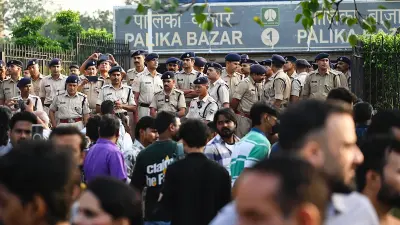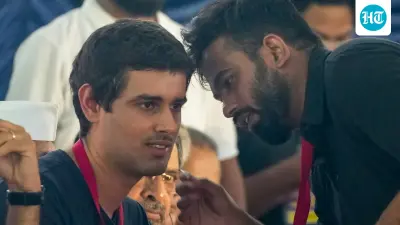
The All-India Students’ Association (AISA) has thrown its weight behind the Cockroach Janta Party’s proposed 5 September march in Delhi, reigniting a confrontation that many believed had cooled. The demand is blunt: withdraw every FIR against student protesters and investigate the alleged police firing during earlier demonstrations. For thousands of students who have faced legal notices, this is not a political slogan — it is about whether they can return to normal academic life without fear of arrest.
Why the 5 September march is gathering political weight
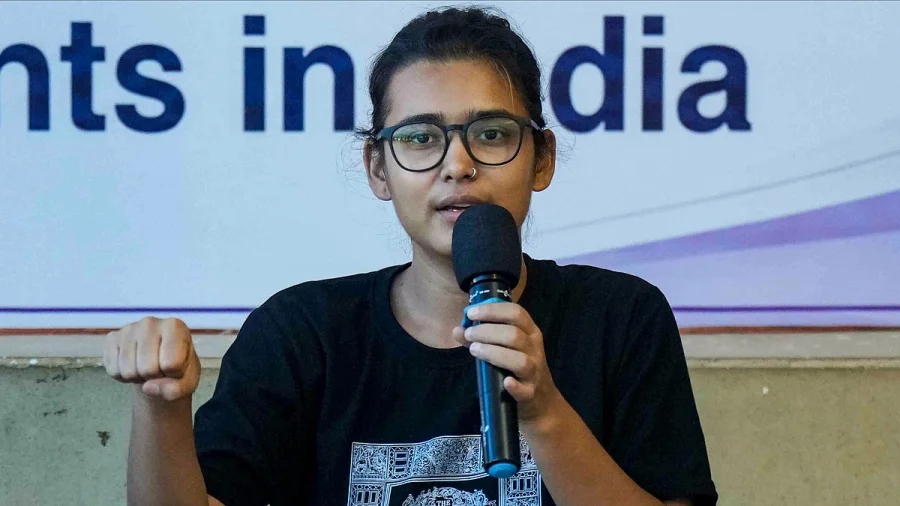
AISA’s backing transforms what could have been a fringe mobilisation into a broader student-front alliance. The organisation’s president, Neha Bora, made the position clear on Wednesday while speaking to PTI. She argued that the issues behind the original youth protests remain unresolved, with cases still pending against students despite an earlier government commitment to withdraw them. The march, therefore, is not a fresh agitation but a continuation of an unfinished demand.
The unresolved promise: FIRs that never disappeared
The core grievance is straightforward. During previous protest waves, multiple FIRs were registered against students under various sections. At one point, the government indicated a willingness to withdraw cases to de-escalate tensions. However, according to AISA, many students still face active legal proceedings. This gap between assurance and action is what the 5 September march seeks to expose. For affected students, the stakes are personal — pending cases can block education loans, job applications, and even passport issuance.
How the student protest movement reached this point
The current confrontation did not emerge in a vacuum. It follows months of student-led demonstrations over institutional policies, fee structures, and campus governance. Some of those protests turned confrontational, with reports of police using force, including pellet and bullet firing, to disperse crowds. While authorities have defended such actions as necessary for maintaining order, student organisations have consistently demanded an independent inquiry. The 5 September march is the latest attempt to force that inquiry onto the political agenda.
Who is affected and what is at stake for ordinary students
Beyond the activists leading the march, the impact falls on a much wider group. Students who participated in protests — even in peripheral roles — worry about sudden summons or arrests. Parents, too, are caught in the uncertainty, unsure whether their children’s academic futures are compromised by legal notices. The march’s demand for a police firing inquiry also resonates with civil liberties groups who argue that excessive force against unarmed students sets a dangerous precedent for democratic dissent.
What AISA president Neha Bora has actually said
Bora’s statement to PTI is the most concrete official position available. She said: “The government must fully withdraw all cases. There should be an inquiry into the firing of pellets and bullets, and the government must be fully prepared to take accountability for the same.” She also noted that students who participated in protests against the government continue to face legal proceedings. This is a direct challenge to the administration — not just to act, but to accept responsibility for past actions.
Reading between the lines: what this support really signals
AISA’s endorsement is strategically significant. It signals that mainstream student politics is willing to align with unconventional platforms like the Cockroach Janta Party to keep pressure on the government. It also suggests that the student vote bloc remains restive ahead of future electoral cycles. By framing the march around accountability and legal withdrawal, AISA is attempting to shift the narrative from street confrontation to institutional failure — a more durable political message.
Confirmed facts versus what remains unclear
What is verified: AISA has extended support to the 5 September march; Neha Bora has demanded full withdrawal of FIRs and an inquiry into police firing; students continue to face legal cases. What remains unclear: the exact number of pending FIRs, the specific incidents of pellet and bullet firing being referenced, and whether the Delhi administration will respond before the march date. No official government response to Bora’s statement has been reported yet.
Why this march could matter beyond Delhi’s campus circuit
The 5 September mobilisation is being watched beyond student circles. Civil liberties organisations, opposition political parties, and even legal experts are monitoring whether the government chooses dialogue or deflection. If the march draws significant numbers, it could reopen a national conversation about police conduct during protests and the criminalisation of student dissent. If it fizzles, it may signal that student movements have lost their mobilising power.
Risks and the balanced view
Not everyone supports the march. Critics argue that some student protests crossed legal lines, and that FIRs were filed based on evidence of vandalism or obstruction, not merely peaceful dissent. They also caution that an automatic withdrawal of all cases could undermine the rule of law. Supporters counter that the legal system is being weaponised to silence legitimate protest. Both positions carry merit, and the march’s success will depend on whether organisers can keep the demonstration peaceful and focused on their stated demands.
The wider pattern: student dissent and state response in India
This is not an isolated episode. Across Indian campuses in recent years, student protests have frequently met with police action, followed by prolonged legal battles. The pattern — protest, FIR, demand for withdrawal, fresh mobilisation — has repeated across multiple universities. The 5 September march fits squarely into this cycle. Understanding this pattern helps explain why AISA believes that only sustained public pressure, rather than private negotiation, will yield results.
What students and observers should do now
For students directly affected by FIRs, the immediate step is to consult legal aid cells or student organisations like AISA for case-specific guidance. For observers and media, the key is to verify the actual number of pending cases and the specific incidents of firing before drawing conclusions. For the government, the window to de-escalate is narrowing — a clear statement on FIR withdrawal and an inquiry mechanism before 5 September could change the march’s character entirely.
What happens next after the 5 September march
The immediate future depends on two variables: the turnout on 5 September and the government’s response. If the march is large and peaceful, it will likely force a political response, possibly a review of pending cases. If the government remains silent, the movement may escalate or shift to legal channels. What is certain is that the issue will not disappear after a single day of protest — the demand for accountability has now been formally lodged by a major student organisation.
Our Take
This story matters because it tests a fundamental question: can the Indian state distinguish between peaceful dissent and unlawful disruption? AISA’s support for the march is not merely political posturing — it reflects genuine frustration among students who feel trapped by legal processes long after protests have ended. The demand for a police firing inquiry is equally significant; without accountability, the cycle of protest and repression is likely to repeat. The 5 September march is, therefore, less about one day of demonstration and more about whether the government is willing to close a painful chapter with transparency rather than defiance.
Frequently Asked Questions
What is the Cockroach Janta Party’s 5 September march about?
The march, proposed in Delhi on 5 September, demands the withdrawal of all FIRs against student protesters and a formal inquiry into alleged police firing, including pellets and bullets, during earlier demonstrations.
Why has AISA extended support to this march?
AISA president Neha Bora said the issues behind student protests remain unresolved, with cases continuing against students despite an earlier government commitment to withdraw them. The organisation sees the march as a way to force accountability.
What exactly did Neha Bora demand from the government?
Bora demanded the full withdrawal of all cases against students and an inquiry into the firing of pellets and bullets, adding that the government must be fully prepared to take accountability for such actions.
What happens if the government does not respond before 5 September?
If there is no official response, the march is likely to proceed as planned, potentially drawing larger crowds and escalating the political pressure on the administration to address the unresolved demands.