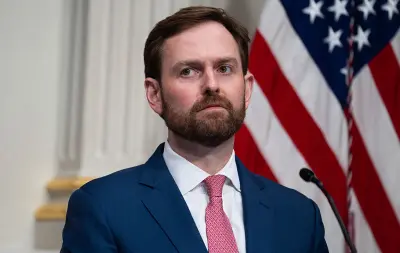
In 2016, Geoffrey Hinton — the Nobel-winning researcher often called the "godfather of AI" — made a bold prediction: computers would replace radiologists within five years. The physicians who read X-rays, ultrasounds, and other diagnostic images would find themselves obsolete, he argued.
Today, the field can respond with Mark Twain's famous quip: "The report of my death was an exaggeration." Radiology is not dying. It's growing. But Hinton's underlying insight wasn't entirely wrong — he just misread the outcome.
The Prediction That Missed the Mark
Hinton's 2016 claim captured headlines worldwide. He suggested that machine learning systems would soon outperform human radiologists at pattern recognition — the core skill of the profession. The logic seemed sound: AI excels at analyzing vast amounts of visual data quickly and consistently.
What Hinton underestimated was the complexity of the job. Reading images is only part of what radiologists do. They consult with other physicians, interpret findings in clinical context, perform procedures, and communicate directly with patients. These human elements proved harder to automate than the pattern recognition itself.
Why Radiology Is Growing, Not Shrinking
The numbers tell a story that contradicts Hinton's prediction. The number of radiologists is expected to expand by 26 percent or more over the next three decades. Demand for imaging services continues to rise as populations age and medical technology advances.
More scans mean more work — and more need for trained eyes to interpret them. AI hasn't eliminated this demand. If anything, it has highlighted how much diagnostic work remains.
The Silicon Colleague in the Reading Room
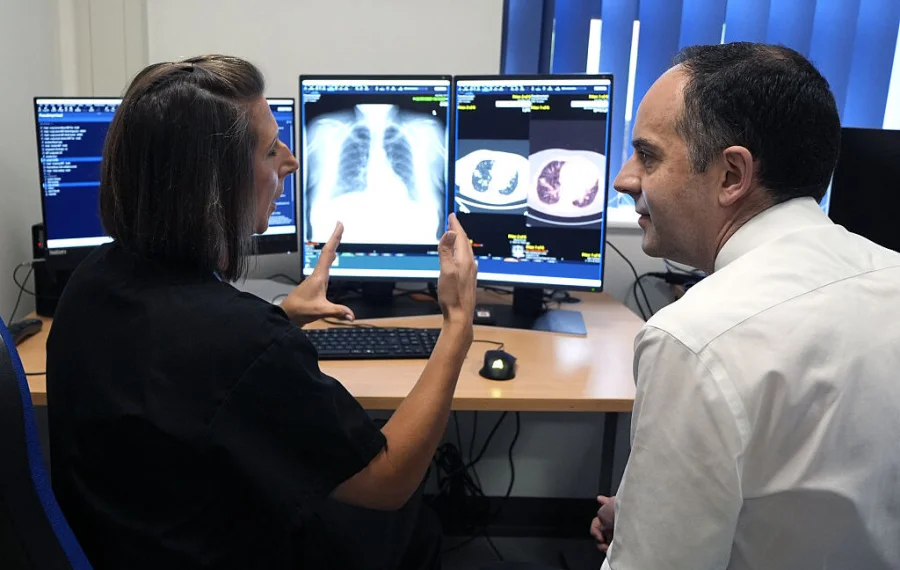
What Hinton got right was that AI would become a permanent presence in radiology. Today, radiologists work alongside AI systems that match or exceed human performance on specific tasks — detecting subtle fractures, flagging suspicious nodules, prioritizing urgent cases.
Radiology has become medicine's hot spot for AI adoption. The technology doesn't replace the radiologist; it changes what the radiologist does. Routine screening tasks increasingly fall to algorithms, freeing human experts for complex cases, procedure planning, and direct patient care.
How the Job Is Actually Changing
The radiologist of today spends less time on repetitive pattern recognition and more time on higher-level decision-making. AI handles the initial sweep of images, highlighting areas of concern. The radiologist then applies clinical judgment — considering patient history, symptoms, and context that algorithms still struggle to fully grasp.
This shift has practical implications. Workflows are faster. Backlogs shrink. Radiologists can focus their attention where it matters most. But it also demands new skills — understanding what AI can and cannot do, recognizing algorithmic bias, and knowing when to override machine suggestions.
What This Means for Patients
For patients, the AI-radiologist partnership offers tangible benefits. Faster turnaround times for results. Fewer missed findings on routine scans. More consistent interpretation across different hospitals and health systems.
The human element remains critical. A machine can flag an abnormality, but it takes a physician to explain what that means, to weigh treatment options, and to provide reassurance. That human connection is not something algorithms can replicate.
What Radiologists Say About Working With AI
Many radiologists describe the transition as less threatening than anticipated. Early fears of obsolescence have given way to a more pragmatic view: AI is a tool, not a replacement. The profession has embraced the technology while maintaining its central role in patient care.
Training programs now include AI literacy as a core competency. New radiologists enter the field expecting to work alongside algorithms. The question is no longer whether AI belongs in radiology — it's how to integrate it most effectively.
Confirmed Facts vs What Remains Unclear
Confirmed: Hinton made his 2016 prediction. Radiology ranks are growing, with projected expansion of 26 percent or more over three decades. AI is widely deployed in radiology and matches or exceeds human performance on certain tasks.
Unclear: The full long-term impact of AI on radiology employment remains uncertain. How quickly AI capabilities will expand into more complex diagnostic tasks is still an open question. The specific mix of skills future radiologists will need continues to evolve.
The Wider Pattern: AI and Professional Work
Radiology offers a case study for how AI transforms knowledge work more broadly. The pattern is consistent: AI doesn't eliminate professions — it reshapes them. Tasks get automated, roles evolve, and human judgment becomes more valuable, not less.
This pattern is playing out across medicine, law, finance, and journalism. The professions that thrive will be those that integrate AI while doubling down on uniquely human capabilities — judgment, empathy, ethics, and communication.
What Radiologists and Medical Students Should Do Now
For practicing radiologists, the priority is building AI fluency. Understand what algorithms can and cannot do. Learn to evaluate AI outputs critically. Develop skills that complement machine capabilities rather than compete with them.
For medical students considering radiology, the outlook remains strong. The field offers stability, intellectual challenge, and growing technological sophistication. The radiologist of the future will be part physician, part data scientist, part technology manager.
What Happens Next
The next decade will likely bring deeper AI integration into radiology. Algorithms will handle more complex interpretive tasks. Workflows will become increasingly automated. But the evidence so far suggests radiologists will remain central to the diagnostic process.
The profession is adapting — and growing. Hinton's prediction of replacement was wrong. His broader point about transformation was right. The radiologist's job is changing dramatically, but it is not disappearing.
Our Take
The Hinton episode offers a valuable lesson about AI predictions. The most dramatic forecasts — the ones that capture headlines — often miss the nuance of how technology actually integrates into professional work. AI doesn't arrive as a replacement; it arrives as a collaborator, changing workflows and shifting responsibilities.
Radiology's experience suggests a more optimistic future for knowledge workers. The professions that embrace AI as a tool, rather than fear it as a threat, will find their work enhanced rather than eliminated. The radiologist of tomorrow will do different work than the radiologist of yesterday — but they will still be essential.
Frequently Asked Questions
Will AI replace radiologists?
No. Current evidence shows radiology ranks are growing, with projected expansion of 26 percent or more over the next three decades. AI is being integrated as a tool that assists radiologists rather than replacing them.
What did Geoffrey Hinton predict about radiologists?
In 2016, Hinton predicted that computers would replace radiologists within five years. His prediction proved incorrect — the field has continued to grow — though he was right that AI would become a major presence in radiology.
How is AI changing radiology?
AI is automating routine pattern recognition tasks, flagging potential abnormalities, and prioritizing urgent cases. This allows radiologists to focus on complex cases, patient interaction, and higher-level clinical judgment.
Is radiology a good career choice given AI advances?
Yes. The field is growing, demand for imaging services is rising, and AI is creating new opportunities rather than eliminating jobs. Future radiologists will need AI literacy alongside traditional clinical skills.