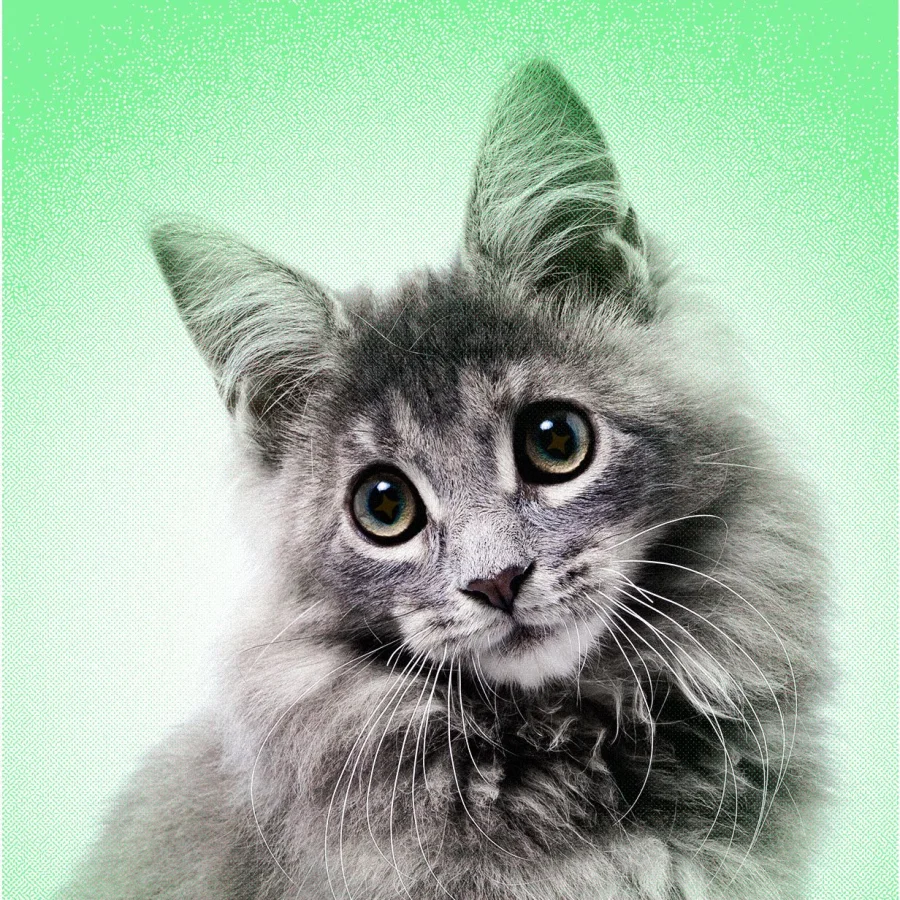
That adorable polar bear cub sliding on ice — real or generated? That rescue puppy with the soulful eyes melting your heart — genuine or fabricated? The line has blurred so completely that even animal experts are pausing before hitting "like."
The Cute Animal Economy Has a Fake Content Problem
Pet owners, rescue agencies, and wildlife groups are speaking out as AI-generated animal images flood social media feeds, according to the original report. What once was a simple scroll through cute animal content has become a minefield of synthetic visuals that mimic reality with unsettling accuracy.
From household cats to endangered species, AI tools can now produce photorealistic animals that fool casual viewers and sometimes even trained professionals. The emotional pull of cute animals makes this content particularly dangerous — people share without questioning.
Why Fake Animal Photos Matter Beyond the "Awww" Factor
This isn't just about internet aesthetics. Rescue organizations rely on authentic photos to find homes for real animals in need. When AI-generated pets dominate feeds, genuine rescue posts get buried — and real animals wait longer for adoption.
Wildlife groups face a separate crisis: fake images of endangered species can distort public understanding of conservation efforts. A viral AI image of a "rare" animal can spread misinformation faster than fact-checkers can respond.
How We Got Here: The Rise of Synthetic Cuteness
The problem has grown alongside generative AI tools that became widely accessible over the past few years. What started as obviously cartoonish renders has evolved into hyper-realistic imagery that requires close inspection to identify as fake.
Social media algorithms amplify engagement, and cute animals consistently generate high interaction rates. This creates a perverse incentive: AI slop producers flood platforms with synthetic cuteness because it performs well, pushing authentic content further down feeds.
The Real Victims: Animals and the People Who Love Them
For pet owners, the confusion is personal. People have reported seeing "their" pets in AI-generated posts — identical-looking animals that never existed. Others have fallen for fake rescue stories, sending donations to accounts using AI images of suffering animals.
Rescue agencies report increased skepticism from potential adopters who can't tell whether a posted animal is real. The trust that underpins animal welfare work is eroding, one synthetic puppy at a time.
What Animal Welfare Groups Are Demanding
Advocacy organizations are pushing for platform-level changes, according to the original story. Their demands include mandatory AI-content labeling, improved detection algorithms, and clearer community guidelines that distinguish between creative AI use and deceptive posting.
Some groups are also developing their own verification systems — watermarking authentic rescue photos and establishing trusted-source badges for verified animal accounts.
Why This Problem Won't Solve Itself
Detection technology is racing against generation technology, and generation is currently winning. As AI tools improve, the gap between real and fake will only narrow further without intervention.
Platforms face a choice: implement proactive safeguards now or deal with a complete erosion of trust in visual content later. The cute animal niche may seem trivial, but it's a testing ground for broader authenticity challenges across all content types.
What's Confirmed vs. What Remains Unclear
Confirmed: AI-generated animal images are widespread across social media. Pet owners, rescue agencies, and wildlife groups are publicly calling for new safeguards.
Unclear: The exact scale of AI slop in animal content remains unquantified. Whether platforms will implement mandatory labeling is uncertain. The effectiveness of proposed detection tools has not been independently verified.
Why This Matters for Every Internet User
If we can't trust what a cat looks like, what can we trust? The cute animal problem is a warning sign — a visible symptom of a larger authenticity crisis affecting news photos, product images, and even medical information.
Learning to spot AI slop in harmless contexts like animal photos builds the critical thinking skills needed for more consequential content. The stakes may start with puppies, but they don't end there.
How to Protect Yourself From AI Animal Slop
Look for visual inconsistencies: unusual fur patterns, distorted paws, or backgrounds that don't quite make sense. Check the account posting the content — established rescue organizations and verified pet accounts are more trustworthy than anonymous pages.
Reverse-image search suspicious photos before sharing or donating. If a post triggers an emotional response that feels manipulative, pause and verify before engaging.
What Happens Next in the Fight Against Fake Animal Content
The coming months will likely see increased pressure on major platforms to address AI-generated content across all categories. Animal welfare groups are coordinating their advocacy efforts, and some tech companies are exploring built-in AI detection features.
Legislation may also play a role, with some jurisdictions considering mandatory disclosure requirements for AI-generated content. The outcome will shape not just the cute animal internet, but the broader digital information ecosystem.
Our Take
The AI slop problem with cute animals is a deceptively serious issue. It's easy to dismiss as trivial — just fake cat pictures, right? But the underlying dynamics mirror what's happening across all visual media. If we accept a world where animal photos can't be trusted, we're accepting a world where nothing visual can be fully trusted.
The push from pet owners, rescue agencies, and wildlife groups represents a grassroots demand for authenticity that platforms ignore at their peril. This isn't just about protecting cute animals — it's about protecting the very concept of visual truth online.
Frequently Asked Questions
What is AI slop in the context of animal content?
AI slop refers to low-effort, mass-generated AI content — in this case, photorealistic animal images created by generative AI tools that flood social media feeds and are often indistinguishable from real photos.
How can I tell if an animal photo is AI-generated?
Look for subtle inconsistencies in fur texture, eye reflections, paw structure, and background details. Check the posting account's history and use reverse-image search tools. When in doubt, verify with established rescue or wildlife organizations.
Why are rescue agencies concerned about AI animal images?
Fake animal photos bury authentic rescue posts, reduce public trust in adoption listings, and can be used in scams that divert donations away from real animals in need.
What safeguards are being proposed for AI-generated animal content?
Animal welfare groups are calling for mandatory AI-content labels on platforms, improved detection algorithms, verified badges for legitimate rescue accounts, and clearer platform policies against deceptive AI posting.