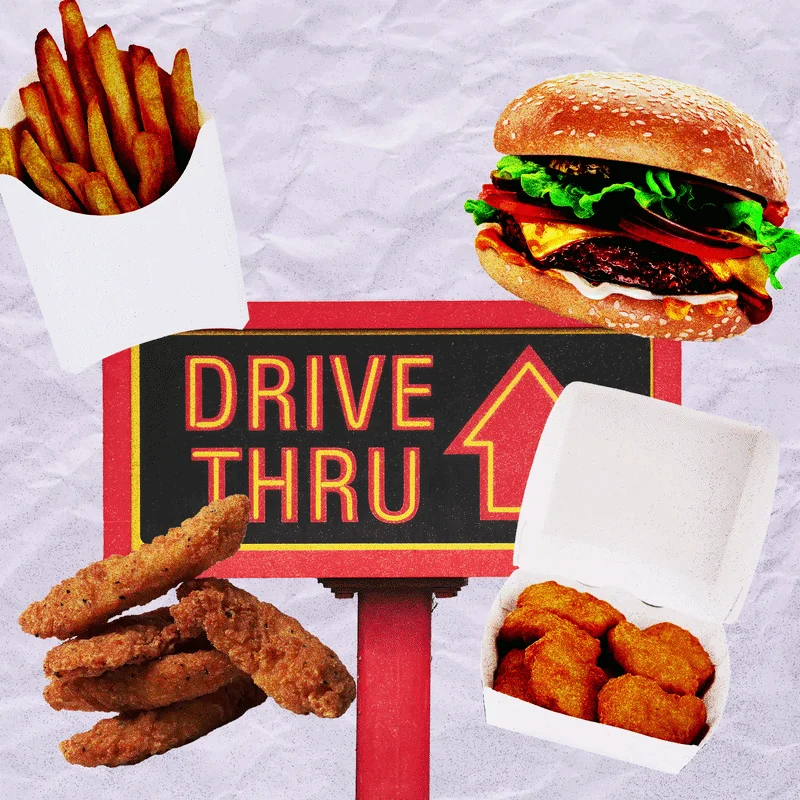
The same technology that learned to write software is now learning to take your order. And the shift is happening faster than most people realize.
AI has already reshaped the coding world—tools that once seemed futuristic are now standard practice. The next frontier is far more visible: the fast-food drive-thru. Voice AI systems are quietly replacing human order-takers at major chains across the United States, and the transition is nearly seamless.
How AI Quietly Moved Into the Drive-Thru Lane
The technology works through advanced speech recognition and natural language processing. It listens, interprets, and responds to customer orders in real time. What makes it remarkable is how unremarkable it feels.
Customers rarely notice they are talking to a machine. The system handles accents, mumbles, and even mid-order changes. It suggests add-ons, confirms items, and sends the order straight to the kitchen—all in seconds.
Why Fast-Food Chains Are Betting Big on Voice Bots
The economics are simple. Labor is one of the largest costs in fast food. AI removes that cost from the drive-thru equation while increasing speed and consistency.
Chains are also facing persistent staffing shortages. Younger workers are less interested in entry-level fast-food jobs, and turnover rates remain high. AI offers a solution that works 24/7, never calls in sick, and never quits.
The Timeline: From Coding to Combo Meals
The journey from AI conquering coding to AI taking burger orders is shorter than you might think. The same large language models that power coding assistants are being repurposed for conversational tasks.
What started as experimental voice trials a few years ago has matured into commercial deployment. The technology has improved dramatically, especially in handling noisy environments and varied speech patterns.
What This Means for the People Taking Your Order Today
For millions of workers, the drive-thru has been a first job, a second job, or a lifeline. The quiet arrival of AI threatens that reality.
Industry analysts point out that fast food has always been a high-turnover sector. But automation changes the equation entirely—it doesn't just reduce turnover, it eliminates the role altogether.
How Fast-Food Giants Are Framing the Change
Company statements emphasize efficiency and customer experience. They describe AI as a tool that helps staff focus on food preparation and in-store service rather than order-taking.
Executives have been careful not to frame the technology as a job killer. Instead, they position it as an evolution of the workplace—one where humans and machines coexist.
The Deeper Story: Why This Feels Different From Previous Automation
Past automation in fast food focused on the kitchen—fryers, drink dispensers, and assembly lines. This wave targets the customer interface itself.
That is a significant psychological shift. The drive-thru speaker is often the only human interaction a customer has during the entire meal. Removing it changes the nature of the experience, even if the change goes unnoticed.
What's Confirmed vs. What Remains Unclear
What is confirmed: AI voice systems are operational in hundreds of drive-thrus, and the technology is improving rapidly. What remains unclear: the full impact on employment numbers and whether customer satisfaction will hold over time.
Early data suggests mixed results. Some locations report faster service and higher upsell rates. Others see frustration when the system mishears an order or struggles with complex requests.
The Business Case: Why This Technology Wins Either Way
Even with occasional errors, the cost savings are substantial. One AI system can handle multiple drive-thru lanes simultaneously, something no human can do.
The technology also collects data on every interaction. Chains can analyze ordering patterns, test menu changes, and personalize recommendations—all from the same system that takes the order.
The Risks That Come With the Efficiency
Critics warn about job displacement in a sector that employs millions of entry-level workers. They also question what happens when the system fails—who takes responsibility for a wrong order or a frustrated customer?
There are also concerns about the loss of human touch. For many customers, a friendly voice at the drive-thru is part of the experience. Removing it could erode brand loyalty over time.
The Bigger Pattern: AI Moving From Screens to Real Life
This is not just about fast food. It is part of a broader trend where AI moves from digital tools to physical, customer-facing roles.
If AI can handle the chaos of a drive-thru—noisy cars, impatient customers, complex orders—it can handle many other service roles. The fast-food experiment is a proving ground for the future of work.
What Customers Should Know Right Now
If you have used a drive-thru recently, there is a chance you already talked to a bot without knowing it. The systems are designed to be indistinguishable from humans.
Pay attention to the voice on the other end. If it sounds a little too calm, a little too consistent, you may have just placed your order with artificial intelligence.
Where This Goes From Here
The next few years will determine how far this technology spreads. If customer acceptance holds and error rates stay low, AI drive-thrus will become the norm rather than the exception.
The bigger question is what happens to the workers. Some will move to other roles within the industry. Others will need to find new careers entirely. The transition will not be painless.
Our Take
The story of AI conquering coding was about capability. The story of AI in fast food is about consequence. It touches millions of workers, billions of transactions, and the everyday experience of ordinary people.
This is not a distant future scenario. It is happening now, quietly, at a drive-thru near you. The technology works, the economics make sense, and the rollout is accelerating. The only question left is how society adapts to a world where even the simplest human interaction can be automated.
Frequently Asked Questions
Is AI really taking fast food orders right now?
Yes. Several major fast-food chains in the United States have deployed AI voice systems at drive-thrus. The technology is operational and expanding, though many customers do not realize they are ordering from a machine.
How does drive-thru AI actually work?
The system uses speech recognition and natural language processing to understand customer orders. It confirms items, suggests add-ons, and sends the order to the kitchen automatically. It is designed to sound and behave like a human order-taker.
Will AI replace fast food workers completely?
Not immediately. AI is currently replacing the order-taking role, but humans are still needed for food preparation, in-store service, and management. However, the long-term trend points to fewer entry-level positions as automation expands.
Can customers tell they are talking to a bot?
Often not. The systems are designed to be indistinguishable from human workers. Many customers complete their entire order without realizing they interacted with artificial intelligence.