Uttar Pradesh Chief Minister Yogi Adityanath has set the administrative machinery in motion with two clear priorities: clear the backlog of revenue cases and keep the state on high alert during the upcoming festival season. The directives, issued during a recent review, signal a push for faster governance and tighter security in equal measure.
What the New Directives Mean for Revenue Cases
The Chief Minister has instructed officials to ensure the swift disposal of pending revenue cases. This move is aimed at reducing the long-pending grievances that often plague the revenue department, from land record disputes to mutation applications.
By fast-tracking these cases, the administration hopes to bring relief to citizens who have been waiting for resolutions, often for years. The directive also underscores the state government's focus on improving the efficiency of the revenue machinery at the district and tehsil levels.
Why a High Festival Alert Has Been Ordered
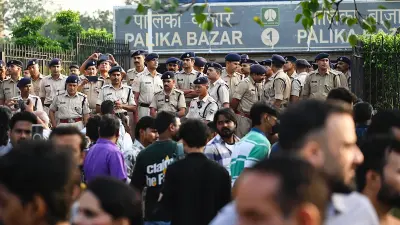
With the festive season approaching, the Chief Minister has ordered a high alert across the state. The instruction is a precautionary measure to ensure law and order remains stable during large public gatherings, fairs, and religious processions.
Authorities have been directed to ramp up security arrangements, maintain strict vigilance, and ensure that any potential disruptions are dealt with promptly. The alert is part of a broader strategy to ensure that celebrations proceed without any untoward incidents.
Background: The Administrative Push for Efficiency
This is not the first time the Yogi Adityanath government has pushed for faster disposal of revenue matters. Over the years, the state has introduced digital initiatives and camp-based drives to resolve land-related disputes at the grassroots level.
The latest directive builds on that momentum, reinforcing the message that timely justice in administrative matters is a key priority. The festival alert, meanwhile, follows a pattern of heightened security measures during major celebrations in the state.
How This Affects Common Citizens
For the common citizen, the revenue case directive could mean quicker resolution of property disputes, faster processing of land records, and less time spent running between government offices. It is a move that directly impacts everyday administrative experiences.
On the security front, the high alert means visible police presence in crowded areas, which can offer a sense of safety for families attending festive events. However, it may also lead to increased checks and temporary traffic diversions in some areas.
Official Response and Administrative Instructions
According to the original story, the directives were issued by the Chief Minister's office during a review meeting. Officials have been tasked with implementing the orders at the ground level and ensuring compliance.
District magistrates and senior police officers are expected to coordinate closely to balance the twin objectives of administrative efficiency and public safety. The state machinery is now in execution mode, with a clear timeline for action.
Analyzing the Timing of the Directives
The timing of these orders is significant. With festivals on the horizon, the administration is preparing for a period of high public activity. Simultaneously, clearing revenue cases before the festive break ensures that administrative work does not pile up during the holidays.
This dual approach reflects a governance style that prioritizes both proactive security and procedural efficiency. It also sends a signal to the bureaucracy that performance and preparedness are non-negotiable.
Confirmed Directives vs. What Remains Unclear
What is confirmed is that the Chief Minister has issued verbal directives for swift revenue case disposal and a high festival alert. The specific number of pending cases, the exact timeline for disposal, and the detailed security deployment plan have not been disclosed in the original story.
It is also unclear whether any new technology or special camps will be introduced to expedite the revenue process. These details are expected to emerge as district administrations begin reporting on their compliance.
Risks and Challenges in Implementation
While the directives are clear, implementation on the ground can face hurdles. Revenue cases often involve complex documentation and inter-departmental coordination, which can slow down the process despite official pressure.
Similarly, a high festival alert requires significant manpower and resources. Balancing security needs without causing inconvenience to the public will be a key challenge for local authorities.
A Pattern of Pre-Festival Preparedness
This directive follows a recognizable pattern in Uttar Pradesh, where the administration typically issues security and administrative guidelines ahead of major festivals. The approach is designed to preempt problems rather than react to them.
By combining administrative efficiency with security readiness, the state government is attempting to create a seamless experience for citizens during a period of high emotion and activity.
What Should Citizens and Officials Do Now
Citizens with pending revenue matters should track the progress of their cases through official channels and respond promptly to any notices from the tehsil or district offices. Those attending festive events should cooperate with security personnel and follow local guidelines.
Officials, on their part, are expected to prioritize case disposal and maintain visible security presence. The coming weeks will test the administrative machinery's ability to deliver on both fronts simultaneously.
Future Outlook: What Happens Next
In the coming days, district administrations are likely to submit compliance reports to the Chief Minister's office. The focus will be on measurable outcomes, such as the number of revenue cases resolved and the effectiveness of festival security arrangements.
If successful, this model of pre-festival administrative tightening could become a recurring feature of the state's governance calendar.
Our Take
This dual directive from Chief Minister Adityanath reflects a governance approach that treats administrative efficiency and public safety as two sides of the same coin. For citizens, the promise of faster revenue case resolution is a tangible benefit that could improve daily interactions with the state machinery.
The festival alert, while precautionary, underscores the importance of preparedness in a state with large-scale public celebrations. The real test will be in execution—whether the bureaucracy can translate these orders into visible, on-ground results.
Frequently Asked Questions
What did CM Adityanath order regarding revenue cases?
Chief Minister Yogi Adityanath directed officials to ensure the swift disposal of pending revenue cases to reduce administrative backlog and provide faster relief to citizens.
Why has a high festival alert been issued in Uttar Pradesh?
The high alert has been ordered as a precautionary security measure ahead of the upcoming festival season to ensure law and order during large public gatherings and processions.
How will the revenue case directive benefit common citizens?
Citizens with pending land disputes, mutation cases, or other revenue matters may see faster resolutions, reducing the time and effort spent on administrative processes.
What should the public expect during the festival period?
The public can expect increased police presence, security checks, and possibly traffic diversions in crowded areas as part of the heightened alert measures.